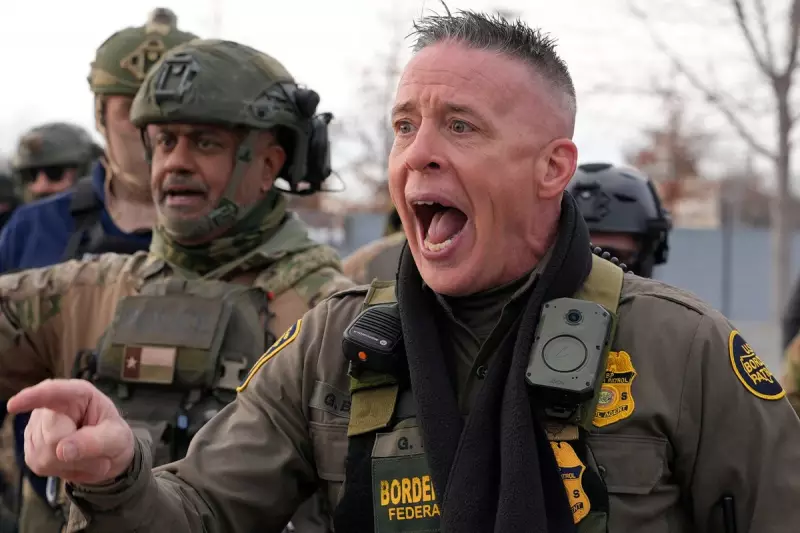
Years of Trump-era bravado have transformed civilian policing into ideological combat, and now the MAGA movement is discovering what happens when constitutional rights meet the consequences of escalation. The White House has denied that 'border czar' Tom Homan is being dispatched to Minnesota because Governor Kristi Noem has lost the president's trust, but the political fallout is undeniable.
A Political Project Built on Bravado
Approval of President Trump's immigration policies has fallen to a record low following recent events in Minneapolis. While tough rhetoric resonated with his base during rallies, the reality of federal agents operating with a militarised mindset has shocked many Americans. The administration's response has been to dismiss polling as fake and threaten criminal penalties for dissent, but Congressional Republicans facing November midterms are growing uneasy.
The Minneapolis Incident and Its Aftermath
Two civilians are dead after encounters with federal agents in Minnesota. One was allegedly brandishing an iPhone, the other driving slowly at approximately 2 mph. Gregory Bovino has been reassigned from his role as Border Patrol commander following the fatal shooting of ICU nurse Alex Pretti by CBP agents, but public anger is directed higher up the chain of command.

Calls are mounting from both Republicans and Democrats for Homeland Security Secretary Kristi Noem to resign over immigration enforcement in Minneapolis. The incident has exposed the dangerous consequences of treating domestic law enforcement like a culture war militia.
The Warrior Ethos Fantasy
At the centre of this crisis is a fantasy mainstreamed by the Trump administration: that American policing should operate on a "warrior ethos" akin to military combat. Defense Secretary Pete Hegseth, former Fox News host and current Trump confidant, has been among its most enthusiastic proponents.
From Rhetoric to Reality
Hegseth's vision portrays police as soldiers, cities as hostile territory, and noncompliance as justification for extreme force. This philosophy prioritises the aesthetics of courage—patches, language, implied heroism—over the unglamorous work of civilian policing: de-escalation, proportionality, and the recognition that not every situation requires force.
When agents are trained to expect violence and promised political cover for "tough" decisions, they tend to produce exactly the outcomes we've witnessed in Minnesota. The administration spent years mocking de-escalation as weakness while portraying cities as dystopian hellscapes, creating an enforcement culture that behaves exactly as advertised.
The Political Reckoning
Trump's movement now faces the rare spectacle of internal argument as the political project built on vibes, bravado, and permanent escalation collides with reality. The president continues to deflect responsibility, suggesting things would have gone better with even tougher measures, while simultaneously making noises about de-escalation.
Institutional Consequences
Accountability has never been part of the warrior ethos brand, but institutions don't forget as easily as voters. A federal law enforcement apparatus trained to valorise force doesn't suddenly rediscover restraint because of poor optics. A political movement that spent a decade cheering escalation cannot convincingly pretend it wanted calm all along.
The midterm elections now loom as a potential disaster for Republicans, with the entire political project threatening to explode into debris that could impact every GOP member in Congress. The warrior fantasy promised order, but finding out the consequences of this approach is proving far less appealing than the bumper sticker slogans suggested.
As the wheels come off the political project that surrounded itself with sycophants and embraced escalation, America is left to confront the messy reality of what happens when political rhetoric becomes operational policy. The lesson for autocrats throughout history remains relevant: eventually, reality intervenes.