Trump's Nobel Prize Ambition Shifts from Peace to War
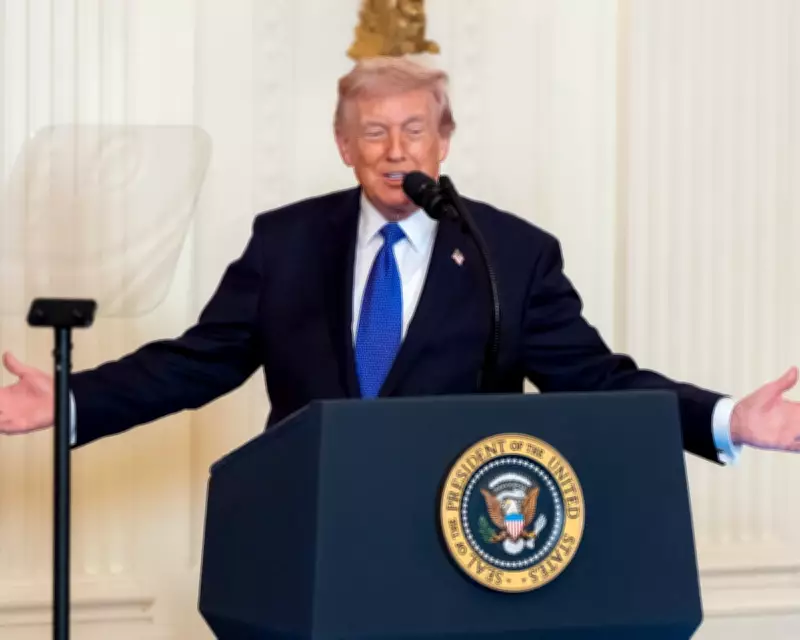
Following his failure to secure the Nobel Peace Prize, former US President Donald Trump has redirected his focus towards military engagements, notably authorising strikes on Iran. This pivot marks a stark departure from his earlier peace-oriented rhetoric, with critics suggesting his involvement in conflicts is fleeting and driven by personal whims rather than strategic planning.
Starmer's Dilemma in the Iran Conflict
Prime Minister Keir Starmer faces mounting pressure as he navigates the UK's response to the escalating tensions in the Middle East. Initially opting out of joint US-Israeli attacks, Starmer later permitted the use of British military bases for defensive operations against Iranian missile sites. This measured approach, intended to avoid past mistakes in Iraq and Afghanistan, has nonetheless drawn ire from both left-wing and right-wing MPs, who accuse him of weakness and betrayal.
Political Reactions and Internal Strife
Within the UK Parliament, figures like Kemi Badenoch have lambasted Starmer's decisions, alleging that his reluctance to engage more aggressively stems from political calculations rather than principled leadership. Meanwhile, veterans of previous conflicts, such as Diane Abbott and Edward Leigh, advocate for caution, highlighting the lessons from Iraq. The absence of Nigel Farage from debates has also sparked criticism, with his shifting stance on military interventions based on alliances rather than consistency.

As Trump's involvement in the Iran conflict appears transient, with predictions that he will abandon the issue once bored, the broader implications for regional stability remain uncertain. Starmer's attempt to balance international law with defensive needs underscores the complex challenges facing Western leaders in an increasingly volatile global landscape.