Fresh Health Scrutiny for Trump as Neck Rash Emerges During Ceremony
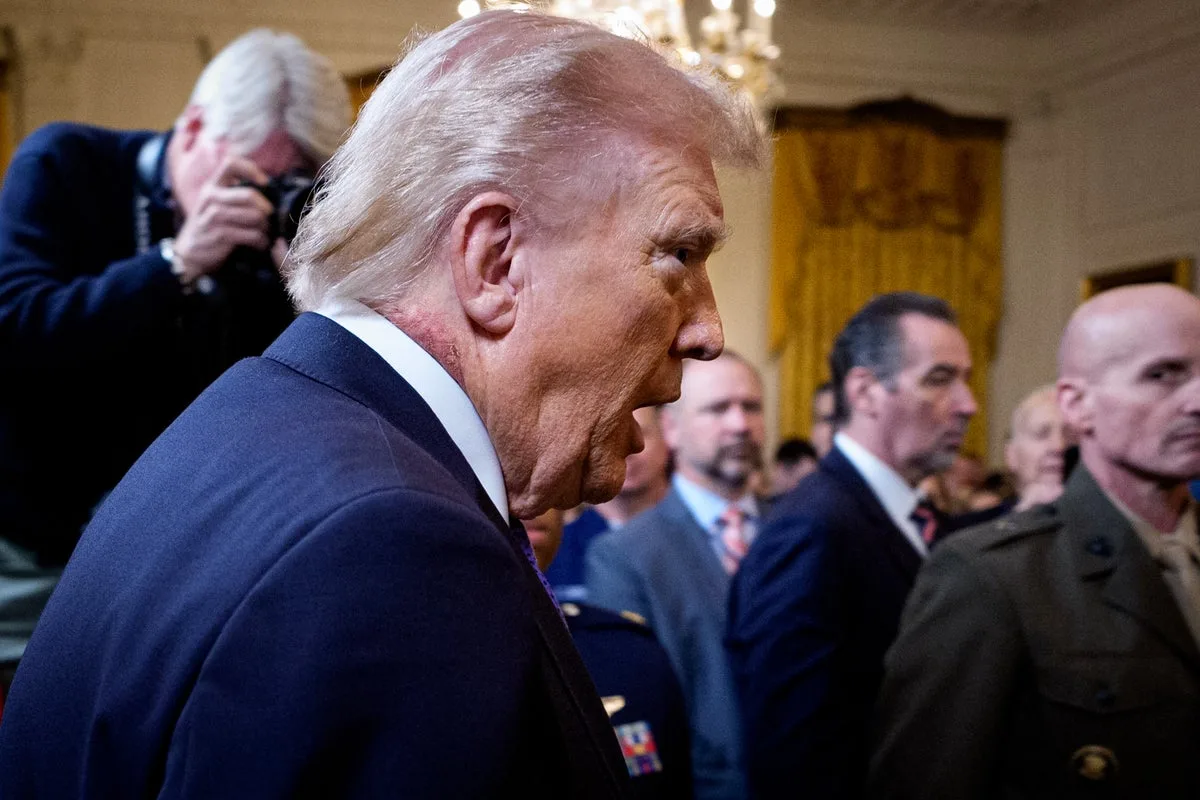
President Donald Trump has ignited renewed health speculation after being photographed with a conspicuous bright red rash on the side of his neck during a Medal of Freedom event at the White House. The apparent irritation, visible in images from Monday, showed what looked like large red patches and scabs extending from his ear to the back of his head, prompting immediate questions about the 79-year-old leader's well-being.
White House Offers Explanation for Skin Condition
In response to inquiries, White House physician Dr. Sean Barbabella issued a statement attributing the rash to a prescribed preventative skin treatment. "President Trump is using a very common cream on the right side of his neck, which is a preventative skin treatment, prescribed by the White House Doctor," Barbabella explained. He added that the redness is expected to persist for several weeks as part of the one-week treatment regimen, though he did not disclose the specific reason for the prescription or the cream's identity.
History of Physical Health Concerns Under Scrutiny
This latest incident compounds ongoing scrutiny over Trump's physical health, which has been a topic of discussion since he became the oldest president to take office at 78. During the same ceremony, Trump also displayed a bruise on his right hand, typically concealed with a thick layer of makeup. Previous concerns have included:
- Bruised hands, which White House officials initially blamed on frequent handshaking but Trump later attributed to taking a higher-than-recommended dose of aspirin for blood thinning.
- Swollen ankles, diagnosed last July as chronic venous insufficiency, a common condition affecting blood flow in the legs.
- Mental acuity questions, fueled by instances where Trump has been filmed with his eyes closed during meetings, though he insists he is merely relaxing or blinking.
Trump has openly discussed his health habits, telling The Wall Street Journal in January that he takes 325 milligrams of aspirin daily for cardiac prevention, significantly above the standard low dose of 81 milligrams. "I'm a little superstitious," he remarked. "They say aspirin is good for thinning out the blood, and I don't want thick blood pouring through my heart. I want nice, thin blood pouring through my heart."
Cognitive Health and Public Perception
Amid his second term, Trump's cognitive health has also faced examination. Videos showing him with closed eyes during Cabinet and Oval Office sessions have sparked debate, though the president maintains he is not sleeping. "I've never been a big sleeper," he stated, clarifying that he closes his eyes to unwind and that photos sometimes capture him mid-blink. These episodes, combined with the physical symptoms, have led to heightened public and media attention on his overall fitness for office.
The neck rash, while explained by the White House as a benign side effect of treatment, adds to a growing list of health-related incidents that keep Trump's condition in the spotlight. As the president continues his tenure, these factors contribute to an ongoing dialogue about age, health, and leadership in the highest office.