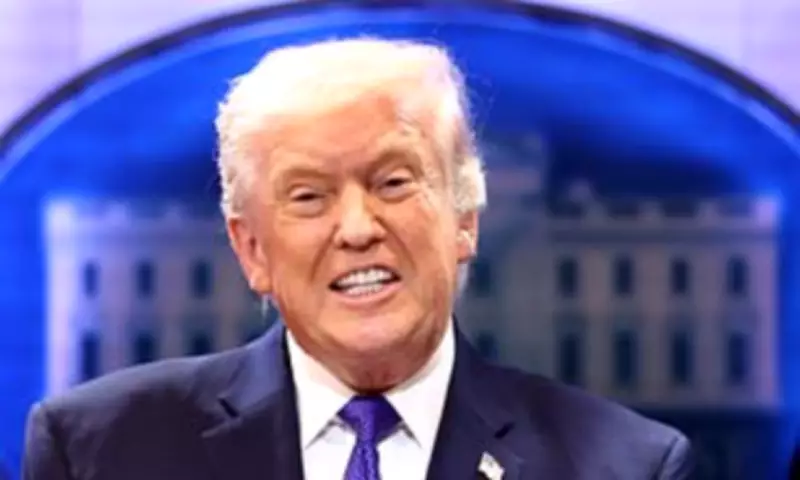
In a fiery and unexpected press briefing on Friday, former President Donald Trump launched a scathing attack on the conservative-majority Supreme Court after it struck down the bulk of his controversial tariff policies. The emergency statement, delivered shortly after the ruling was announced, saw Trump label the highest court in the United States a "disgrace to our nation" and express profound disappointment in its decision.
A Stinging Rebuke from the Former President
"The Supreme Court's ruling on tariffs is deeply disappointing and I'm ashamed of certain members of the Court. Absolutely ashamed for not having the courage to do what's right for our country," Trump declared, his frustration palpable. The ruling, which centered on the legal authority for Trump's widespread tariff agenda, represents a significant judicial setback for the former president's economic legacy.
Conservative Justices Break Ranks
Despite the Court's 6-3 conservative lean, the decision saw unexpected divisions. Justices Neil Gorsuch and Amy Coney Barrett, both Trump appointees, ruled against the former president, aligning with the liberal wing. Justice Brett Kavanaugh, another Trump appointee, penned the dissenting opinion, joined by conservative Justices Samuel Alito and Clarence Thomas.

Chief Justice John Roberts, appointed by Republican President George W. Bush, authored the majority opinion. He argued that if Congress had intended to grant the president the "distinct and extraordinary power to impose tariffs, it would have done so expressly - as it consistently has in other tariff statutes." Roberts emphasized that the president must "point to clear congressional authorization" to justify such actions, concluding "He cannot."
Financial Stakes and Market Reaction
The ruling carries substantial financial implications, with an estimated $175 billion in tariff revenue now in jeopardy according to the Penn-Wharton Budget Model. In stark contrast to Trump's outrage, Wall Street responded positively to the news, with stock markets experiencing a notable spike following the announcement.
Trump had previously warned of dire consequences if the Court ruled against him. "If we don't win that case, we will be a weakened, troubled financial mess for many, many years to come," he stated in October, even suggesting he might attend oral arguments at the Court—a move critics argued could raise constitutional questions about separation of powers.
Trump's Tariff Agenda and Legal Justification
The former president had utilized the International Emergency Economic Powers Act of 1977 as legal footing for his tariff policies, claiming national emergency due to trade deficits and security threats. His tariff measures included actions against Mexico, Canada, and China over fentanyl concerns, and threats against India regarding Russian oil purchases.
On April 2, Trump celebrated what he termed "Liberation Day," announcing reciprocal tariffs globally—even extending to uninhabited islands. He consistently argued these policies would enrich the nation, boasting they would ensure the US "takes in more money."
Political Pathways and Future Battles
While the Court's decision closed one avenue, it suggested alternatives. Kavanaugh's dissent noted Trump could potentially use different statutes to pursue his tariff agenda, and the ruling indicated the administration could seek congressional authorization. With Republicans currently holding majorities in both the House and Senate, legislative action remains theoretically possible, though likely requiring negotiation with Senate Democrats.
The ruling did not address the complex issue of tariff refunds, leaving that battle to play out in lower courts. This unresolved matter ensures continued legal and financial uncertainty surrounding the tariff policies.
Immediate Reaction and Context
Trump was meeting with members of the National Governors Association when the ruling was announced. According to reports, he immediately reacted with anger, calling the decision a "disgrace" after having already dismissed members of the press from the gathering.

In his Friday remarks, Trump remained defiant, insisting "We have alternatives. Great alternatives – could be more money, we'll take in more money, and we'll be a lot stronger for it." This promise of "powerful alternatives" suggests the former president intends to continue pursuing his economic protectionist agenda through other means, setting the stage for ongoing political and legal confrontations.