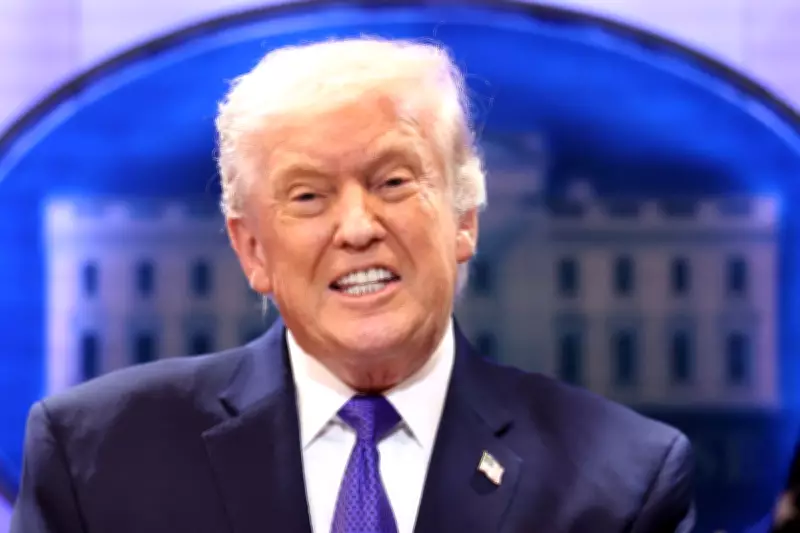
In a dramatic and hastily arranged press conference from the White House briefing room on Friday, February 20, 2026, a visibly angry Donald Trump unleashed a torrent of criticism against the United States Supreme Court. The outburst came just hours after the court delivered a 6-3 ruling that rejected his claim to unprecedented emergency tariff powers, a decision he labeled "deeply disappointing" and a "disgrace to the nation."
Trump's Fiery Condemnation of Justices
Speaking with palpable defiance, Trump directed his ire not only at the court as an institution but specifically at the three conservative justices he had appointed: Chief Justice John Roberts, Justice Neil Gorsuch, and Justice Amy Coney Barrett. He accused them of being "disloyal" and beholden to "foreign interests," employing the derogatory acronym RINO—"Republicans In Name Only"—to describe them.
"They're just being fools and lap dogs for the RINOs and the radical left Democrats ... they're very unpatriotic and disloyal to our Constitution," Trump declared, his voice thick with contempt. He suggested that the justices had been "swayed by foreign interests and a political movement that is far smaller than people would ever think," and even opined that they were "afraid" to rule in his favor, claiming they "don't want to do the right thing."

Immediate Policy Response
Undeterred by the judicial setback, Trump announced that he would immediately invoke a different statutory authority to impose a 10 percent import tax. This alternative measure is set to remain in effect for the next 150 days, ensuring that the core of his tariff-based domestic and foreign policy agenda continues unabated. The move underscores his determination to force Americans to pay these import taxes, which he views as central to his economic strategy.
The ruling itself, delivered by a majority including the three Trump-appointed justices, represents a significant check on executive power. It specifically struck down Trump's assertion of emergency authority to unilaterally impose tariffs, a power he had claimed was essential for national security and economic stability. The decision has sparked intense debate about the limits of presidential authority and the role of the judiciary in curbing executive overreach.
Broader Political Implications
Trump's scathing attack on his own Supreme Court picks marks a notable escalation in his long-standing feud with the judiciary. By labeling them "unpatriotic" and questioning their loyalty, he has further polarized an already divided political landscape. This incident raises profound questions about the independence of the judiciary and the pressures faced by justices appointed by sitting presidents.
Observers note that Trump's rhetoric, accusing the justices of being influenced by foreign entities, could undermine public confidence in the Supreme Court's impartiality. Meanwhile, his swift pivot to alternative legal mechanisms demonstrates a relentless focus on implementing his policy goals, regardless of judicial obstacles. The 150-day tariff imposition is likely to face further legal challenges, setting the stage for continued constitutional battles.
As the situation develops, the fallout from this ruling and Trump's reaction will undoubtedly influence ongoing discussions about trade policy, executive power, and the delicate balance between the branches of government in the United States.