Radio Host Slams 'Out of Control' Tipping Culture in Viral Video
Radio Host Slams 'Out of Control' Tipping Culture

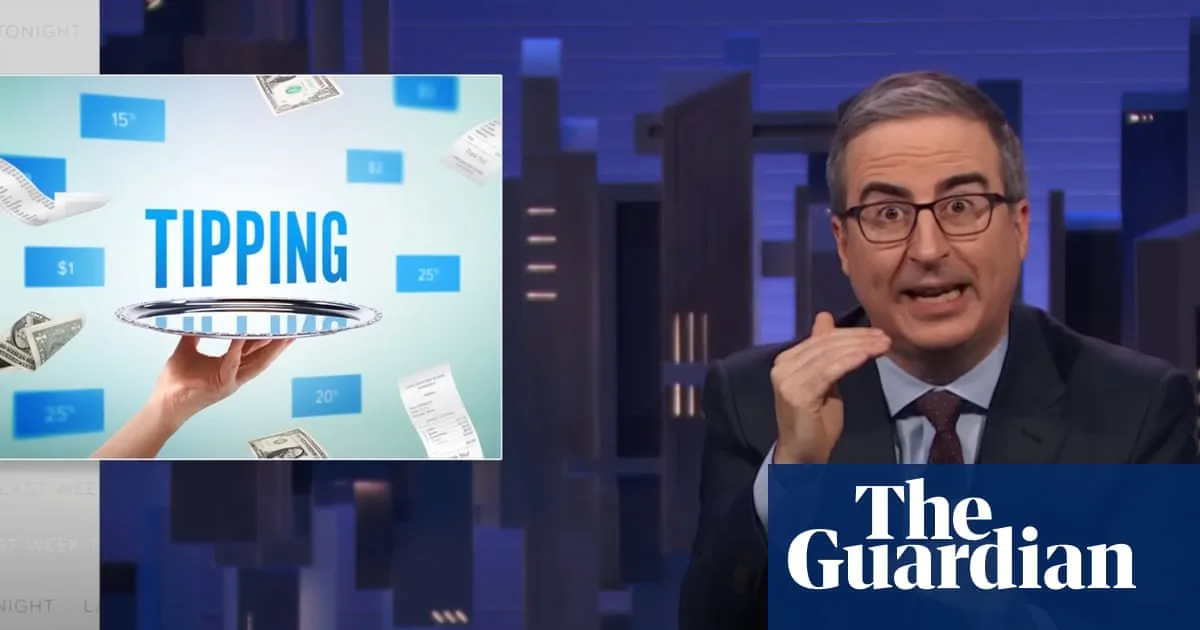
The debate over tipping continues to intensify, and a prominent radio host has added fuel to the fire with his candid remarks on what he describes as an 'out of control' practice. In a widely circulated monologue, David Pakman argues that tipping has extended far beyond traditional restaurant settings and is now embedded in nearly every type of transaction—from coffee shops and ride-shares to self-checkout kiosks and retail stores.

Expanding Expectations

'I'm told Botox injectors expect tips… everybody,' Pakman says, highlighting the breadth of the phenomenon. He also emphasizes that suggested tip amounts have steadily increased over the past 10 to 15 years, with some establishments now prompting for tips of 25 percent or even 30 percent. While he claims he always tips, the talk show host contends that expectations have become excessive, particularly in settings like coffee shops where customers order at a counter and receive minimal service.

'The issue is the system is broken and it is disgusting,' Pakman states, describing what he sees as a distorted tipping culture in the United States. His YouTube video quickly amassed more than 700,000 views, with viewers weighing in heavily on both sides of the debate.

Wide Pickt banner — collaborative shopping lists app for Telegram, phone mockup with grocery list

Viewer Reactions

Many agreed with his assessment. One viewer wrote: 'I agree with you wholeheartedly. Here in a suburb of Chicago, I can go into a bakery, request my items, and then on the payment screen they are asking for a tip. I didn't sit down, I just asked for a couple sweet rolls, and they want a tip. It makes no sense whatsoever.'

Echoing similar sentiments, another commented: 'Tipping is completely out of control and got worse with the introduction of the tablets with those ridiculous tip options. Prices in the US are already higher than Europe, where employees are paid a salary… so who is really making the profit? A 20–25 percent expected tip is outrageous.'

Absurd Examples

Some viewers shared personal experiences that they felt highlighted how widespread tipping prompts have become. One wrote: 'The most absurd example I saw was at a ski resort cafeteria. You walked in and grabbed your food from warming shelves, grabbed your drink and whatever else, then you placed it on this tray with a camera. The camera detected what you had, showed you on a screen and you paid right there with no human interaction - THEN IT ASKED FOR A TIP!!!! Not a single human helped me, that tip should go to... Me for the service I gave myself!! What a scam!'

Others pointed to experiences in everyday service situations. One viewer said: 'I got a flat tire and the roadside assistance worker fixed it, then asked for a tip twice. I reported it and the company said they are not supposed to ask for tips at all.'

International Perspectives

Some viewers noted similar trends appearing outside the US. A commenter from Puerto Rico wrote that tipping was 'getting out of control,' recalling being prompted for a tip after simply being handed a beer at a bar. Another viewer in Canada said: 'This is the same as what is happening in Vancouver where I live. It's out of control.'

However, many international commenters noted that tipping culture is far less common in their countries. One viewer from South Korea said it is 'insulting' to tip there, while a commenter from Denmark noted that tipping was effectively abolished by law in 1969 and has since been built into the price and bill.

Pakman's Conclusion

Pakman concluded his video by stressing that he still tips, but believes the broader system is flawed. 'I'm not saying I don't tip. I do tip,' he says. 'But we have created a system where customers feel pressured, workers feel dependent, businesses avoid responsibility, and we pretend it's normal.' He also argues that the system does not necessarily improve service, since tipping has become expected rather than earned—potentially reducing the incentive for better performance.

Pickt after-article banner — collaborative shopping lists app with family illustration