President Donald Trump has privately consulted with cabinet officials in recent weeks regarding the potential replacement of his Director of National Intelligence, Tulsi Gabbard. This development follows Trump's expressed frustration over Gabbard's testimony before Congress, where she appeared to shield a former deputy who undermined the administration's rationale for military action against Iran.
Growing Pressure on Intelligence Chief
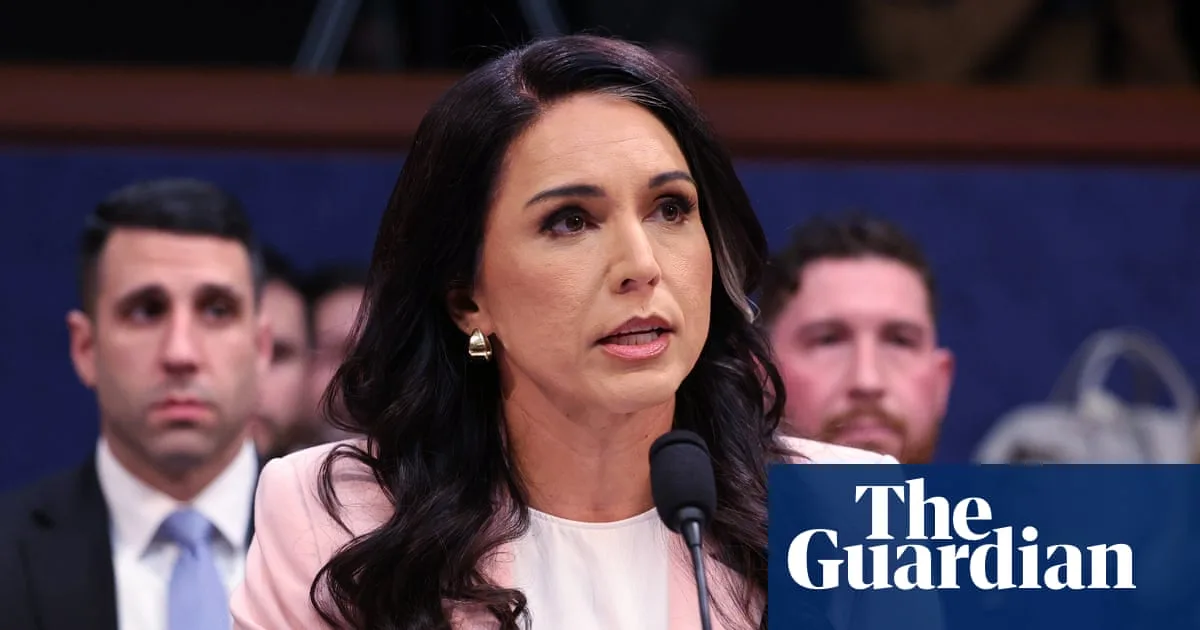
According to two sources familiar with the private discussions who spoke on condition of anonymity, Trump has been venting his displeasure with Gabbard's handling of the Iran situation. The president specifically objected to her testimony at the worldwide threats hearing last month, where she declined to condemn former deputy Joe Kent, who had recently resigned after arguing that Iran did not present an imminent threat to the United States.
Trump's frustration reportedly centers on Gabbard's apparent defense of Kent and what he perceives as her reluctance to support the administration's position regarding potential military action against Iran. This marks a significant development in their relationship, as Trump typically polls his advisers when seriously considering personnel changes.
Mixed Signals from the White House
When questioned about his confidence in Gabbard's leadership during a recent Air Force One briefing, Trump offered a qualified endorsement. "Yeah, sure," the president told reporters. "I mean, she's a little bit different in her thought process than me, but that doesn't make somebody not available to serve."
White House spokesperson Steven Cheung subsequently issued a statement defending Gabbard's tenure. "As President Trump just said in his remarks, he has confidence in Director Gabbard and the tireless work she is doing," Cheung stated. "He has assembled the most talented and impactful cabinet ever, and they have collectively delivered historic victories on behalf of the American people."
Pattern of Tensions and Transgressions
Current and former administration officials indicate that Gabbard has accumulated several perceived transgressions during her tenure. As early as June of last year, Trump became irritated by a video Gabbard recorded following a visit to Hiroshima, in which she warned about the horrors of nuclear war. The president felt the video would unnecessarily frighten people and objected to her graphic language.
Weeks later, Trump publicly contradicted Gabbard after she testified to lawmakers that Iran had not decided to build a nuclear bomb. "She's wrong," Trump told reporters before authorizing strikes on Iran's nuclear enrichment facilities at Fordow, Isfahan, and Natanz.

Another point of contention emerged when Gabbard revoked security clearances for 37 individuals, including congressional aides, without first consulting the White House. This action prompted accusations from Gabbard's allies that the CIA was attempting to manufacture a pretext for her removal, though the White House eventually mediated a truce.
Administration Dynamics and Challenges
There is a general recognition within the administration that Gabbard often faces thankless tasks and has struggled at times to define her role as Director of National Intelligence. This position traditionally involves overseeing competing factions within US intelligence agencies, presenting inherent challenges for any officeholder.
Gabbard's controversial testimony that frustrated Trump actually aligned with her longstanding criticism of US entanglement in foreign wars. Her remarks had been carefully prepared in consultation with the CIA prior to the hearings, according to a person familiar with the matter. The same source noted that Gabbard has been spending nearly every day at the White House supporting the administration's position on Iran.
Despite current tensions, Gabbard has previously won favor with Trump for producing an official report asserting that Russia did not seek to boost Trump's 2016 campaign at Hillary Clinton's expense—a conclusion that contradicted congressional investigations at the time.
Personnel Strategy and Political Considerations
During his second term, Trump has generally avoided outright dismissals, preferring instead to reassign officials he considers potential liabilities to other roles. Most recently, he demoted Kristi Noem from Homeland Security Secretary to a lesser position as an envoy within the State Department.
It remains uncertain whether Trump will actually fire Gabbard over the current controversy. Administration insiders note there is currently no standout candidate to assume the intelligence director position, and advisers have cautioned that creating a high-profile vacancy without a ready successor could cause unhelpful political distractions.
Olivia Coleman, a spokesperson for Gabbard, emphasized the director's commitment in a recent statement. "Over the past two weeks, President Trump said both that he has confidence in the DNI and that she did well at her hearings before Congress. She remains committed to fulfilling the responsibilities the president placed in her," Coleman stated.
The situation continues to evolve as the administration balances personnel decisions with broader political considerations and national security priorities.