

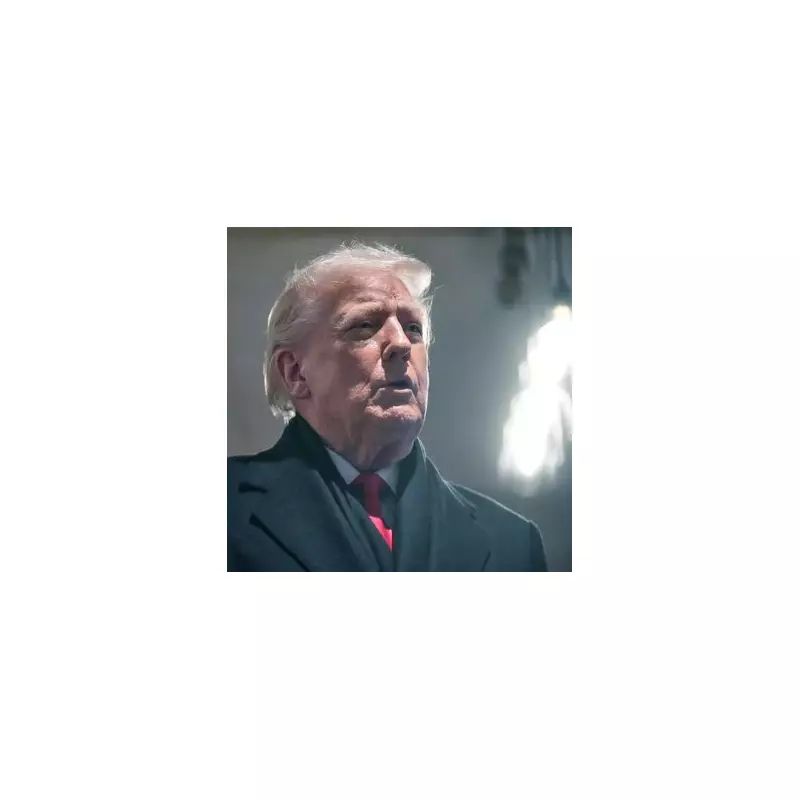
In a stark demonstration of his unwavering approach, former President Donald Trump has emphatically dismissed any notion of de-escalation following the public outcry over the killing of Alex Pretti. Over the past twenty-four hours, Trump has unleashed a series of provocative statements and actions that have further inflamed tensions, rather than seeking to calm the situation.
A Defiant Stance Amid Growing Fury
Speculation earlier this week suggested Trump might be entering a more conciliatory phase, potentially influenced by widespread protests, vocal hecklers, and historically low approval ratings. However, this optimism has proven to be entirely misplaced. There is no tangible evidence to support the idea that Trump is moderating his shock tactics or recalibrating his strategy for his second term in office.
Instead of using a two-hour meeting with advisors Stephen Miller and Kristi Noem after the Pretti shooting to reformulate policy, the focus shifted to identifying a scapegoat. Greg Bovino, the former head of Customs and Border Protection, was swiftly reassigned, a move interpreted as an attempt to deflect blame rather than address systemic issues.

Threats and Blame: A Pattern of Escalation
Trump's recent activities underscore his combative posture. He has issued stark warnings to Iran via social media, boasting about a "massive armada" dispatched to the region and threatening severe consequences if negotiations fail. Domestically, he accused Minneapolis Mayor Jacob Frey of "playing with fire" for refusing to enforce federal immigration laws, directly contradicting earlier claims of productive dialogue.
Most controversially, Trump attributed responsibility for Alex Pretti's death to Pretti himself, suggesting the victim should not have been carrying a firearm. This remark stands in stark contrast to Trump's longstanding support for gun rights and previous defenses of individuals like Kyle Rittenhouse, who faced homicide charges after shooting protesters.
Trump further displayed a troubling hierarchy of empathy, stating he felt "even worse" about the killing of Renee Good because her parents were "big Trump fans." This admission implies a preferential concern for supporters, raising ethical questions about impartial leadership.
Constitutional Concerns and Political Violence
The administration's actions have sparked serious debates about constitutional adherence. Critics argue Trump has undermined several amendments, including the First Amendment through threats against media and protesters, the Fourth Amendment via alleged unlawful ICE detentions, and the Tenth Amendment concerning states' rights amid a significant federal presence in Minnesota.
Political violence has also escalated. Congresswoman Ilhan Omar, a frequent target of Trump's racially charged rhetoric, was assaulted by a MAGA supporter who sprayed an unknown substance at her during a town hall event. Just hours prior, Trump had mocked Omar in a speech, perpetuating harmful stereotypes. The attacker was swiftly arrested, but the incident highlights the dangerous consequences of inflammatory language.
ICE's Expanding Role and Misinformation
Immigration and Customs Enforcement (ICE) continues to operate under intense scrutiny. Agents attempted to enter Ecuador's consulate in Minneapolis without jurisdiction, prompting a formal protest. Meanwhile, ICE is slated to provide security at the Winter Olympics in Italy, a role typically reserved for the Secret Service, fueling concerns about the agency's evolving and potentially politicised function.
Misinformation has further complicated the narrative. Deputy White House Chief of Staff Stephen Miller was implicated in crafting the false claim that Pretti intended to "massacre" police officers, a narrative quickly disseminated by officials. Despite Bovino's reassignment, Miller remains in his position, and the original tweet remains online, indicating little substantive change.

Digital Influence and Social Media Manipulation
Trump's influence extends into the digital realm. His administration's takeover of TikTok, transferring control to associates, has led to reports of content suppression related to ICE raids, though the platform attributes this to technical issues. Additionally, the Department of Homeland Security faced criticism for using a phrase associated with white supremacist songs in social media posts, initially denying the connection before deleting the content.
As these events unfold, it is clear that Trump's strategy involves confrontation rather than conciliation. The blame directed at Alex Pretti, combined with threats against foreign nations and political opponents, signals a continued embrace of divisive tactics. With ICE operations expanding and constitutional challenges mounting, the administration shows no signs of backing down, ensuring ongoing controversy and public debate.





