Trump Administration's Nazi Problem: A Disturbing Normalisation of Extremism
Trump Administration's Nazi Problem: A Disturbing Trend

Eighty years after the death of Adolf Hitler and the defeat of Nazi Germany, a troubling pattern has emerged within the United States government under the Trump administration. Critics argue that there is a growing Nazi problem, marked by rhetoric, imagery, and staffing decisions that echo fascist ideologies from the past.

Social Media and Nazi Imagery

Recent investigations by major news outlets, including CNN, NBC News, and PBS NewsHour, have uncovered evidence of official government accounts posting Nazi-inspired content. For instance, the Department of Homeland Security (DHS) shared an ICE recruitment poster with a caption referencing "Which way, American man?"—a phrase reminiscent of a racist 1978 tract by neo-Nazi ideologue William Gayley Simpson.

Similarly, the White House Twitter account posted a cartoon with the caption "Which way, Greenland man?" while the Department of Labor used slogans like "One Homeland. One People. One Heritage," which closely mirrors the Nazi motto "Ein Volk, ein Reich, ein Führer." Another tweet declared "America is for Americans," echoing the notorious Nazi phrase "Deutschland den Deutschen."

Wide Pickt banner — collaborative shopping lists app for Telegram, phone mockup with grocery list

Rhetoric Beyond Memes

The issue extends beyond online posts. DHS Secretary Kristi Noem recently stood behind a podium bearing the phrase "One of ours, all of yours," which Holocaust historian Page Herrlinger links to Nazi practices of collective punishment. Additionally, White House deputy chief of staff Stephen Miller delivered a speech at a memorial service that drew comparisons to Nazi propaganda minister Joseph Goebbels's 1932 address, "The Storm is Coming." Even fact-checking site Snopes noted similarities between Miller's rhetoric and fascist language.

Staffing Concerns and Nazi Sympathies

Allegations of Nazi sympathies have surfaced among Trump administration officials. In February 2025, it was revealed that ICE prosecutor James Rodden operated a social media account praising Hitler and declaring America a "white nation." Despite being temporarily removed from his post, Rodden appears to have returned to work, with no comment offered when contacted by reporters.

Paul Ingrassia, former White House liaison to the DHS and now acting general counsel at the General Services Administration, allegedly admitted in a group chat to having a "Nazi streak." He was also spotted at a rally headlined by Holocaust denier Nick Fuentes. In a statement, his attorney suggested the texts might be manipulated or taken out of context, framing them as satirical humor.

Ed Martin, the pardon attorney at the Trump Department of Justice, has been linked to Timothy Hale-Cusanelli, a January 6 rioter described by federal prosecutors as a "Nazi sympathizer" who wore a "Hitler mustache." Martin has since distanced himself from Hale-Cusanelli and condemned his views after scrutiny.

Leadership and Historical Parallels

The rot, as critics argue, starts at the top with Donald Trump himself. His vice-president once suggested he might be "America's Hitler," though he later retracted the statement. Trump's first wife claimed he kept a book of Hitler's speeches by his bed, which Trump attributed to a gift from a friend. The former president has used language reminiscent of Mein Kampf, labelling opponents as "vermin" and accusing immigrants of "poisoning the blood" of the nation.

In 2022, Trump hosted Ye, a Hitler admirer, and Fuentes for dinner at Mar-a-Lago. While he has reportedly distanced himself from Fuentes, he has not outright condemned him. During his first term, Trump's former chief of staff alleged that the president spoke admiringly of Hitler, claiming he did "some good things." Trump has denied these associations in lawsuits, which were later dismissed.

Normalisation and Lack of Contrition

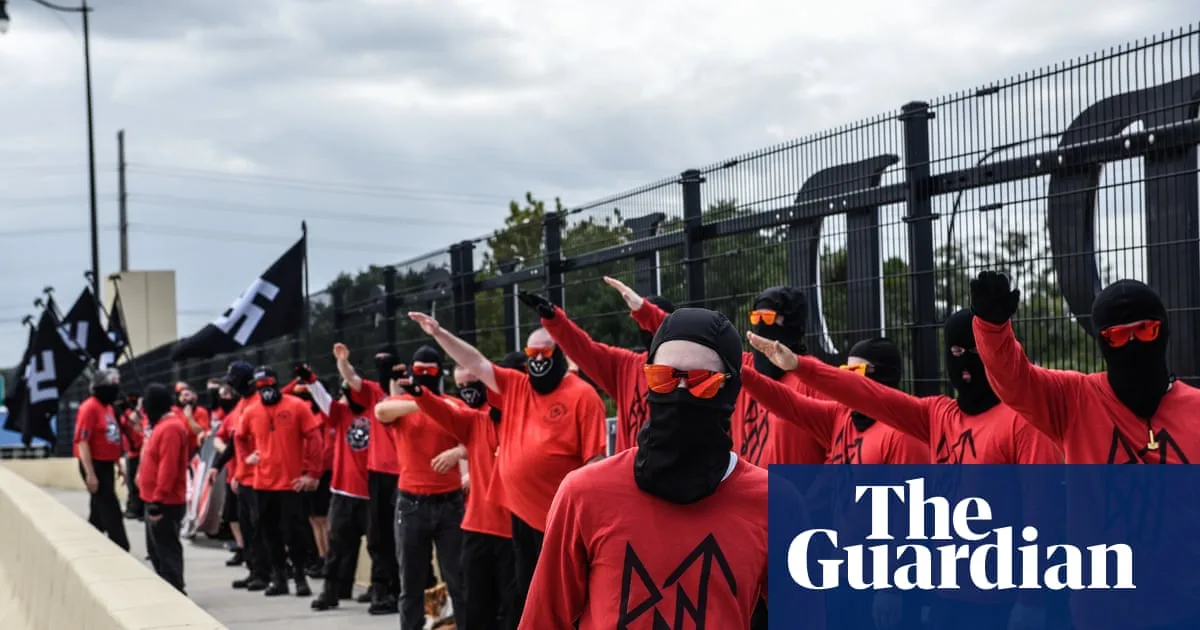
This is not about labelling political opponents as Nazis, as Trump administration spokespersons often claim. Instead, it highlights a deliberate effort to normalise extremist elements. Dalton Henry Stout, founder of the neo-Nazi Aryan Freedom Network, stated that Trump has "awakened a lot of people" to their issues and called him "the best thing that's happened to us," even declaring "Our side won the election."

Pickt after-article banner — collaborative shopping lists app with family illustration

There is little denial or shame from the administration today, contrasting with past attempts to downplay such connections. The United States government under Trump appears to have made a calculated decision to embolden Nazi-glorifying elements within the party, amplifying their messaging and hiring practices.

As the world marks eight decades since the fall of Nazi Germany, the question remains: how can society tolerate this normalisation of hate, and what does it mean for the future of American democracy?




