Starmer's Diplomatic Gamble with Trump Faces Domestic Political Headwinds
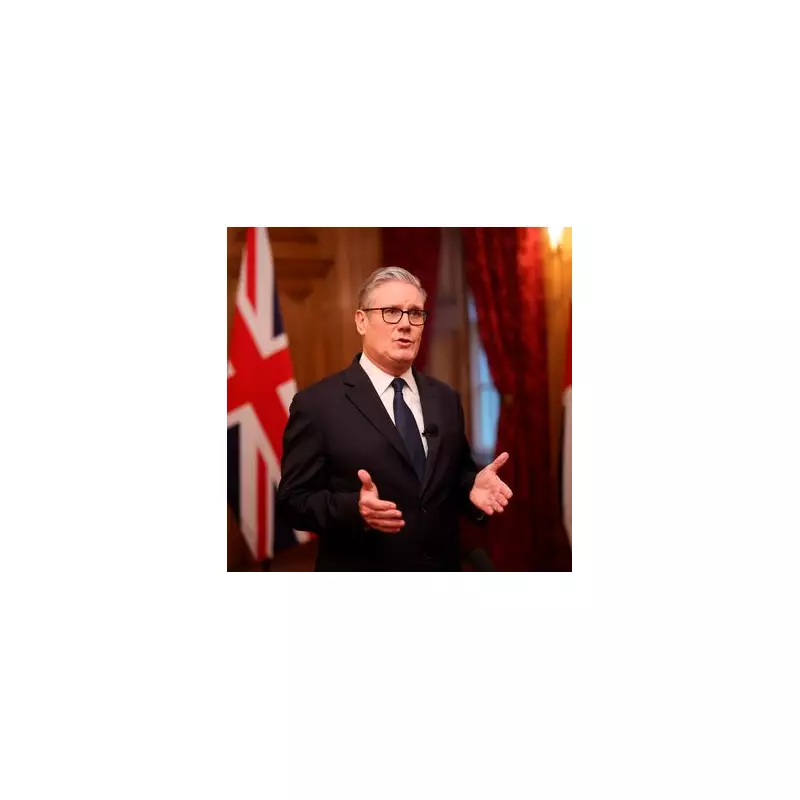
Prime Minister Keir Starmer has demonstrated significant diplomatic resolve on the international stage, successfully orchestrating a coalition of NATO allies to pressure Donald Trump into abandoning his controversial threat to annex Greenland. This strategic intervention not only prevented potential geopolitical instability but also shielded the United Kingdom from the imposition of retaliatory tariffs that could have impacted the national economy.
A Delicate Balancing Act with the US Presidency
Starmer's approach to managing the volatile US President has involved a careful blend of public praise and private persuasion, positioning himself as Europe's primary conduit to the Trump administration. This role as an unofficial "Trump whisperer" appeared to yield tangible benefits throughout much of the year, with the Prime Minister reportedly able to influence American policy decisions where other European leaders had failed.
However, this delicate diplomatic balancing act faced severe strain in early 2026 when Starmer was conspicuously excluded from consultations regarding Trump's military plans for Venezuela, learning of the invasion only after it had commenced. The Prime Minister subsequently adopted a more confrontational stance, publicly challenging Trump over both the Greenland annexation threat and inflammatory remarks suggesting NATO allies had avoided frontline combat in Afghanistan—a conflict that claimed 457 British military lives.

Internal Labour Tensions Emerge as Burnham Considers Return
While navigating these complex international relationships, Starmer simultaneously confronts mounting political challenges within his own party. The potential Westminster return of Andy Burnham, the popular Greater Manchester Mayor, has created significant internal friction and strategic dilemmas for the Labour leadership.
The vacancy in the Gorton and Denton constituency, created by Andrew Gwynne's resignation due to health concerns, has opened a pathway for Burnham's potential parliamentary comeback. This development has triggered concerns among Starmer's allies, who reportedly attempted to pre-emptively identify an alternative candidate to block the Mayor's potential candidacy.
Leadership Dynamics and Electoral Calculations
Labour's National Executive Committee, currently viewed as sympathetic to Starmer's leadership, holds authority over candidate approvals, potentially providing the Prime Minister with institutional leverage. Nevertheless, prominent party figures including former deputy leader Angela Rayner have publicly advocated for Burnham's right to stand, while Jo White of the "Red Wall" Group has warned against perceived "stitch-up" tactics to exclude the popular Mayor.
Elections expert Lord Hayward has highlighted the political risks associated with blocking Burnham, noting that such actions could reinforce perceptions of a "London-centric Labour party" at a time when regional representation remains a sensitive issue. The debate has also reignited speculation about potential future leadership contests, with Burnham's consistently high approval ratings positioning him as a potential unity candidate should internal party tensions escalate.
Scottish Labour's Complex Position
Further complicating the political landscape, Scottish Labour MPs present a divided perspective on Starmer's leadership and the party's electoral prospects. While some express confidence in the Prime Minister's ability to recover ground against the SNP, others voice concerns about what they perceive as eighteen months of ignored advice and disconnected leadership.
Despite these challenges, some Scottish Labour representatives have welcomed the prospect of Burnham's potential return to Westminster, viewing him as a skilled politician whose popularity could strengthen the government's position. Brian Leishman MP expressed this sentiment clearly, stating his hope that colleagues would recognize Burnham's accomplishments and welcome his potential contribution to the parliamentary party.

The convergence of these international and domestic pressures creates a critical testing ground for Starmer's leadership, requiring simultaneous navigation of volatile diplomatic relationships and complex internal party dynamics. As Trump's unpredictable presidency continues to strain international alliances, and Burnham's political ambitions create internal Labour tensions, the Prime Minister faces a multidimensional challenge that will test both his diplomatic skills and political management capabilities in the coming months.