Sir Keir Starmer's Press Conference Reveals a Prime Minister Under Pressure
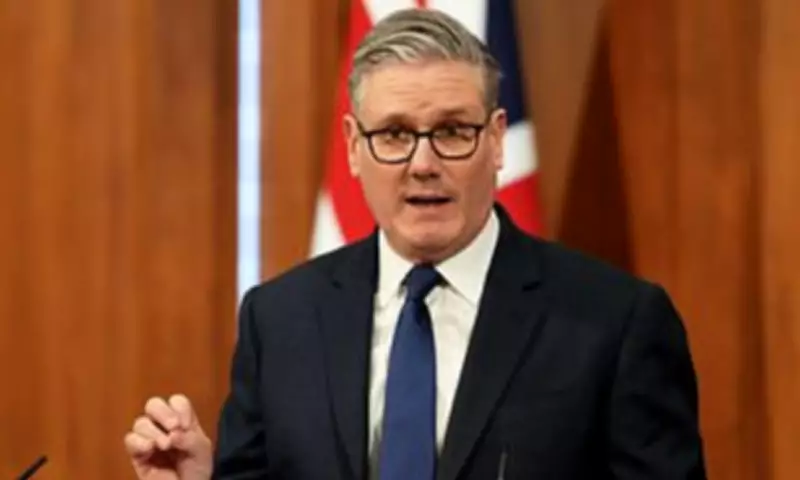
Sir Keir Starmer's press conference on the war was delayed, sparking speculation about a late-breaking development. However, reporters were informed that the prime minister simply required 'more time to rehearse'. When he finally entered the Downing Street press suite, his head was bowed, and he trudged slowly to the lectern.
A Visibly Weary Leader
Starmer appeared dishevelled, with his hair looking wet and pomaded, and his eyes watery behind glasses, suggesting fatigue. He admitted to experiencing 'a lot of pressure and noise' from former US President Donald Trump, which may have contributed to his nervous demeanour, characterised by frequent glancing and darting eyes.
The prime minister's presentation was marked by a defensive crouch, with a focus on negative terms like 'struggle', 'worry', 'shock', and 'volatility'. Critics noted a lack of positive momentum or decisive action, instead observing a reliance on old policies and comfort positions.

Policy Announcements and Brexit Blame
Starmer opened by stating the war—emphasising 'not our war!'—had entered its second month, aiming to reassure the public. He outlined a long-term plan that many interpreted as blaming Brexit and seeking closer ties with the EU, including a proposed summit for new economic agreements.
This contrasted with Australian Prime Minister Anthony Albanese's address, which addressed similar issues without mentioning Brexit, leading to questions about Starmer's motivations. Some speculated he might be using the war to advance his long-held desire to re-engage with Brussels.
Communication and Public Perception
Starmer's speech was noted for tight vowels and awkward pronunciations, such as 'ullies' for 'allies'. He expressed frustration over high energy bills, attributing them to the international market rather than domestic factors. His announcements, including a 'five-point plan', were criticised as unoriginal.
During questioning, a Channel 4 journalist queried if Starmer had been dithering, to which he hummed and hawed. An LBC reporter highlighted that only 10% of the public viewed his performance positively. An internet influencer asked for a message to the young generation, prompting Starmer to repeatedly assert, 'I'm the British Prime Minister', in what seemed like an attempt at self-reassurance.
The overall impression was of a leader struggling under pressure, with the conference reeking of defeatism and staleness, rather than offering fresh impetus or decisive leadership in a time of crisis.