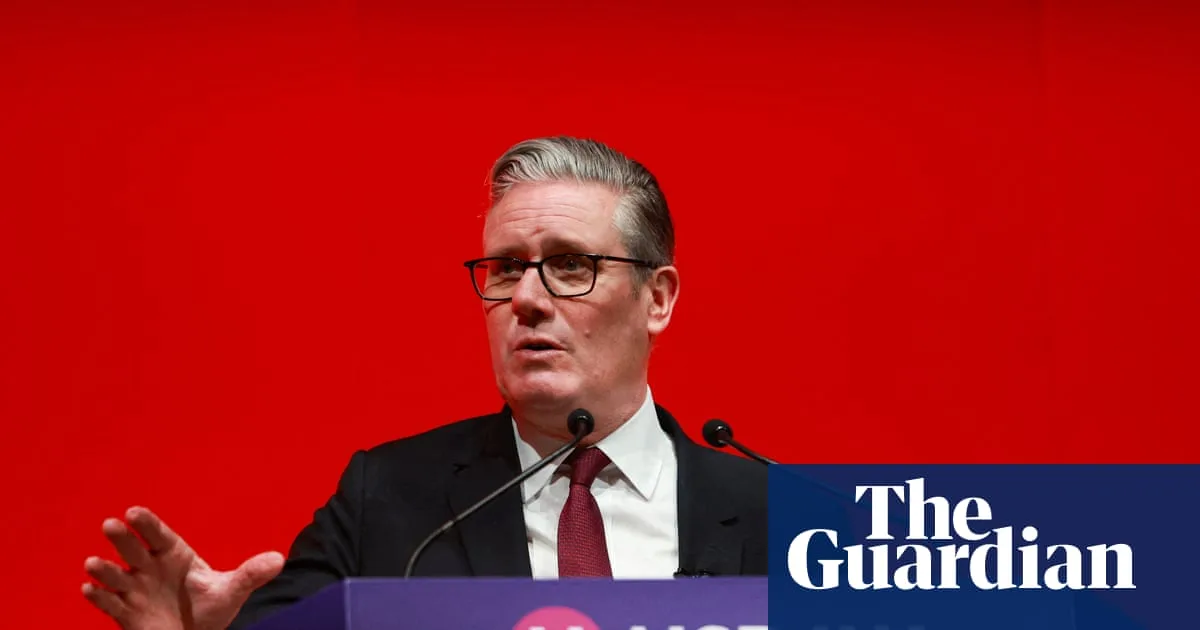
Starmer's Leadership Tested Amid Iran Crisis Following By-Election Defeat
In a dramatic shift of political fortunes, Prime Minister Keir Starmer finds his leadership under intense scrutiny yet simultaneously bolstered by international events. This comes just days after Labour suffered a devastating by-election loss in Gorton and Denton, where the party relinquished its seventh safest seat to the Green Party. The defeat had many predicting Starmer's imminent resignation, but the escalating military conflict between the United States and Iran has dramatically altered the political landscape.
From Political Peril to Statesmanlike Stability
The Gorton and Denton by-election result, which occurred on Friday, represented what many considered a terminal blow to Starmer's premiership. Labour placed third in what was described as a make-or-break contest, leading to widespread calls for his resignation. Had he stepped down as expected, Deputy Prime Minister David Lammy would have assumed leadership during this critical international crisis.
This scenario is precisely what the nation must avoid during a global emergency, according to political observers. The current Iranian situation, described by some analysts as potentially the most significant global event since September 11, 2001, requires steady, experienced leadership rather than a disruptive transition of power.
Strategic Decisions on Military Cooperation
Starmer has confirmed that the United Kingdom will permit American forces to utilize British military bases, including the strategically important Diego Garcia facility in the Chagos Islands, for operations against Iranian missile sites. This decision followed initial hesitation from the Prime Minister, who expressed concerns about the legality of the joint US-Israeli attacks that resulted in the death of Iran's Supreme Leader, Ayatollah Ali Khamenei.
The timing of this authorization proved particularly significant, with Starmer taking what some considered "far too long" according to former US President Donald Trump. Trump's public expression of disappointment with the British leader has ironically worked to Starmer's domestic advantage, presenting him as a leader willing to make independent judgments rather than automatically acquiescing to American demands.
The Lammy Alternative and Leadership Continuity
Political analysts emphasize that changing leadership during an active military conflict represents both a dangerous distraction and an unnecessary indulgence. With Iran already launching missile strikes toward British military installations in Cyprus, and the conflict threatening to expand beyond the Middle East, continuity in government provides essential security and stability.
Starmer has articulated his decision as necessary to prevent further escalation and to protect "British interests and British lives." This justification, delivered with the measured certainty of his background as a human rights lawyer, has resonated with many who see him embodying the qualities of a steady, unruffled statesman during turbulent times.
Diplomatic Nuance and Political Perception
The Prime Minister's approach mirrors his diplomatic success from the previous year, when he skillfully navigated trade negotiations with the United States and addressed Trump's punitive tariffs. During that period, Starmer presented the American president with a formal invitation for a second state visit from King Charles, demonstrating his understanding of diplomatic protocol and soft power.
This current crisis represents Starmer's opportunity to demonstrate similar diplomatic acumen. His ability to communicate the right messages to the appropriate audiences at precisely the correct moments—a form of strategic communication some have termed "diplomatic speed dating"—could redefine his premiership.
Looking Ahead to Local Elections and Beyond
Despite the temporary reprieve provided by international events, Starmer still faces significant political challenges. Heavy defeats are predicted in the upcoming local elections scheduled for May 7, which will undoubtedly prompt further leadership questions within the Parliamentary Labour Party.
However, the current international crisis has shifted public perception. Where once Starmer was viewed by many voters as disappointing, his handling of the Iran situation has prompted reconsideration. The Prime Minister must now convince both his party and the electorate that he represents not merely the leader they have, but potentially the leader they need during this period of global uncertainty.
As the world watches developments in the Middle East with increasing anxiety, Britain's political narrative has transformed from domestic by-election disappointment to international statesmanship. The coming weeks will determine whether this shift represents a temporary respite or a genuine turning point in Starmer's political fortunes.






