Starmer's 'High on Drugs, Soft on Putin' Attack on Greens: Policy Analysis
Starmer's Attack on Greens: Policy Analysis

Starmer's 'High on Drugs, Soft on Putin' Attack on Greens: How Fair Is It?

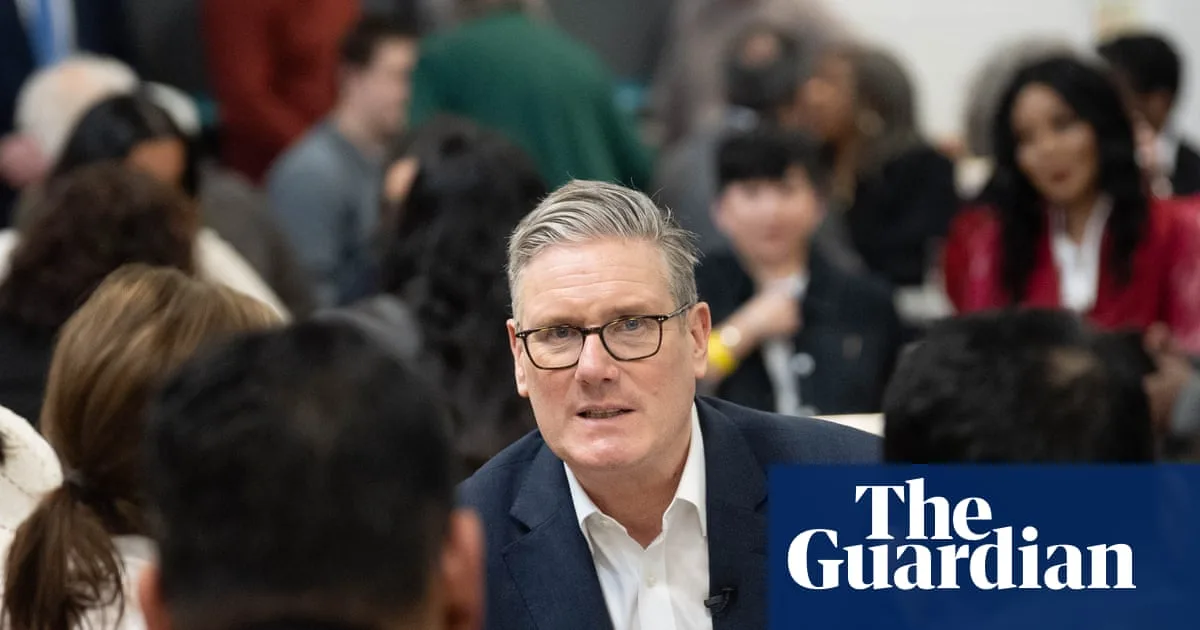
Prime Minister Keir Starmer deployed a prepared soundbite against the Green Party during Prime Minister's Questions last week, accusing them of being "high on drugs, soft on Putin". The phrase echoes a slogan originally used by Labour against the Liberal Democrats in the 1995 Littleborough and Saddleworth by-election campaign. Back then, Labour's campaign run by Peter Mandelson accused Lib Dem candidate Chris Davies of being "soft on drugs, high on taxes". The tactic didn't work, and Davies won the by-election, although Labour's Phil Woolas later won the seat on more favourable boundaries at the 1997 general election.

Now the Greens are vying to win another northwestern by-election, and Labour appears to be resorting to similar hard-hitting tactics to try to stop them. But how fair is Starmer's attack when examined against actual Green policies?

High on Drugs: Examining Green Policy

The Green Party's 2024 election manifesto stated clearly: "Elected Greens will push to decriminalise personal possession of drugs, diverting people from the criminal justice system towards support with addiction, housing and employment, from health workers focused on drug harm reduction." The manifesto argued this approach would free up hundreds of thousands of hours of police time for other priorities.

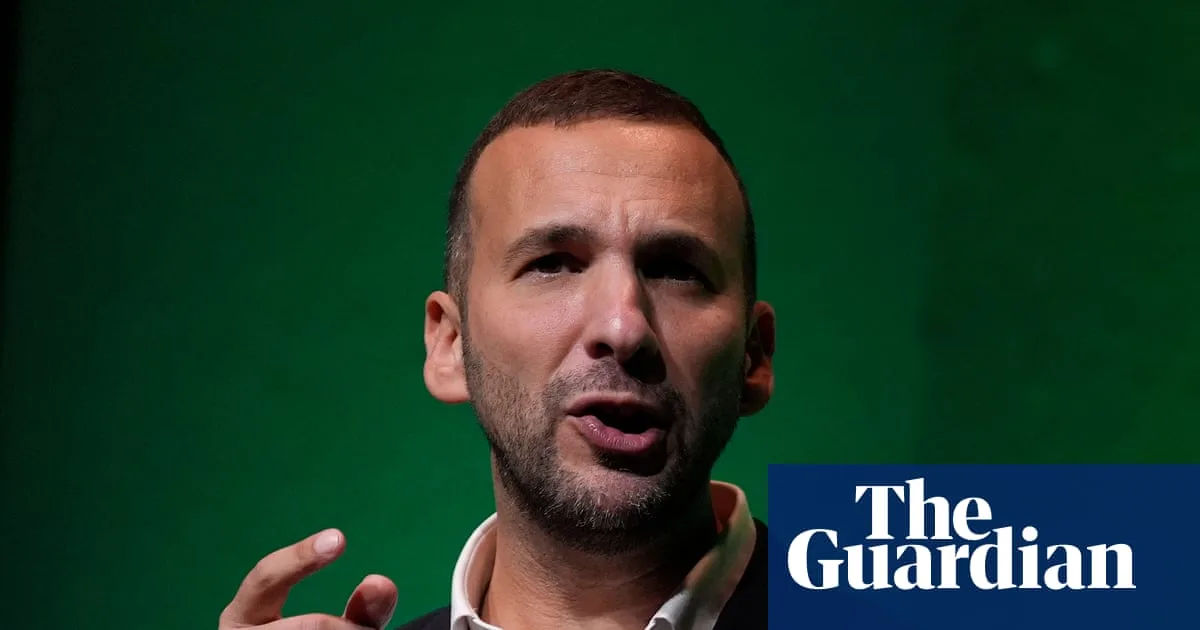
Zack Polanski, elected as Green Party leader in September last year, has confirmed his support for this policy and clarified that it applies to class-A drugs including heroin. While many public health experts support such decriminalisation approaches, public opinion remains divided. A YouGov poll from a year ago found that 83 per cent of voters believe the sale and possession of heroin and crack cocaine should remain criminal offences.

Soft on Putin: Defence and NATO Stance

The Green Party's 2024 manifesto took a cautiously pro-NATO position, reflecting internal party debates: "The Green Party recognises that NATO has an important role in ensuring the ability of its member states to respond to threats to their security." However, the document added that the party doesn't consider NATO perfect and would work within it for greater focus on dialogue and peacebuilding.

Interestingly, the manifesto noted that "most of the world's countries do not possess weapons of mass destruction and are safer as a result" but didn't explicitly pledge to give up Britain's nuclear weapons, acknowledging it wasn't drafted with a majority Green government in mind. Polanski himself has been clearer in interviews, stating Britain should leave NATO and pursue disarmament while persuading other nuclear-armed countries, including Russia, to follow suit.

Economic Realism: Tax and Spending Plans

The third major line of criticism against the Greens concerns their economic policies. Their last manifesto promised substantial increases in public spending across green investment, health, education, benefits and policing. This would be funded primarily through taxing multimillionaires and billionaires.

Specifically, the Greens proposed a wealth tax on individuals with assets above £10 million at 1 per cent annually, rising to 2 per cent for assets above £1 billion. Additionally, they suggested an extra 6 per cent on national insurance contributions for people earning more than £50,000 annually. In interviews, Polanski has indicated a Green government would also borrow more, arguing the national budget differs from household finances and national debt isn't "borrowing or a debt in any real sense."

Broader Green Policy Platform

Beyond these controversial areas, the Green Party stands for numerous other policies including:

  • Accelerated progress toward net zero emissions
  • Opposition to nuclear power expansion
  • A maximum 10:1 pay ratio for all organisations
  • Revaluation of council tax bands
  • Bringing academies and free schools under local authority control
  • Replacing first-past-the-post with proportional voting systems
  • Replacing the House of Lords with an elected second chamber
  • Creating safe routes for refugees and permitting asylum seekers to work
  • Ending UK arms exports to and military cooperation with Israel

Many of these policies were previously championed by the Labour Party under Jeremy Corbyn's leadership. Now they find expression in a party whose ambition, in Polanski's own words, is to "replace" the Labour Party as the progressive alternative in British politics.

The timing of Starmer's attack coincides with a northwestern by-election where the Greens have a genuine chance of victory, suggesting Labour views them as a growing electoral threat. Whether the "high on drugs, soft on Putin" label accurately reflects Green policies or represents political rhetoric designed to undermine a competitor remains a matter of interpretation as voters prepare to make their choices.