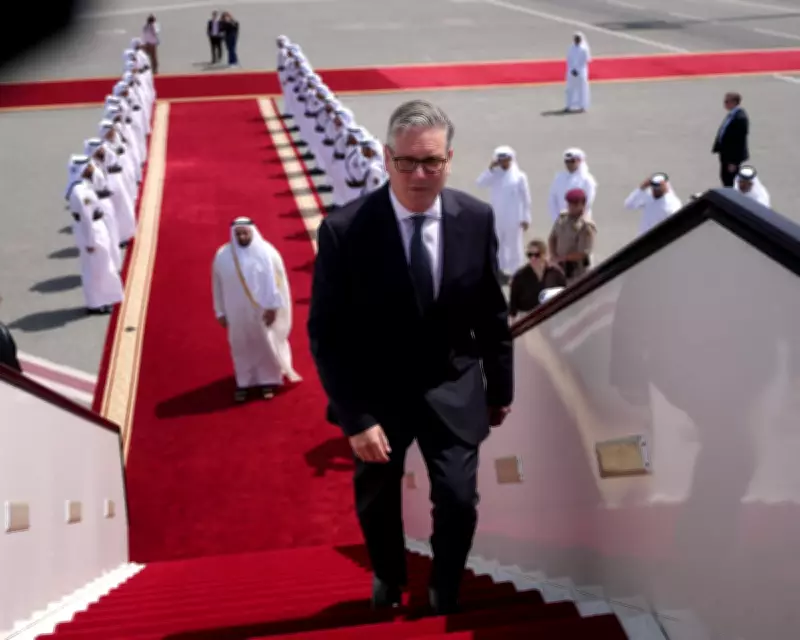
In a significant address on global affairs, Labour leader Keir Starmer has issued a stark warning about escalating geopolitical tensions involving former US President Donald Trump, Russian President Vladimir Putin, and Iran. Speaking at a policy forum in London, Starmer emphasised the urgent need for international cooperation to prevent further instability, as conflicts in regions like the Middle East and Eastern Europe threaten to spill over into broader crises.
Rising Geopolitical Risks and Diplomatic Challenges
Starmer highlighted the complex interplay between Trump's potential return to power, Putin's ongoing military actions, and Iran's aggressive posturing in the Middle East. He argued that these factors create a volatile environment where miscalculations could lead to widespread conflict. The Labour leader called for a renewed focus on diplomacy and multilateral institutions, criticising current government approaches as inadequate in the face of such multifaceted threats.
Domestic Political Landscape and Reform Party's Ascent
Amid these international concerns, the domestic political scene is also shifting, with Nigel Farage's Reform party showing notable gains in recent polling data. Starmer addressed this development, warning that populist movements could undermine national unity and effective governance. He stressed the importance of addressing voter disillusionment through substantive policy solutions rather than divisive rhetoric.

Analysts note that Farage's influence continues to reshape British politics, drawing support from disaffected conservatives and Brexit proponents. This trend poses challenges for both major parties as they navigate an increasingly fragmented electorate ahead of potential elections.
Policy Implications and Future Outlook
Starmer outlined several key policy areas requiring immediate attention, including defence spending, cybersecurity, and humanitarian aid. He advocated for a strategic review of Britain's foreign policy to better align with emerging global realities. Additionally, he proposed initiatives to bolster economic resilience against external shocks, such as trade disruptions or energy supply issues linked to international tensions.
The speech has sparked debate among political commentators, with some praising Starmer's proactive stance and others questioning the feasibility of his proposals. As geopolitical dynamics evolve, the interplay between international crises and domestic politics is likely to remain a central theme in British public discourse.