Starmer Admits Mandelson Appointment Error But Vows to Lead Labour Forward
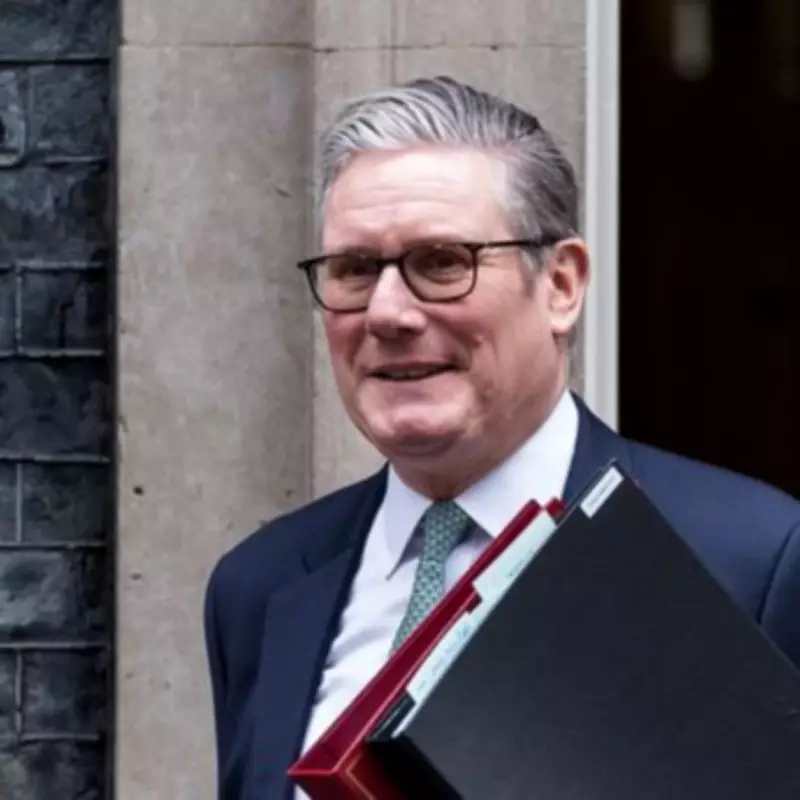
Prime Minister Keir Starmer has publicly acknowledged that appointing Peter Mandelson as US ambassador was a significant mistake, yet he remains resolute in his commitment to lead the Labour Party into the next general election. This declaration comes amid a period of intense political turbulence and internal party strife, with Starmer asserting that he has emerged from the week stronger than he began it.
Political Fallout from Controversial Appointments
The Prime Minister's authority has been severely tested in recent weeks due to the fallout from the Mandelson scandal and the suspension of Lord Matthew Doyle from the party. Doyle's suspension was prompted by concerns over his connections to a convicted sex offender, adding to the growing list of controversies surrounding Starmer's leadership.
This turmoil has been exacerbated by a series of high-profile departures from Downing Street, including the resignation of chief of staff Morgan McSweeney. McSweeney had originally advised Starmer to appoint Mandelson back in 2024, making his exit particularly symbolic of the ongoing crisis.

Internal Party Support Amid Calls for Resignation
Despite a lone call from Scottish Labour leader Anas Sarwar for Starmer to resign earlier this week, senior party figures have rallied behind the Prime Minister. Key allies, including Deputy Prime Minister Angela Rayner, have publicly voiced their support, highlighting Starmer's historic achievement of leading Labour to a 411-seat election victory less than two years ago.
Speaking to reporters at the Munich Security Conference, Starmer came out fighting, emphatically stating that he would "absolutely" be the person to lead Labour into the next election. In an interview with the Sun on Sunday, he reflected on his political journey, saying, "I won the leadership of the Labour Party when people said I wouldn't. I changed the Labour Party when people said I couldn't. I won an election when people said we wouldn't. And now I intend to change the country - whatever other people say."
Addressing Mistakes and Defending Leadership
When pressed about whether appointing Lord Mandelson as US ambassador was his biggest mistake since taking office, Starmer responded candidly, "I'm not going to list mistakes in rank order. It was a mistake." This admission marks a rare moment of public self-critique from the Prime Minister, who has otherwise maintained a steadfast defence of his leadership.
During a panel discussion at the conference, Starmer dismissed suggestions that the recent turmoil had left him vulnerable to challenges from Reform UK and the Conservative Party. He asserted, "No, I reject that. I ended the week much stronger than I started it." He further emphasised the unity within his party and government on key issues such as Ukraine, defence, security, and strengthening relations with Europe.
Attacking Political Opponents and Highlighting Unity
Starmer took the opportunity to criticise Nigel Farage's Reform UK party, labelling it as "pro-Putin" and suggesting it is the only faction in the House of Commons not fully behind the UK's support for Ukraine. He warned of the consequences if such a party were in government, stating, "Imagine if they were in government in the United Kingdom. The Coalition of the Willing could not exist without UK participation in it. We would not be seen as a leader on the European or international stage. We would be seen as a country that people couldn't do business with."
He highlighted that there is a "very strong feeling amongst right-minded politicians that we stick together on Ukraine," underscoring the broader parliamentary consensus on this critical issue.

Ongoing Scandals and Internal Criticisms
The attempt to oust Starmer, led by Anas Sarwar in the wake of the Mandelson scandal, ultimately failed as Cabinet members quickly moved to publicly back the Prime Minister. However, further questions about Starmer's judgment arose later in the week regarding the appointment of his former spin doctor, Lord Doyle, to the House of Lords. This controversy was fuelled by Doyle's past campaigning for a paedophile councillor, adding another layer to the ethical concerns plaguing the administration.
The departure of Sir Chris Wormald, the head of the Civil Service, has also prompted criticism of negative briefings within the Government. Senior Labour women have suggested that the string of scandals has exposed a "boys' club" culture within Downing Street, raising issues about gender dynamics and transparency at the highest levels of power.
Sir Chris's exit marks the third senior figure to quit the Government in the past week, following the resignations of Sir Keir's chief of staff Morgan McSweeney and communications director Tim Allan. This wave of departures underscores the ongoing challenges Starmer faces in stabilising his leadership and restoring public confidence.
As the political landscape remains fraught with controversy, Starmer's vow to lead Labour into the next election signals his determination to weather the storm, even as he grapples with the repercussions of his admitted mistakes and the internal dissent they have sparked.