Starmer Pledges Change to 'Broken' Student Loans System Amid Mounting Pressure
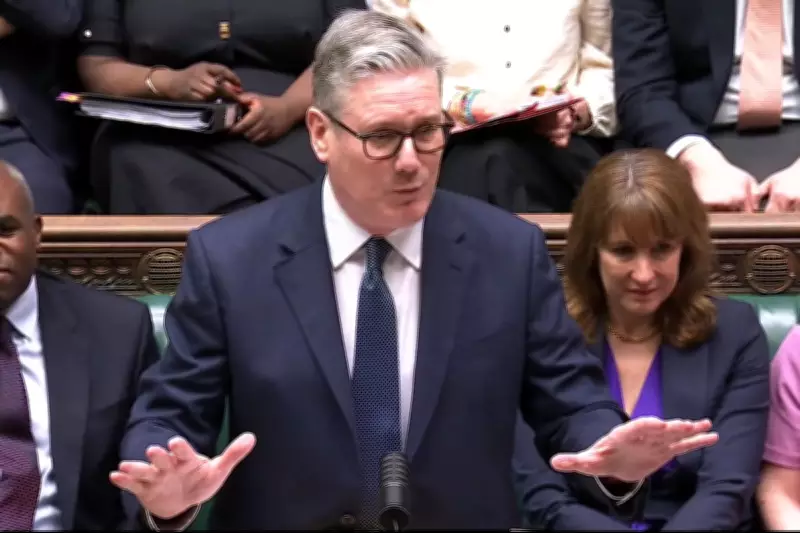
Prime Minister Keir Starmer has publicly committed to exploring methods to enhance the fairness of the student loan system, describing it as "broken" and inherited from the previous Conservative government. This announcement follows intense questioning from Conservative leader Kemi Badenoch during Prime Minister's Questions, where she pressed for immediate reductions in interest rates on student loans.
Political Clash Over Graduate Debt
During the heated Commons exchange, Badenoch declared the student loan system "at breaking point for graduates," labeling it a "debt trap" that might even discourage people from having children. She directly challenged Starmer to cut interest rates, accusing his government of making graduates pay more rather than less.
Starmer responded by placing blame squarely on the Conservative administration, stating: "We inherited their broken student loans system. We've already introduced maintenance grants to improve the situation, which they scrapped, and we will look at ways to make it fairer." He highlighted that under the previous government, "inflation was at 11% which crippled the state of finances for students as their loan rates went up."

Specific Policy Concerns
The controversy centers on several key elements of the current student loan framework:
- Interest on Plan 2 loans is charged at the rate of RPI inflation plus up to 3%, depending on graduate earnings
- The repayment threshold has been frozen at £29,385 for three years following Chancellor Rachel Reeves' November budget
- Badenoch has proposed restricting interest to RPI only, claiming this would help more graduates repay their debt
Starmer's official spokesman suggested ministers are examining potential changes to both the threshold and interest rates, stating they are keeping "under review the ways in which we can make life better for graduates." However, when pressed about whether changes might appear in the upcoming spring statement, the spokesman declined to speculate, saying "I won't get ahead of the spring statement."
Broader Criticism and Advocacy
Consumer champion Martin Lewis has joined the chorus of criticism, urging Chancellor Reeves to reverse the student loan changes. Appearing on ITV's Good Morning Britain, Lewis argued the modifications would be "struck down by the regulator if a commercial company tried to make them," describing them as "structurally horrible" and "a breach of contract."
Lewis emphasized: "It is not moral, Chancellor, you need to reverse that decision and give students what they were promised. The threshold needs to go up with average earnings."
Badenoch and Lewis are scheduled to meet to discuss student loans following their televised exchange about the issue, highlighting the cross-party and non-partisan nature of concerns about the current system.
Political Motivations Denied
A spokesman for Badenoch insisted the Conservative push for student loan reform is not driven by "electoral maths" aimed at winning graduate votes, but rather represents "an obvious problem" with a "fully costed solution."
The debate underscores growing anxiety about graduate debt in Britain, with political leaders across the spectrum acknowledging systemic problems while proposing different approaches to solutions. As pressure mounts from both political opponents and consumer advocates, the government faces increasing demands to deliver concrete reforms to what many describe as an unsustainable student financing model.