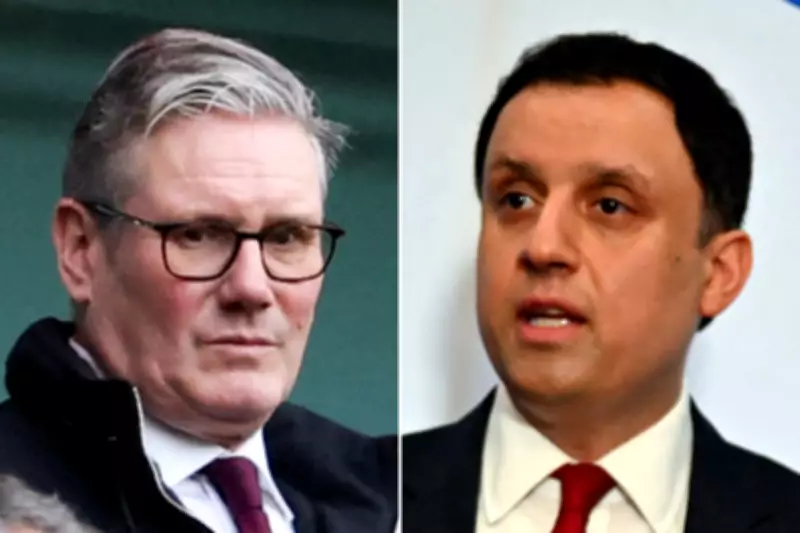
Starmer's Premiership Under Siege as Mandelson Scandal Escalates
Prime Minister Keir Starmer is confronting the most severe crisis of his leadership to date, with intensifying demands for his resignation following the controversial appointment of Peter Mandelson as US ambassador. The political storm erupted after Sir Keir admitted awareness of Mandelson's ongoing association with convicted sex offender Jeffrey Epstein, sparking widespread condemnation across the political spectrum.
Resignations Rock Downing Street as Pressure Mounts
The prime minister's position has been significantly weakened by the departure of two crucial figures. Morgan McSweeney, the architect behind Starmer's rise to Labour leadership and subsequent election victory, resigned on Sunday, failing to stabilize the deteriorating situation. This was compounded by the resignation of Downing Street communications director Tim Allan, further undermining confidence in Starmer's administration.
The crisis reached a new peak on Monday when Scottish Labour leader Anas Sarwar, previously a staunch ally, publicly urged Starmer to step down, citing "too many mistakes" in handling the Mandelson-Epstein affair. Despite defiantly declaring "I've won every fight I've ever been in" to Labour MPs, Starmer faces a precarious future with growing internal dissent.

Potential Successors Emerge as Leadership Speculation Intensifies
With Starmer's position increasingly vulnerable, attention has turned to potential successors who could unite the fractured Labour Party. Several prominent figures have emerged as possible contenders:
Angela Rayner: The Former Deputy Prime Minister
Despite resigning less than six months ago over personal tax payment issues, Angela Rayner is being actively discussed as a replacement. The Ashton-under-Lyne MP demonstrated independence by opposing government attempts to restrict vetting documents related to Mandelson's appointment. Trade unions have expressed strong support for Rayner, who has declared "I'm not dead yet" while reportedly preparing for a potential leadership contest.
Andy Burnham: The Manchester Mayor
Andy Burnham has emerged as the most frequently mentioned threat to Starmer's leadership in recent months. The Greater Manchester mayor failed to rule out a leadership bid last year and faced obstruction from Labour's National Executive Committee when seeking a parliamentary seat. Critics allege Starmer's allies blocked Burnham's candidacy due to fears about his popularity as Labour's poll ratings decline.
Wes Streeting: The Ambitious Health Secretary
Health Secretary Wes Streeting has positioned himself as a potential successor through controversial actions, including publishing communications containing severe criticism of Starmer's policies. While claiming this addressed "smears" about his relationship with Mandelson, many interpret it as distancing himself from the prime minister. The charismatic 43-year-old faces criticism for being too right-wing but remains popular with the public.
Shabana Mahmood: The Home Secretary Endorsed by Blair
Home Secretary Shabana Mahmood has gained prominence as a potential successor, receiving implicit endorsement from former Prime Minister Tony Blair. However, she shares Streeting's challenge of being perceived as too right-wing for the party's left flank, potentially limiting her appeal in a leadership contest.
Ed Miliband: The Resurgent Left-Wing Candidate
Ed Miliband represents a potential left-wing alternative, having transformed from his defeated 2015 leadership persona into a passionate advocate for green energy and net zero policies. Despite being unpopular with right-wing media, his environmental evangelism resonates with party members seeking ideological renewal.
Constitutional Thresholds and Political Calculations
The immediate danger to Starmer may have temporarily subsided due to lack of coordinated action from MPs, but the constitutional requirement for just one candidate to secure 20% of parliamentary support means his position remains precarious. The ongoing speculation follows months of leadership uncertainty, with senior figures increasingly positioning themselves as potential successors while Labour's political fortunes fluctuate.

The Mandelson-Epstein scandal has exposed deep fractures within the Labour Party, testing Starmer's ability to maintain authority amid resignations, public criticism from allies, and growing leadership speculation. As pressure continues to mount, the prime minister faces the formidable challenge of stabilizing his government while potential successors maneuver for position in what could become a transformative leadership contest.