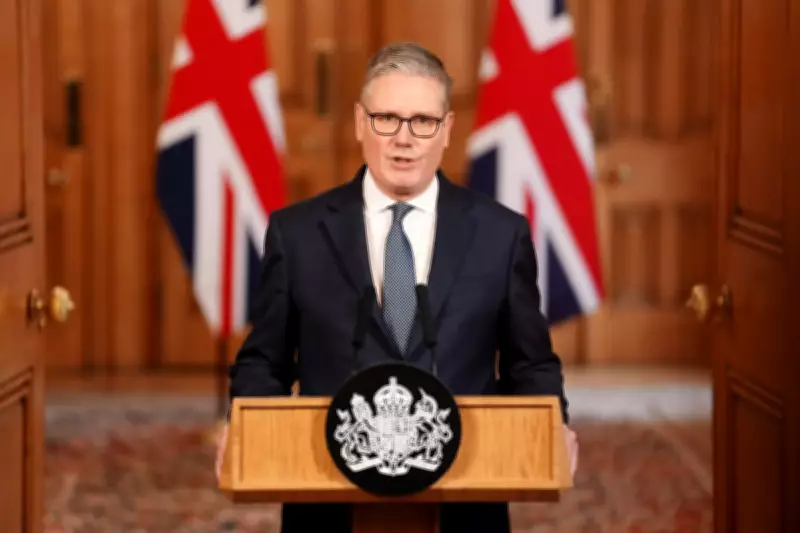
Labour leader Sir Keir Starmer has issued a stark warning against what he describes as the 'extremism' of the Green Party and Reform UK, following a bruising by-election defeat that saw Labour finish in a distant third place. The comments came as Starmer sought to rally his parliamentary party behind his leadership, emphasising his commitment to representing the 'mainstream majority' in British politics.
By-Election Fallout and Political Realignment
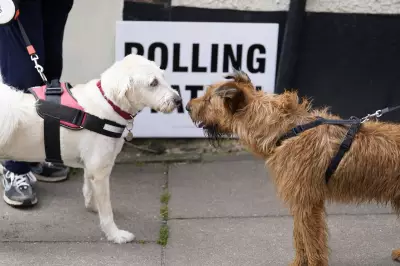
The Gorton and Denton by-election delivered a seismic shock to the Labour Party, with the Green Party's Hannah Spencer securing victory to become their fifth MP. Reform UK claimed second position, leaving Labour trailing in third—a result that has intensified internal scrutiny of Starmer's strategy and electoral appeal.
In the aftermath, Starmer addressed Labour MPs, urging unity and a renewed focus on core progressive values. He positioned his leadership as the antidote to what he perceives as the fringe ideologies of both the Greens and Reform UK, accusing them of embracing extremist positions that diverge from mainstream public opinion.

Starmer's Foreign Policy Stance and Domestic Agenda
Amid the domestic turmoil, Starmer's standing among MPs reportedly received a boost from his handling of international affairs, particularly concerning tensions between Donald Trump and Iran. Starmer advocated strongly for adherence to international law, a move that resonated with many within his party and bolstered his credibility on the global stage.
However, the leader's primary focus remains on articulating a clear domestic agenda. Starmer highlighted Labour's pledges to deliver 'progressive change' through new legislation on employment rights and renters' rights, alongside substantial investments in the NHS and clean energy initiatives. He framed these policies as essential components of a mainstream, pragmatic approach to governance.
Reactions and Accusations of Hypocrisy
The Green Party's deputy leader, Zack Polanski, swiftly retaliated against Starmer's remarks, accusing the Labour leader of hypocrisy. Polanski claimed that Starmer's support for certain foreign interventions amounted to 'jumping into another Middle East illegal war,' a charge that underscores the deepening ideological divides within the left-of-centre political spectrum.
This exchange highlights the growing tension between Labour and the Greens, as both parties vie for progressive voters while navigating complex geopolitical and domestic policy landscapes. The by-election result suggests that traditional party loyalties are being tested, with voters increasingly willing to consider alternatives beyond the established political duopoly.
As Starmer consolidates his leadership, the challenge will be to translate his vision of a 'mainstream majority' into electoral success, while contending with the rising influence of parties he labels as extremist. The political terrain appears increasingly fragmented, setting the stage for a contentious and unpredictable period in British politics.