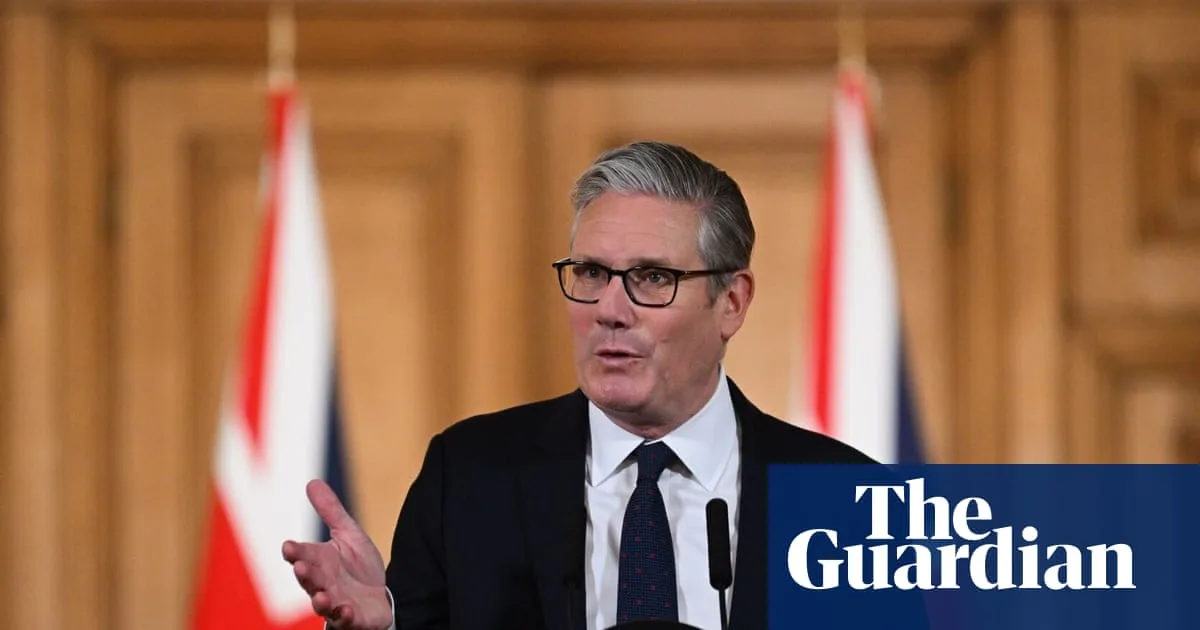
Prime Minister Keir Starmer could introduce a ban on social media use for under-16s by this summer, as he seeks to avert a significant rebellion from his own Labour backbenchers. The move follows a decisive vote in the House of Lords, where peers backed an amendment to the Children's Wellbeing and Schools Bill, demanding immediate action to restrict teen access to platforms like Snapchat and TikTok.
Lords Vote Forces Government's Hand
In a dramatic development on Wednesday night, the House of Lords voted overwhelmingly in favour of implementing an Australian-style ban without delay. The amendment, which saw 261 peers support it against 150 opposed, places intense pressure on the Labour government to act swiftly. This cross-party initiative was notably backed by two Labour peers who rebelled, including former shadow minister Baroness Berger, highlighting the depth of concern across the political spectrum.
Growing Pressure from All Sides
The government now faces a looming clash when the amended Bill returns to the Commons next month. Over 60 Labour MPs have publicly called for Britain to follow Australia's lead, becoming the first country to enact such a ban last month. This internal dissent threatens to erupt into a major rebellion, compelling Sir Keir to navigate a delicate balancing act between party unity and policy deliberation.
Downing Street has made its opposition to the amendment clear, arguing that evidence must be gathered before changing the law. A government source stated, 'We have to gather the evidence and insight before changing the law.' However, in a bid to placate rebels, the government confirmed it will commence the 'legislative legwork' to enable action once a three-month consultation concludes this summer, regardless of the outcome.
Criticism of Consultation as Delay Tactic
Peers and experts have voiced scepticism about the consultation announced earlier this week, viewing it as a stalling mechanism rather than a genuine effort to protect children. Baroness Kidron, a former Hollywood director and architect of the government's children's code, expressed reservations but supported the ban, stating that the consultation's 'sole purpose is to stave off a back bench rebellion.' She added, 'It's not child safety, it's not governance, it's party management, and I believe UK children deserve better than that.'
Medical and Professional Backing for Ban
The amendment garnered support from leading figures, including Baroness Cass, a prominent paediatrician who led the review into NHS treatment of children with gender dysphoria. She dismissed the need for further consultation, telling peers, 'I don't understand what extra information this consultation is going to give.' Critics of the delay argued that waiting until summer could mean an eight-month gap before any protective measures are implemented, leaving children vulnerable in the interim.
Tory Peer Lord Nash, a former Schools Minister and one of the amendment's sponsors, hailed the Lords vote as a victory for child welfare. He said, 'Tonight, peers put our children's future first. This vote begins the process of stopping the catastrophic harm that social media is inflicting on a generation.' He pledged to work swiftly with MPs across parties to ensure the Commons raises the age limit to 16, aiming to 'protect children and give them their childhood back.'
Government Concessions and Legislative Pathway
In response to the mounting pressure, ministers made an 11th-hour concession on Wednesday night, agreeing to expedite any potential ban. If the consultation recommends action, the government will use secondary legislation to implement it more quickly, rather than requiring a whole new Bill. This compromise aims to address concerns about delays while maintaining a veneer of due process.
Education minister Baroness Smith of Malvern assured peers after the Lords defeat, 'Rest assured, we will continue to act to keep protecting our children, as noble Lords have asked for today.' However, the prospect remains that Labour may whip MPs to vote against the ban next month, only to potentially reverse course and introduce it in summer if the consultation supports such a move, highlighting the political tightrope the Prime Minister must walk.