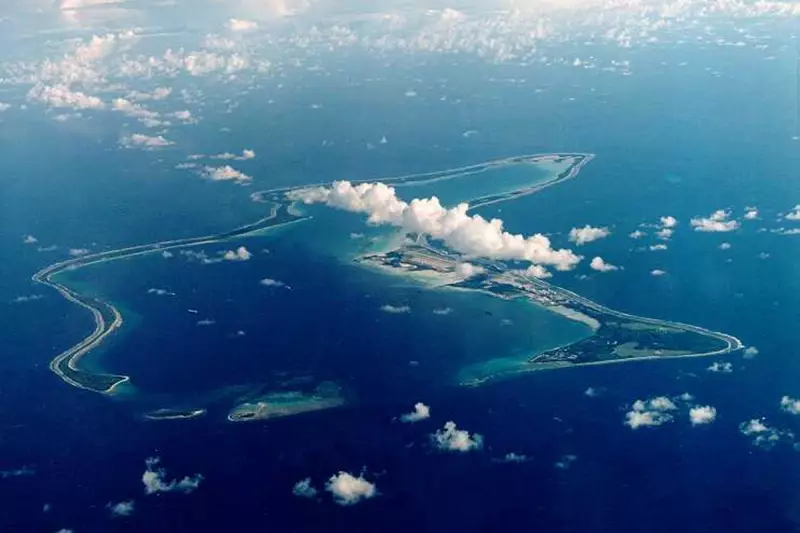
Starmer's Chagos Islands Sovereignty Deal Delayed Amid US Backlash
Sir Keir Starmer's Labour government has postponed crucial legislation that would transfer sovereignty of the Chagos Islands to Mauritius, following scathing criticism from former US President Donald Trump. The planned House of Lords debate on Monday was abruptly withdrawn amid warnings that the agreement could violate a longstanding UK-US treaty.
Trump's 'Great Stupidity' Attack Derails Parliamentary Timetable
Donald Trump launched a blistering attack on the proposed deal earlier this week, labelling it an act of "great stupidity" and questioning why Britain would proceed with such an arrangement. Writing on his Truth Social platform, the former president declared there was "no reason whatsoever" for the agreement to be struck, linking it to broader geopolitical concerns about national security.
Government ministers have responded with fury, accusing peers of interfering with Britain's national security through what they describe as "irresponsible and reckless behaviour." While government sources insist the legislation will return to Parliament, opponents maintain it cannot advance without explicit support from the United States.

The Complex Chagos Agreement Explained
The proposed deal, negotiated last year, would see Britain:
- Transfer sovereignty of the Chagos archipelago to Mauritius
- Retain control of the strategically vital Diego Garcia military base
- Secure a 99-year lease on the base in exchange for annual payments
- Allow Mauritius to arrange resettlement of native Chagossians on all islands except Diego Garcia
The government estimates the total cost at approximately £3.4 billion over the lease period, with annual payments averaging £101 million at current prices. These islands have been administered as the British Indian Ocean Territory since 1965, when they were detached from Mauritius for joint UK-US defence purposes.
Why This Deal Matters Geopolitically
International pressure has been mounting on Britain regarding its administration of the territory. In 2019, the International Court of Justice issued an advisory opinion stating the UK had an "obligation" to end its administration of the islands "as rapidly as possible." While not legally binding, this created significant diplomatic pressure.
The Labour government argues the deal is "absolutely vital" for British security, providing:
- Long-term guarantees for the Diego Garcia base
- Protection against future legal challenges affecting base operations
- Security against potential Chinese or other state presence in the region
A government spokesperson emphasised: "The UK will never compromise on our national security. This deal secures the operations of the joint US-UK base on Diego Garcia for generations."
Parliamentary Wrangling and Tory Opposition
Labour sources in the Lords claim the delay resulted not from Trump's comments but from Tory peers tabling wrecking amendments just hours before the scheduled debate. The Conservative amendment, seen by the Press Association, demands:
- Assurance that the deal doesn't breach the 1966 UK-US treaty confirming British sovereignty
- Formal consultation rights for the Chagossian people displaced in the 1960s and 1970s
The legislation is currently in the "ping pong" phase of parliamentary scrutiny, bouncing between Commons and Lords as each chamber attempts to amend its provisions. This complex process has now been interrupted by both international criticism and domestic political manoeuvring.
Despite the setback, government insiders maintain the bill will return to Parliament, though its path forward remains uncertain without clearer support from Washington. The episode highlights the delicate balancing act between post-colonial obligations, national security concerns, and maintaining crucial international alliances.