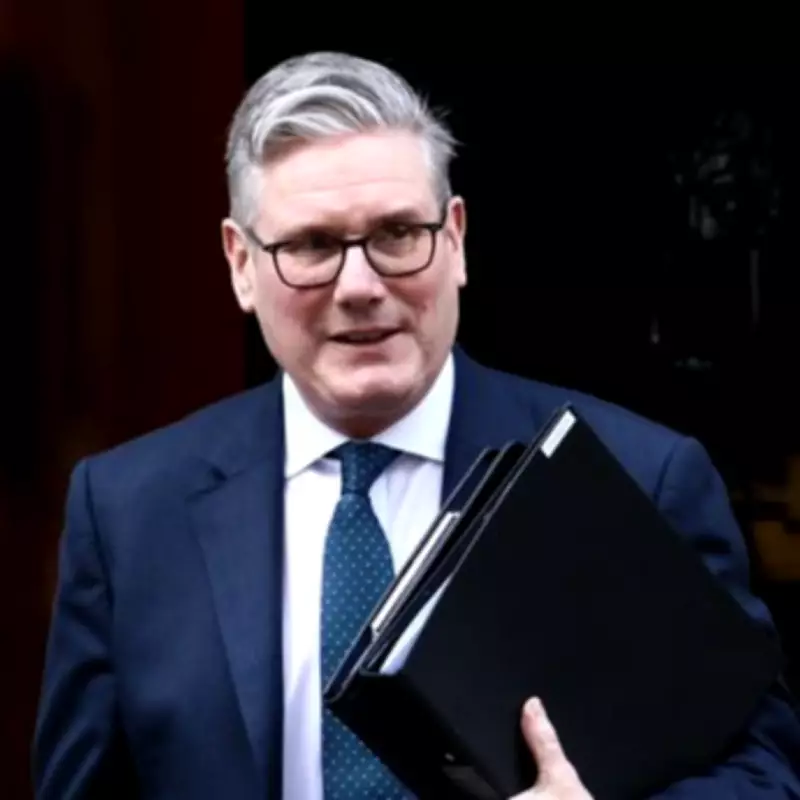
Starmer Rejects Trump's Call for Military Action Against Iran
In a significant diplomatic confrontation, Prime Minister Keir Starmer has publicly rebuffed pressure from US President Donald Trump to join military strikes against Iran. The Prime Minister declared that the United Kingdom "does not believe in regime change from the skies," directly challenging the American President's aggressive stance as conflict escalates across the Middle East.
Legal Basis and Historical Lessons Paramount
Delivering his strongest criticism of the Trump administration to date, Starmer emphasized that any commitment of British forces requires a clear and lawful foundation. "We have learned the lessons of the Iraq War," the Prime Minister stated during a parliamentary address. "It is crucial to establish a lawful basis for our actions and ensure there is a viable, thought-through plan with achievable objectives."
This position emerged after President Trump expressed "very disappointed" with Britain's initial refusal to permit US forces to utilize British bases for targeting Iranian missile installations. The American leader warned that "the big wave hasn't even happened" regarding attacks on Iran and refused to rule out deploying ground troops if deemed "necessary."

Mass Evacuation Plans for Stranded Britons
As Tehran and its allies launched assaults across the region, including against Israel and several Gulf states, the situation has created a humanitarian crisis for British citizens abroad. Officials are now coordinating a massive evacuation operation for over 300,000 British nationals believed to be stranded throughout the Middle East.
The closure of extensive airspace following unprecedented drone attacks has grounded thousands of flights, trapping holidaymakers and residents alike. The Foreign Office has confirmed that more than 102,000 people have already registered their presence with the government as rapid deployment teams prepare to assist those on the ground.
Firsthand Accounts of Terror in Dubai
British citizens in Dubai have described harrowing experiences as conflict reached the Gulf. Salli J Oliver, a 46-year-old from Grimsby, recounted how her hotel shook during bombing raids. "There were babies and women screaming and crying - it was awful," she said, describing a chaotic evacuation down hotel stairs reminiscent of wartime conditions.
The family now faces potential hotel bills exceeding £2,000 per week if unable to secure passage home by Thursday. Other Britons reported initially mistaking Iranian drones for shooting stars before realizing the gravity of their situation.
Iran's Threat Assessment and Regional Destabilization
Prime Minister Starmer acknowledged the significant threat posed by Iran, noting the regime's history of "bringing horror to the world" through regional destabilization, attacks on British shipping in the Red Sea, and support for Russian operations in Ukraine. He highlighted specific threats directed toward dissidents and Jewish communities within the UK, with multiple Iran-backed plots reportedly disrupted in the past year alone.
Despite these concerns, the Prime Minister maintained that Britain would not participate in offensive action against Iran without proper legal justification and strategic planning. "It is my duty to judge what is in Britain's national interest," Starmer affirmed, "and that is the judgement I made. I stand by it."
The escalating conflict has transformed Dubai from a tourist paradise to what one British resident described as "living in a warzone." Elbi Henshaw, 24, who relocated to Dubai seeking better safety and weather conditions, now receives advice to keep windows open to prevent shattering during missile attacks from her 46th-floor apartment.
As diplomatic tensions between London and Washington intensify, the immediate priority remains the safe evacuation of hundreds of thousands of British citizens caught in the crossfire of expanding Middle Eastern hostilities.