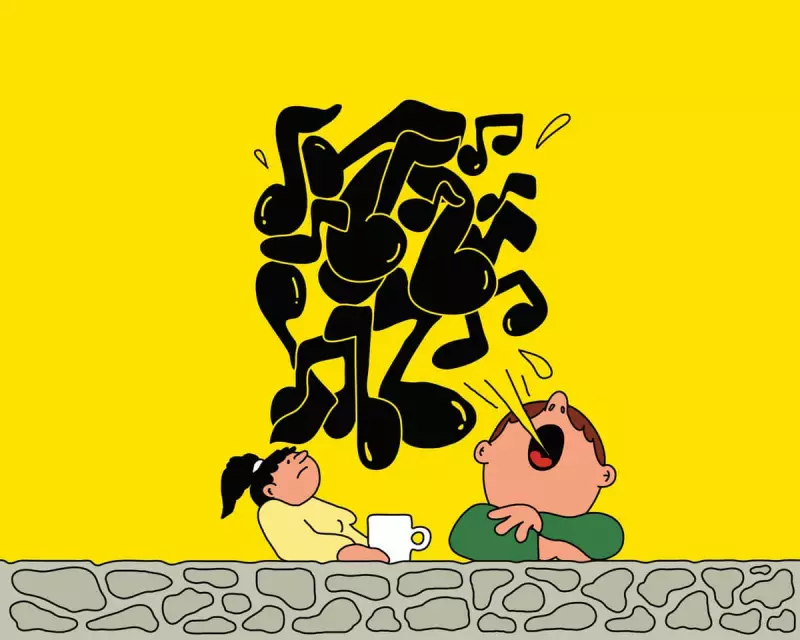
In a unique domestic dispute that has captured public attention, a long-married couple find themselves at odds over a seemingly harmless habit that has become a significant point of contention in their relationship. The disagreement centres on whether the husband should cease his practice of quoting song lyrics during serious conversations, with both partners presenting compelling arguments for their positions.
The Prosecution's Case: Taylor's Perspective
Taylor, who has been married to Randy for thirty-three years and shares four children with him, describes their marriage as fundamentally strong but acknowledges this persistent issue requires resolution. "Whenever we try to have a serious discussion, Randy will start singing song lyrics," she explains. "It drives me absolutely nuts."
While Taylor admits she finds Randy's extensive lyrical knowledge impressive, she believes the timing of these musical interjections transforms them from charming quirks into communication barriers. "If we're not having a serious conversation, then a lyric or two doesn't matter," she clarifies. "But if we are discussing something important, it becomes genuinely annoying. Sometimes it might lighten the moment, but more often it completely ruins the vibe."

Understanding the Pattern
Taylor, now fifty-three, reflects on how this behaviour has evolved throughout their marriage. She acknowledges Randy has made significant progress, particularly after they attended therapy together during a rocky period in their relationship. "Ten years ago, he wouldn't have listened to me at all when I asked him to stop," she recalls. "He's improved considerably, but things still need work."
She identifies the lyric-quoting as an avoidance tactic, linking it to traditional masculine upbringing. "Boys are taught not to cry from a young age," Taylor observes. "I think Randy bottled up his feelings when he was growing up, and this has become his way of deflecting from emotional conversations."
Despite this ongoing issue, Taylor emphasises the strength of their partnership, quoting a friend's wisdom about long marriages: "It's because we never fell out of love at the same time." She describes their dynamic similarly: "Whenever one of us pulls away, the other pulls them back in. We've come such a long way together – it would be wonderful if we could just iron out this last issue in our relationship."
The Defence's Position: Randy's Explanation
Randy openly acknowledges his tendency to deflect when conversations become too serious. "Truth be told, when things get too intense, I have a tendency to deflect," he admits. "I love music and I love listening to song lyrics. I always seem to have the right lyric for every situation."
He describes the habit as almost reflexive, explaining that he often quotes lyrics without conscious thought. "It's become a reflex; I do it without thinking," Randy says. He provides specific examples, mentioning how he might reference Cinderella's "Don't Know What You Got (Till It's Gone)" when Taylor mentions losing an item, or draw from Journey's "Don't Stop Believin'" for various life situations.
Therapeutic Progress and Self-Awareness
Randy credits their joint therapy sessions with helping him develop greater self-awareness about this behaviour. "Taylor and I have been in therapy together, and it's taught me a lot," he explains. "I now know when to double down on my habit to help lift the mood, or when to stop quoting and switch to serious mode."
He acknowledges the cultural influences that shaped his communication style, noting: "I was against therapy for a while as I'm from the south of the US, where the idea of a masculine man is one who is strong and silent." This background, he suggests, contributed to his difficulty discussing emotional matters directly with Taylor, leading to bottled-up feelings.
After six months of counselling alongside thirty-three years of marriage, Randy believes he understands Taylor's moods better and has significantly reduced his lyric-quoting. "I don't quote lyrics as much because I know she hates it," he concedes. "But I think it's sometimes necessary as it helps to change a bad situation into a good one."

Public Verdict: Guardian Readers Weigh In
The case has prompted strong reactions from readers, with opinions divided on whether Randy should abandon his lyrical habit entirely or whether Taylor should show greater tolerance.
Arguments for Change
Kate, thirty-three, argues firmly for change: "Surely by now Randy can see that his constant recitation of song lyrics is a barrier to communication. Taylor must have the patience of a saint. Stop hiding your feelings and speak plainly, Randy."
Peter, sixty-two, agrees, using Randy's own method against him: "Randy needs to stop this nonsense. Taylor wants Randy's attention, not a jukebox reflex. It's a shield for Randy, and that's probably why they're having so many arguments. To put it in a way that Randy understands: 'Stop right now, thank you very much. I need somebody with a human touch.'"
Arguments for Acceptance
Leanne, thirty-seven, takes a more sympathetic view of Randy's behaviour: "Taylor should 'shake it off', as her namesake sings. This sounds like a wonderful marriage where both parties have worked to compromise and communicate differently. The haters are gonna hate, but Randy doesn't miss a beat. And this song quotation business is harder than it looks."
Phoebe, twenty-five, offers a balanced perspective: "It's important in any relationship to find whimsy and joy in a partner's quirks, but Taylor is clearly irritated by this one. While it is admirable that Randy has addressed his deflection through lyricism, his persistence suggests unresolved avoidance that still needs work for a healthier marriage."
Lily, forty-one, suggests compromise: "Taylor's annoyance is understandable – willingness to open up about feelings is so important in a relationship. However, it sounds as though Randy is working on this. Taylor could be more accepting of the habit when the conversation is less serious."
The Ongoing Conversation
This case highlights the complex nature of long-term relationships, where seemingly minor habits can become significant points of friction. It demonstrates how communication styles developed over decades can both strengthen and challenge partnerships, and how therapy can help couples develop greater understanding of each other's perspectives.
The couple's willingness to seek professional help and Randy's demonstrated progress suggest this is a relationship with strong foundations, even as they work through this particular issue. Their story serves as a reminder that successful marriages often require ongoing negotiation and adaptation, with both partners needing to balance personal quirks against their partner's needs and comfort levels.
As readers continue to debate whether Randy should "face the music" or whether Taylor should embrace his lyrical tendencies, the couple's experience offers valuable insights into the challenges and rewards of maintaining communication and connection across decades of shared life.