

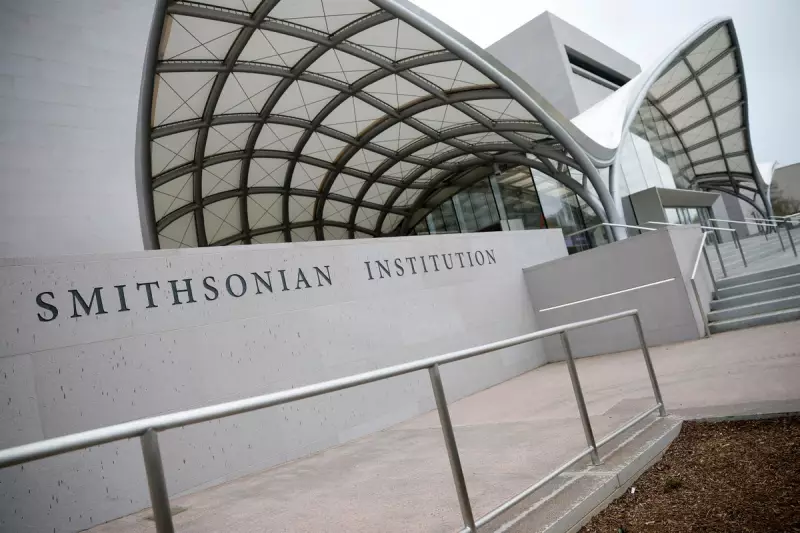
Smithsonian Institution Grapples with Political Pressure Over 250th Anniversary Plans
The Smithsonian Institution's vision for America's upcoming 250th anniversary celebrations remains clouded by significant political pressure from the Trump administration, according to recent reports. As the nation prepares to mark this historic milestone this summer, the revered museum, education, and research complex finds itself navigating an increasingly challenging ideological landscape.
Administration Demands Detailed Plans and Patriotic Focus
Smithsonian Secretary Lonnie Bunch III has reportedly sent documents about planned exhibits to the White House earlier this month, responding to the administration's specific demands for details about how its museums and programs will commemorate the country's 250th anniversary. This exchange follows a letter from White House budget director Russell Vought and domestic policy director Vince Haley to Bunch last month, which emphasised the administration's expectation that the Smithsonian would play a crucial role in the yearlong celebration.
The administration's correspondence made clear its position, stating: "We wish to be assured that none of the leadership of the Smithsonian museums is confused about the fact that the United States has been among the greatest forces for good in the history of the world." The letter further warned that "The American people will have no patience for any museum that is diffident about America's founding or otherwise uncomfortable conveying a positive view of American history."

Walking a Political Tightrope
Janet Marstine, a retired associate professor of museum studies at the University of Leicester, described Bunch's position as attempting to "walk a tightrope" between institutional independence and political demands. "Given President Trump's denial of the complexities of history and his penchant for retribution, Bunch has been forced to compromise the autonomy of Smithsonian museums," she told The Hill.
Marstine elaborated that Bunch must repeatedly assert the Smithsonian's independence while simultaneously providing materials to the White House on a rolling basis as requested. This delicate balancing act comes amid what The Hill describes as an "ideological battle" between the institution and the administration.
Recent Exhibit Controversies and Changes
The current tensions follow several previous controversies involving Smithsonian exhibits:
- In March, Trump issued an executive order claiming the Smithsonian had "come under the influence of divisive, race-centered ideology" and ordered officials to work with Congress to prohibit funding for exhibits deemed inconsistent with Federal law and policy.
- In August, the White House released a list of Smithsonian exhibits about gender, immigration, race and sexuality that it found objectionable.
- Over the summer, the Smithsonian removed then reinstated an exhibit about Trump's two impeachments, though museum officials described this as part of routine replacement rather than political pressure.
- Earlier this month, the National Portrait Gallery swapped out Trump's portrait and removed accompanying text referencing his impeachment and the January 6, 2021, Capitol attack, following complaints from a Trump administration official.
Ongoing Review and Engagement
Mark Paoletta, general counsel for the Office of Management and Budget, confirmed to The Independent that "The Smithsonian provided additional documents to the White House per the White House's letter requesting additional materials on exhibits." He added that "The documents are currently being reviewed, and we will continue to engage with the Smithsonian upon our review."
A Smithsonian spokesperson addressed the portrait gallery changes by stating the museum is "exploring quotes or tombstone labels, which provide only general information, such as the artist's name." The Independent has contacted the Smithsonian Institution for further comment on the anniversary planning process.

As America's 250th anniversary approaches, the Smithsonian Institution continues to navigate the complex intersection of historical commemoration, educational mission, and political expectations, with its final plans for the milestone celebration still evolving under significant scrutiny.





