Trust in Scottish Politics Tested by Law Officer Controversy
In an era where politicians frequently urge the public to "move on" from controversies, the latest scandal involving Scotland's most senior law officer has ignited fresh concerns about transparency and accountability. Dorothy Bain KC, the Lord Advocate, is under intense scrutiny after admitting she quietly informed First Minister John Swinney about embezzlement charges facing former SNP chief executive Peter Murrell.
Repeated Disclosures and a Weak Defence
It has now emerged that Bain provided this information not once, but twice to Swinney. Furthermore, over the weekend, it was revealed that she also told him that Nicola Sturgeon would not face prosecution in connection with SNP fraud allegations—before Sturgeon herself was informed. Bain's defence during a Holyrood session was widely criticised as unconvincing, with the Scottish Conservatives alleging the situation "smacks of corruption," a claim she firmly rejected.
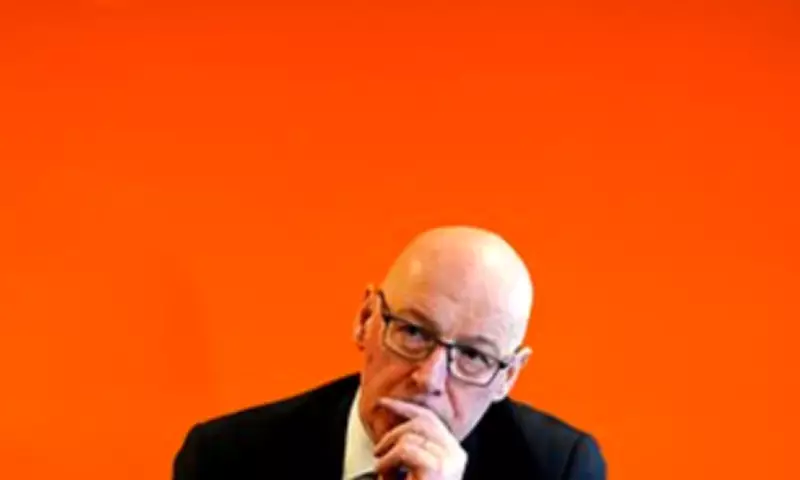
John Swinney dismissed suggestions that his party gained a political advantage from the early heads-up as "contemptible rubbish," urging the public to trust that the process was normal. However, this stance is increasingly difficult to accept given the structural issues at play.

The Politicisation of Prosecution Services
The core problem lies in the Lord Advocate's dual role: as the independent head of Scotland's prosecution service, Bain is also a government minister who attends Scottish Cabinet meetings "when required." This arrangement, in place for years, has long sparked accusations of bias and politicisation. Even Sir Keir Starmer has intervened, with the Prime Minister pledging that Labour would end this dual role if elected, despite Labour's original responsibility for the devolution setup.
Scottish Conservative leader Russell Findlay has escalated the pressure by accusing Bain of acting as a "cheerleader" for controversial SNP policies, such as failed attempts to remove juries in rape trials and lenient approaches to drug abuse. With calls for her resignation growing, the controversy shows no signs of abating.
A Culture of Secrecy and Cover-Ups
This incident is not isolated but part of a broader pattern of secrecy within the Scottish government. Despite Nicola Sturgeon's 2014 promise of more open governance, a culture of opacity has become entrenched. High-profile examples include the mass deletion of WhatsApp messages during the Covid pandemic, which hindered subsequent inquiries. Swinney and Sturgeon were among those who admitted to wiping their messages, while retired civil servant Ken Thomson boasted about "plausible deniability."
Last week, hundreds of pages of redacted documents related to the "Salmondgate" affair were released after a Freedom of Information battle. These papers concerned James Hamilton's 2021 investigation into whether Sturgeon misled MSPs over sexual harassment allegations against Alex Salmond. The extensive redactions have fueled perceptions of a cover-up, with Hamilton's report previously describing claims of a complainer's name being leaked by a Sturgeon official as "credible."
Parliamentary Frustrations and Electoral Reckoning
In Holyrood, former Tory leader Douglas Ross has repeatedly clashed with Presiding Officer Alison Johnstone, attempting to ask tough questions on issues like the SNP's transgender policies. He has been barred from parliament for challenging her rulings, portrayed as a troublemaker disrupting protocol. Yet, many Scots share his frustration over a government that often seems to evade scrutiny due to procedural decisions.
As the May 7 election approaches, there is little hope for a parliamentary committee to investigate these matters beforehand. However, the electorate may deliver their own verdict. John Swinney faces a moment of reckoning at the polls, with voters poised to judge an administration accused of treating them with "brazen contempt." The outcome could signal a much-needed cure for a political system perceived as increasingly sick.