
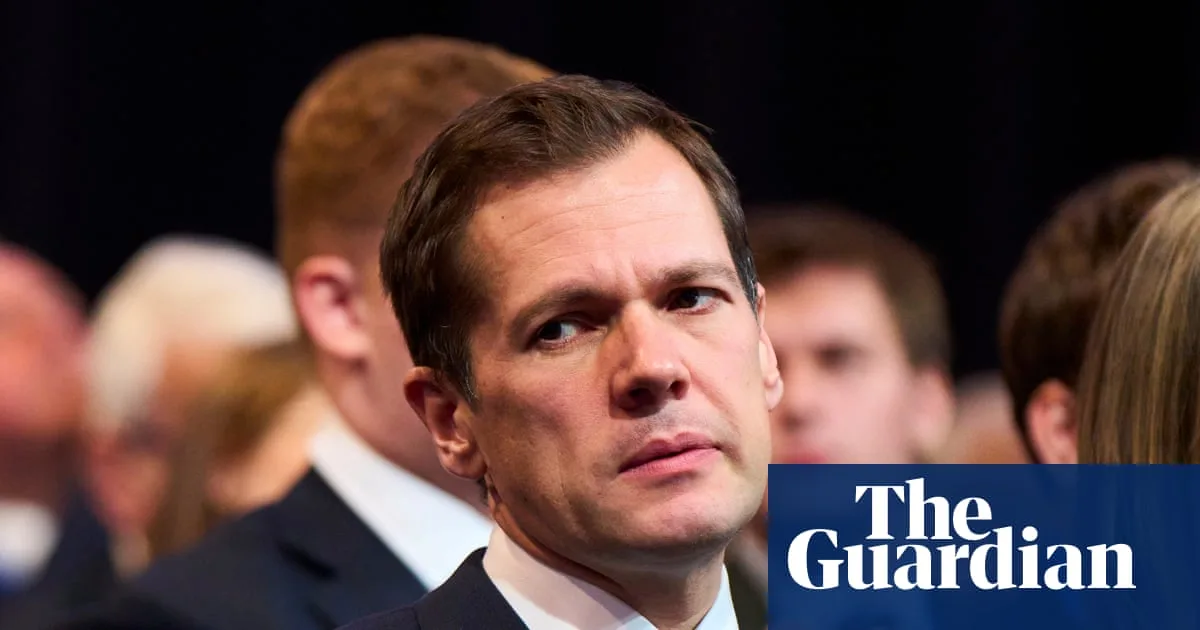
Kemi Badenoch has sacked Robert Jenrick from the shadow cabinet and suspended his Conservative party membership, citing “irrefutable evidence” that he was planning to defect to Reform UK. The Conservative leader accused the shadow justice secretary of plotting to leave the party in a manner designed to cause maximum damage to his colleagues and the wider party.
Badenoch did not name the destination party in her statement, but sources confirmed it was Nigel Farage’s Reform UK. She said: “I was presented with clear, irrefutable evidence that he was plotting in secret to defect in a way designed to be as damaging as possible to his shadow cabinet colleagues and the wider Conservative party.” She added that the British public are “tired of political psychodrama” and she would not repeat past mistakes.
Westminster sources indicated that Badenoch had been monitoring Jenrick’s activities for some time due to suspicions he was undermining the party. Concerns were heightened by the activities of his unofficial aides, known internally as the “grid of shit” plotters for their efforts to oust Rishi Sunak. Parts of a potential resignation speech, containing “vicious” criticism of shadow cabinet members including Mel Stride, James Cartlidge, and Priti Patel, were reportedly left unattended, leading senior Tories to believe a defection was imminent.
Farage, who is due to give a press conference in Westminster, denied that Jenrick’s defection was scheduled. He confirmed having had conversations with Jenrick, including a dinner last month, but said no agreement was reached. Farage suggested he would speak to Jenrick later, but warned that Reform UK members would not welcome individuals who bring “Tory infighting” with them.
Jenrick, a former immigration minister and leadership rival to Badenoch, has built a significant social media following. His defection would be the most high-profile move to Reform UK by a sitting MP, following that of former shadow minister Danny Kruger. One shadow cabinet minister noted that Jenrick had grown increasingly frustrated as Badenoch’s popularity rose after the Tory conference, adding: “Sad, but we all know why he was going to go – no vacancy at the top of the Tories. Now Farage will need to watch his back.”




