

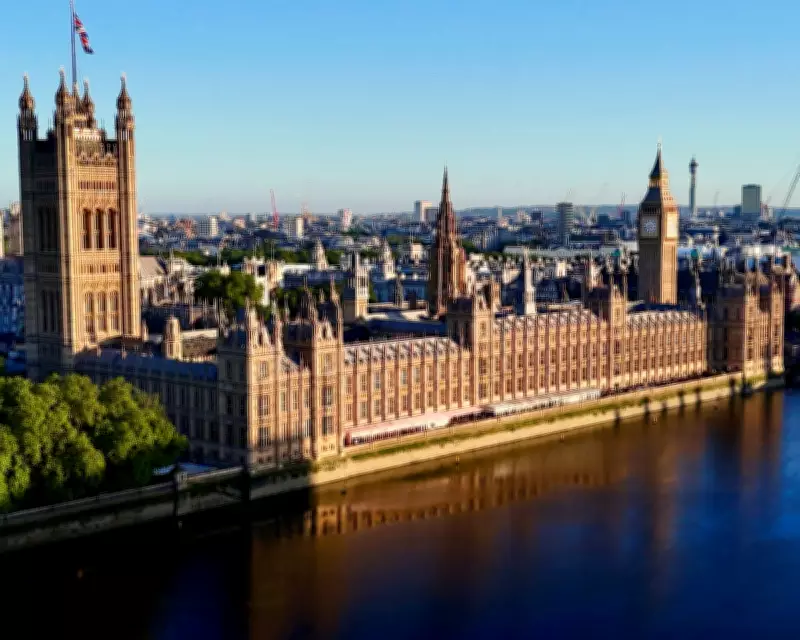
The Case for Moving Parliament Out of London
In a bold proposal to rejuvenate British democracy, experts are advocating for the relocation of the UK Parliament away from London. This idea aims to address the growing perception that Westminster is out of touch with the rest of the nation, suggesting that a move could symbolically and practically reconnect the government with its citizens.
Addressing Disconnection and Centralisation
The current concentration of political power in London has long been criticised for fostering a sense of detachment. By moving Parliament to a different region, proponents argue that decision-making would become more inclusive and reflective of the UK's diverse communities. This shift could help mitigate the centralisation that many believe undermines effective governance and public trust.
Historical and symbolic significance plays a key role in this debate. Westminster has been the heart of British politics for centuries, but its London-centric focus is seen by some as anachronistic in a modern, devolved United Kingdom. Relocating could signal a commitment to renewal and a break from outdated traditions that no longer serve the public interest.

Potential Benefits and Challenges
Potential benefits of such a move include economic regeneration for the chosen location, as it would attract investment, jobs, and infrastructure. Additionally, it could enhance political engagement by making Parliament more accessible to people outside the southeast, fostering a greater sense of national unity.
However, challenges abound. The logistical and financial costs of relocating a centuries-old institution are substantial, involving not just physical buildings but also the relocation of staff and services. There are also concerns about disrupting the established political ecosystem and the risk of creating new regional imbalances.
- Improved public trust through greater accessibility.
- Economic boost for the new host region.
- Symbolic step towards decentralising power.
Despite these hurdles, the proposal underscores a broader conversation about the future of British democracy. As the UK grapples with issues like devolution and post-Brexit identity, rethinking the location of Parliament could be a transformative step towards a more representative and resilient political system.






