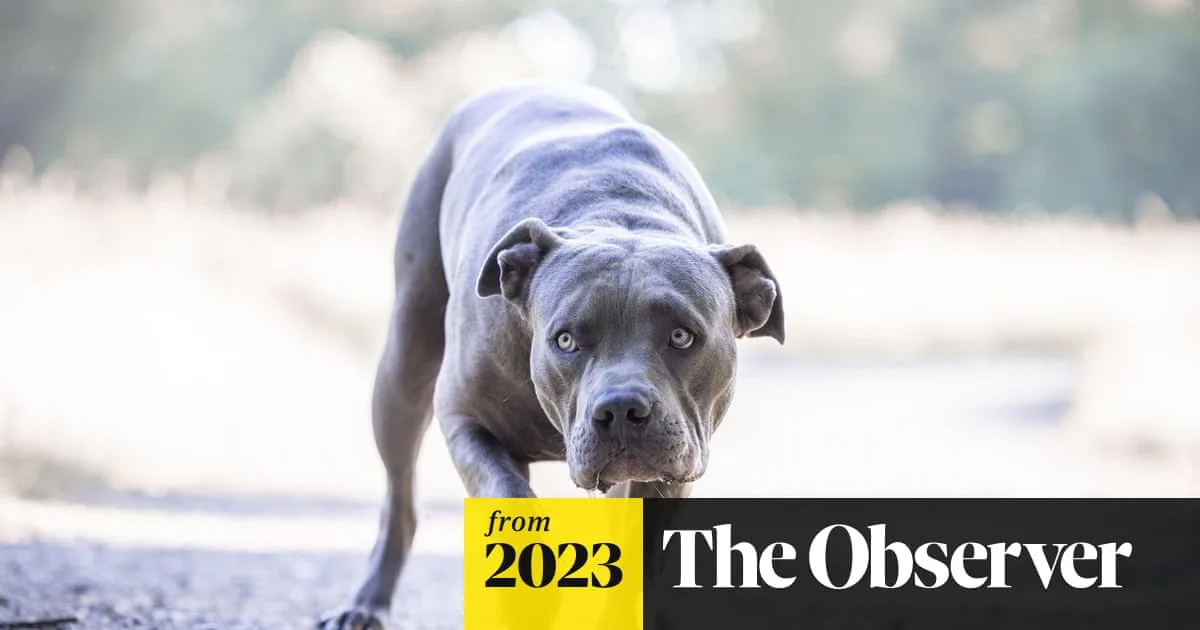
Experts have warned that the UK government's ban on American XL bully dogs may prove ineffective in the short term, citing limited police resources and potential court backlogs. Some police forces have only one or two trained dog legislation officers, raising concerns about enforcement capacity.
The ban, announced by Prime Minister Rishi Sunak on Friday, follows a series of attacks, including the fatal mauling of 52-year-old Ian Price in Stonnall, Staffordshire. Owners seeking exemptions for their dogs may overwhelm the courts, as they must prove their animal is not dangerous under the Dangerous Dogs Act.
Michael Barnett, a former dog legislation officer, described the move as a 'kneejerk reaction' and called for a focus on responsible ownership and breeding. He noted that large police forces may have only five or six trained officers to provide evidence in exemption cases, while smaller forces have even fewer.
Daniel Shaw, director of Animal Behaviour Kent, warned of 'lots of disputes in the courts' and argued that targeting a single breed is ineffective, as dog bites have risen since the 1991 Dangerous Dogs Act. Jeffrey Turner, a dangerous dogs assessor, said irresponsible owners are least likely to comply, making enforcement time-consuming.
The government plans to define the XL bully breed by a panel of experts, with a ban expected by year-end. Chief Veterinary Officer Dr Christine Middlemiss confirmed an 'amnesty' approach, requiring owners to register, neuter, muzzle, and insure their dogs, avoiding a cull. Campaign group Bully Watch supports the ban, while the RSPCA emphasises breed is not a reliable predictor of aggression.