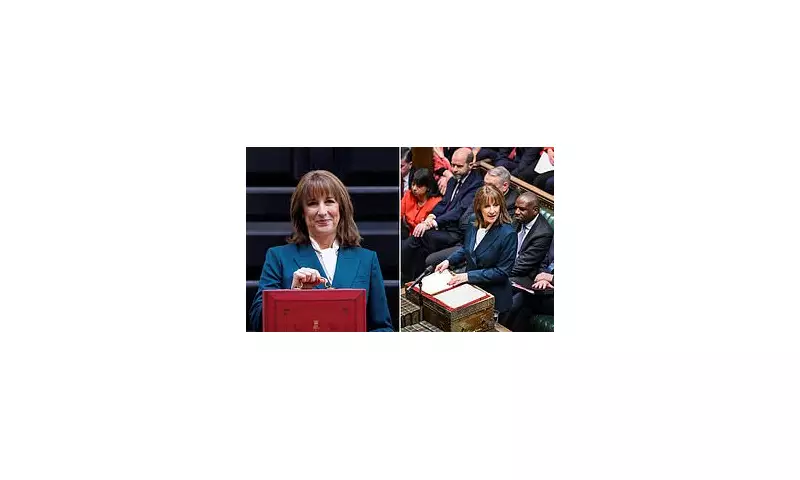
Chancellor Stands Firm on Tax Rises for the Wealthy
Chancellor Rachel Reeves has firmly stated that the wealthiest people in Britain must shoulder the responsibility for rebuilding the nation's 'creaky' public services. She defended her controversial budget, which increased the overall tax burden by a substantial £26 billion, arguing it is essential for improving schools, hospitals, and infrastructure across the UK.
A Budget of Burden and Defence
In an exclusive interview with The Guardian, Ms Reeves justified her position, linking the state of public infrastructure directly to the country's productivity. 'When you've got creaky infrastructure, you're not able to get the productivity benefits,' she stated. The Chancellor made it clear that the economic burden was deliberately designed to target wealth, not age. 'People who bear more of the burden are those with big incomes and assets … so I don't accept that,' she added, directly addressing her critics.
Amidst persistent rumours of leadership ambitions within her own party, Ms Reeves also claimed that Labour MPs are united in their desire for Prime Minister Sir Keir Starmer to succeed, drawing a stark contrast with the frequent leadership changes in the previous government.

Controversy and Accusations of Misleading the Public
The budget defence comes amidst a significant political storm. Ms Reeves has been accused of 'lying to the public and markets' after a revelation from the Treasury's independent watchdog, the Office for Budget Responsibility (OBR).
A bombshell letter from the OBR to the Treasury committee revealed that the Chancellor had been informed as early as September that revisions to tax revenues had almost completely offset a £21 billion productivity downgrade. Crucially, by October 31, the OBR confirmed she was meeting her fiscal rules with over £4 billion in headroom, negating the immediate need for the drastic tax measures she subsequently announced.
Despite this knowledge, in the run-up to the Budget, Ms Reeves delivered a series of grim warnings. In a highly unusual Downing Street speech on November 4, she hinted at breaching Labour's manifesto promises by raising income tax. Six days later, in a BBC interview, she insisted that without a tax hike, balancing the books would require deep, unacceptable cuts to capital spending.
However, the final budget package included an eye-watering £30 billion in tax rises, a large portion of which funded benefit increases demanded by Labour MPs. The idea of an income tax rise was only dropped after the decision was leaked to the Financial Times on November 17.
Downing Street has denied that Ms Reeves misled the country, with a spokesman stating she had been 'very clear' about her decisions and the challenges facing the nation. Nevertheless, the dramatic sequence of events has left the Chancellor facing intense scrutiny over her handling of the nation's finances and the justification for her landmark budget.