
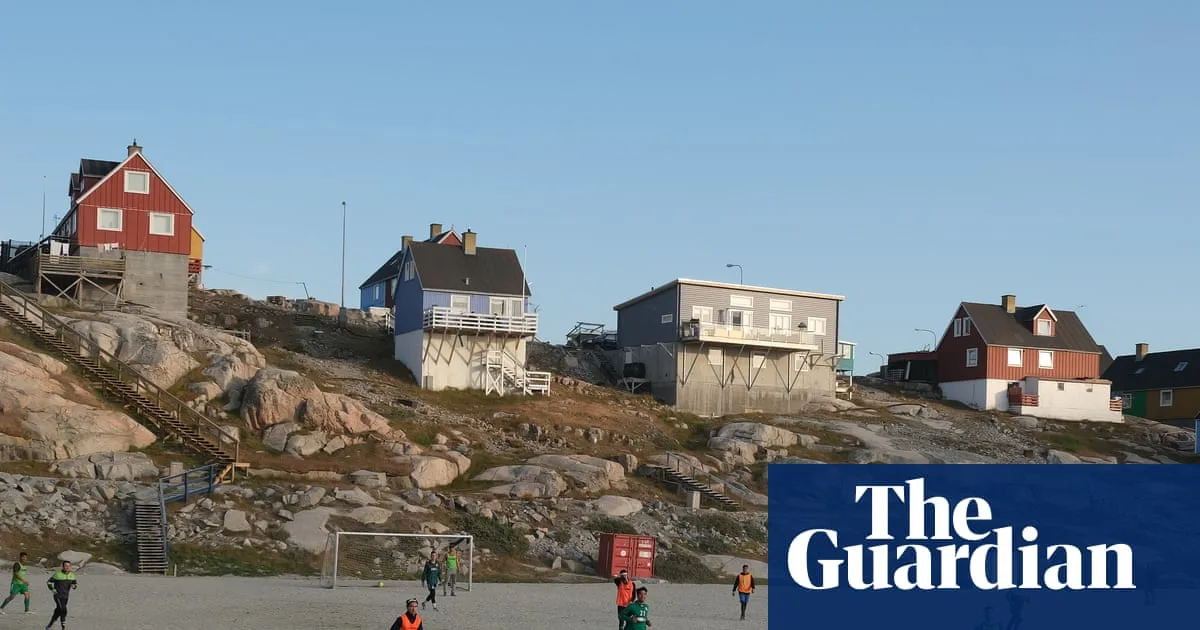
European football leaders have held informal talks about a potential response to Donald Trump's desire to annex Greenland, including the possibility of a boycott of the World Cup, which the US will co-host this summer. The discussions took place on the sidelines of an event in Budapest on Monday, attended by around 20 football association heads, amid growing concern over the situation.
The Guardian understands that the implications for the World Cup were among the topics raised, with some senior figures believing that military aggression by the US to take Greenland would be the tipping point for a Uefa-led boycott or other major protests. Trump has refused to rule out military action, and the US is set to host 78 of the 104 World Cup games in June and July.
Fifa's leadership, which has forged close ties with the Trump administration, considers a boycott unlikely at this point. However, calls for such action have intensified, with German politician Jürgen Hardt suggesting it as a last-resort option and a petition in the Netherlands nearing 90,000 signatures. Those present in Budapest were united by deep concern, to an extent not previously seen during Trump's presidency.
Most European football federations are expected to follow their governments' responses to the Greenland crisis, though some sources have pondered a more proactive approach. No definitive steps emerged from the talks, but discussions are likely to continue. Uefa's executive committee will next meet formally on 11 February in Brussels.
Greenland, which is not a member of any football confederation, had its ambition to join Uefa thwarted by a 2013 statute change forbidding non-independent regions. A fresh alteration has not been considered, and Concacaf rejected Greenland's application last year.




