
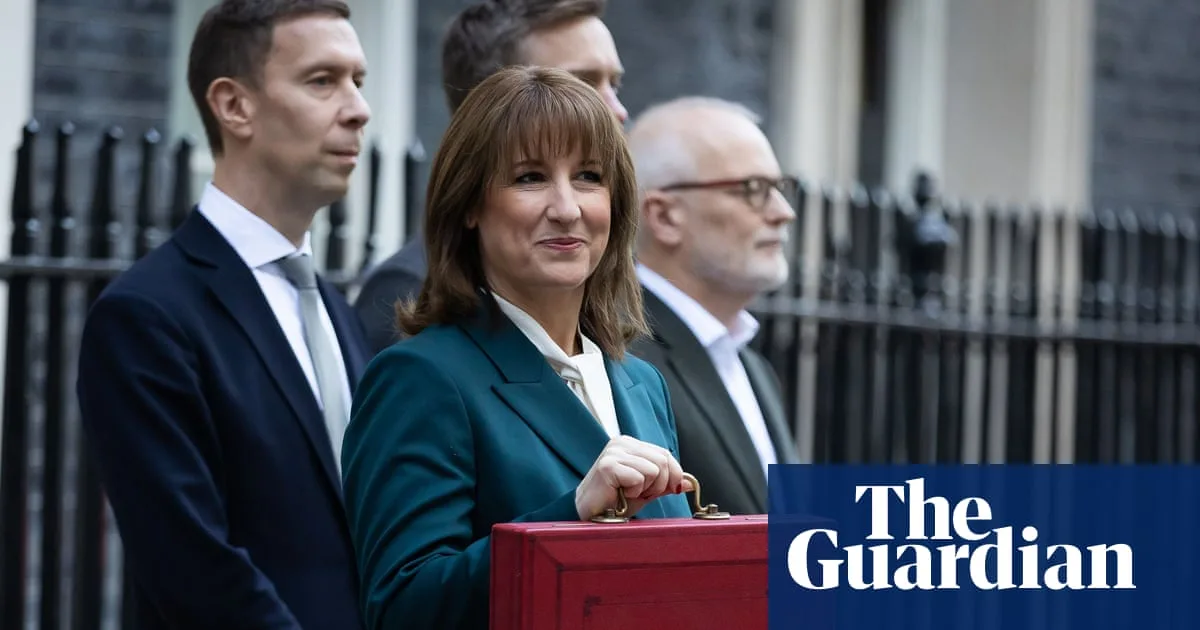
Chancellor Rachel Reeves has defended her £26bn tax-raising budget, which targets Britain’s wealthiest households to fund scrapping the two-child benefit cap and cutting energy bills. The measures include a new council tax surcharge on properties worth over £2m and a 2p increase in dividend and savings tax. Reeves insisted she wanted the wealthiest to pay the most, but the budget will push the tax take to an all-time high of 38% of GDP within five years.
The budget extends a freeze on income tax and national insurance thresholds for another three years, dragging 1.7 million workers into paying tax or into a higher band. The Office for Budget Responsibility (OBR) said the freeze would bring an additional 780,000 people into the basic rate, 920,000 into the higher rate, and 4,000 into the additional rate. By 2030-31, almost one in four taxpayers will be paying higher or additional rates due to fiscal drag.
Labour MPs privately expressed alarm at the impact on the “squeezed middle”, including nurses, teachers, and police officers. However, others praised the decision to spend £3bn a year on scrapping the two-child benefit limit, which the government says will lift 450,000 children out of poverty. One senior strategist said the budget shows Labour is a “full-blooded Labour government”, while another minister warned it “does nothing to move the fundamentals” of the economy.
Financial markets responded positively, with 10-year gilt yields falling 0.07 percentage points to 4.41%, lowering borrowing costs. The OBR predicted real disposable household income would rise by just 0.25% a year over the forecast period, weaker than previously expected. Reeves doubled her fiscal buffer to £21.7bn, exceeding the £10bn target.
Reeves defended the threshold freeze, arguing it did not break the Labour manifesto, which only pledged not to raise rates of income tax, NI, and VAT. She acknowledged it would have a cost for working people. The budget also removes green subsidies from energy bills, cutting them by an average of £150 a year from April, and freezes rail fares.




