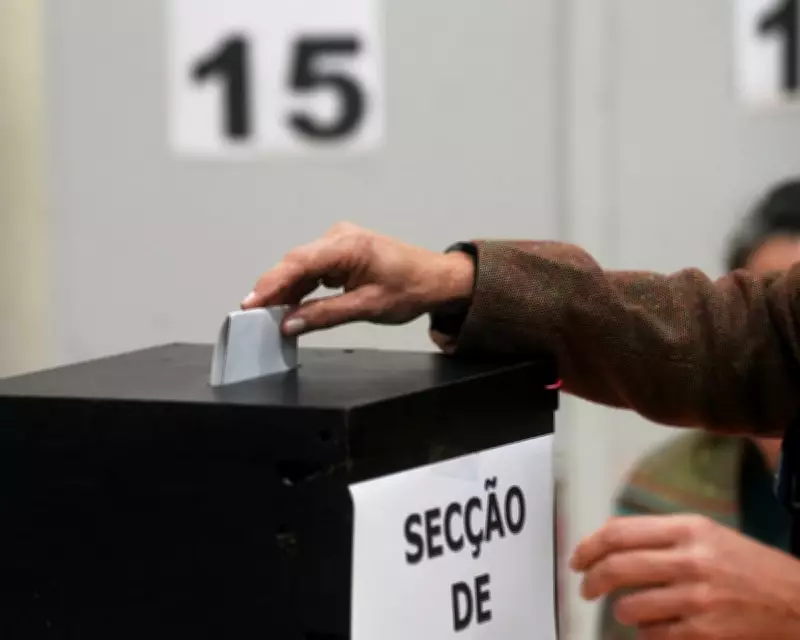
Portugal's presidential election is set for a decisive second round after the initial vote failed to produce a clear winner, with Socialist candidate Seguro and far-right contender Ventura emerging as the top two candidates. The runoff, scheduled for later this month, will determine the country's next head of state in a closely watched contest that reflects broader political shifts across Europe.
First Round Results and Political Implications
In the first round of voting, Seguro secured a significant but insufficient lead, falling short of the majority required to avoid a runoff. Ventura, representing a far-right party, garnered substantial support, capitalising on voter discontent over issues such as immigration and economic stability. This outcome marks a notable shift in Portugal's political landscape, traditionally dominated by centrist and left-leaning parties.
Candidate Profiles and Campaign Strategies
Seguro, a seasoned politician from the Socialist Party, has campaigned on a platform of social welfare, environmental sustainability, and European integration. His experience in government and moderate stance have appealed to traditional voters seeking continuity. In contrast, Ventura has leveraged populist rhetoric, focusing on national sovereignty, stricter immigration controls, and economic protectionism, which has resonated with segments of the electorate frustrated by globalisation and domestic challenges.

The campaign has been characterised by intense debates and heightened media scrutiny, with both candidates mobilising their bases through rallies and digital outreach. Analysts note that the runoff could hinge on turnout and the ability to attract undecided voters, particularly from centrist and independent blocs.
Broader European Context and Voter Sentiment
This election occurs against a backdrop of rising far-right influence in Europe, with similar trends observed in countries like France and Italy. Portugal's runoff is seen as a test of resilience for mainstream politics in the region. Voter turnout in the first round was robust, indicating high public engagement, though concerns about polarisation and misinformation have been raised by observers.
Economic and Social Factors at Play
Key issues influencing the election include Portugal's economic recovery post-pandemic, housing affordability, and healthcare access. Seguro has emphasised investment in public services and green energy, while Ventura has criticised EU policies and advocated for nationalistic economic measures. The outcome may impact Portugal's domestic policies and its role within the European Union, with potential implications for trade, diplomacy, and regional stability.
As the runoff approaches, both candidates are expected to intensify their campaigns, with polls suggesting a tight race. The result will not only shape Portugal's presidency but also signal broader political directions in an era of increasing global uncertainty.