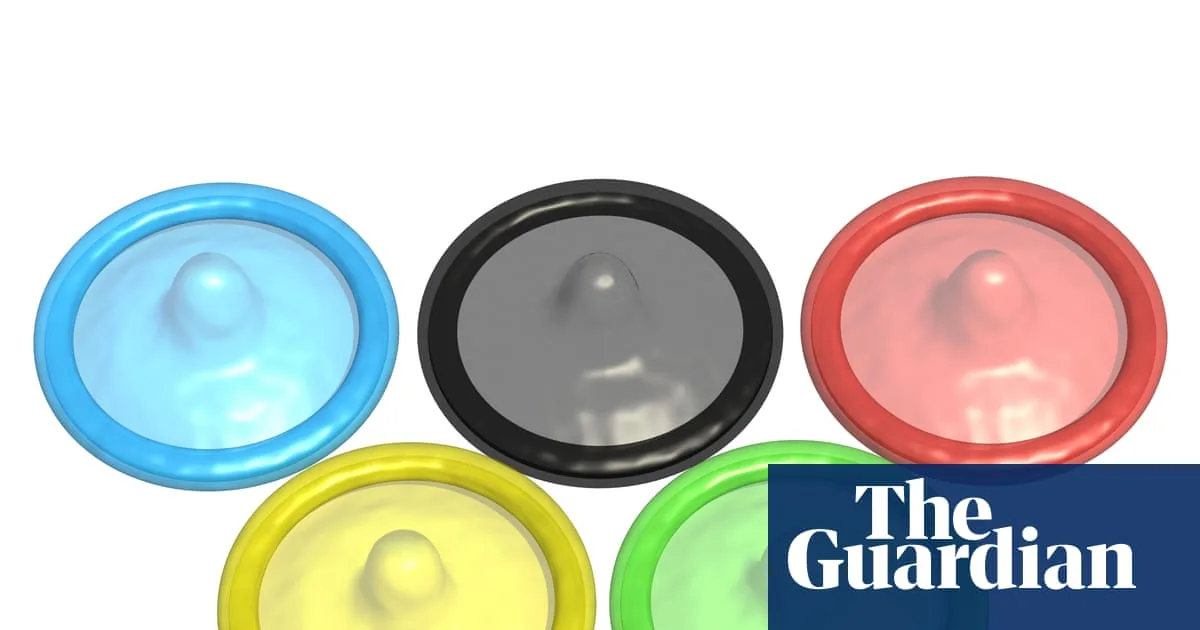
Winter Olympics Condom Crisis: 10,000 Freebies Exhausted in Just Three Days
Winter Olympics Condom Shortage: 10,000 Gone in 3 Days

Organisers of the Milano Cortina 2026 Winter Olympics have faced an unexpected logistical crisis, as the entire supply of 10,000 free condoms provided to athletes was exhausted in just three days. This stark shortage comes despite the notorious reputation of the Olympic Village for fostering a lively and intimate atmosphere among competitors.

A Drastic Reduction in Supply

In a surprising move, the number of condoms distributed at these Winter Games has plummeted dramatically compared to recent events. At the Paris 2024 Summer Olympics, a staggering 200,000 condoms were made available to participants. However, for the current Winter Games in northern Italy, featuring nearly 3,000 athletes, only a fraction of that amount—a mere 10,000—was initially provided.

Anonymous Athlete Speaks Out

An athlete, who chose to remain anonymous, revealed the extent of the shortage to Italian newspaper La Stampa on Thursday. "The supplies sold out in just three days," the competitor stated. "They promised us more will arrive, but who knows when." This rapid depletion highlights a significant miscalculation by event chiefs, who aimed to promote health and safety through free contraceptives but clearly underestimated the demand.

Historical Precedents and Current Measures

This is not the first instance of condom shortages at the Olympics. During the Sydney 2000 Games, organisers had to urgently order an additional 20,000 condoms after their initial allocation of 70,000 was completely used up. In an attempt to curb off-camera activities, Olympic officials have also introduced so-called 'anti-sex' beds with a slimmed-down cardboard design. However, these measures appear to be ineffective, as the condom shortage suggests.

Health Risks and Official Warnings

The potential for an outbreak of sexually transmitted infections poses a serious threat to the Games. Athletes arriving in Milan were greeted with the message: "Health first: prevention and common sense." This underscores the critical importance of adequate contraceptive supplies to safeguard public health during the event.

Insights from a Former Olympian

A former Olympic gold medallist, speaking anonymously in a 2012 interview with CNN, shed light on the pervasive sexual activity within the Olympic Village. "Anyone who wants to be naive and say they don’t know what’s going on in the village are lying to themselves," the athlete asserted. "They know, the officials know, even the media. It’s not a secret, everyone knows! [Sex] is all part of the Olympic spirit."

The former champion elaborated on the communal understanding among participants, noting that volunteers were often willing to assist with various needs. "My roommate and I would put something on the door so we would know if the other was ‘busy’," they recalled. Despite concerns from coaches, the athlete added that such activities did not negatively impact performance, stating, "When I raced after sex I felt light on my feet. We were young and most of the people I hung out with were single."

Broader Implications and Future Considerations

The condom shortage at the Milano Cortina Games raises questions about the planning and resource allocation for future Olympic events. With the Winter Olympics running from February 6 to 22, 2026, and over 850 hours of action broadcast live on discovery+, the focus on athlete welfare and health precautions remains paramount. Organisers must now address this oversight promptly to prevent potential health disasters and ensure a safe environment for all competitors.