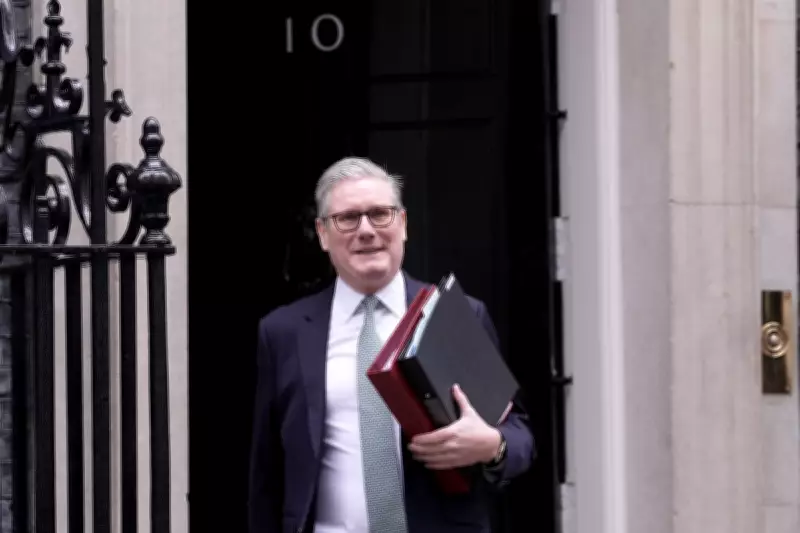
Prime Minister Sir Keir Starmer has publicly stated that his former communications chief, Lord Matthew Doyle, failed to provide a complete account of his actions during the process of his appointment to the House of Lords. This revelation comes amid a growing controversy over Lord Doyle's links to a paedophile councillor, which has sparked intense scrutiny of the Prime Minister's judgment and decision-making.
Background of the Peerage Controversy
Lord Doyle, who previously served as Sir Keir Starmer's communications chief, was appointed to the House of Lords, but his elevation has been overshadowed by his association with Sean Morton, a Moray councillor. Morton faced charges related to indecent images of children in 2017, and Lord Doyle campaigned for him during that period, despite the serious allegations. This connection has raised significant ethical and political questions, particularly regarding the vetting process for peerages.
No 10's Awareness and Response
Number 10 Downing Street has clarified that it was not aware of Lord Doyle's campaigning activities for Sean Morton at the time of his appointment to the Lords. However, critics argue that this friendship was public knowledge, suggesting a potential oversight in the selection process. The Prime Minister addressed this during Prime Minister's Questions, where he faced direct accusations from Tory leader Kemi Badenoch.

Badenoch claimed that Sir Keir Starmer knew about Lord Doyle's association with Morton when the peerage was confirmed. In response, Sir Keir emphasised that Lord Doyle did not give a full account of his actions, leading to swift disciplinary measures. He stated, "On Monday I promised my party and my country there will be change, and yesterday I removed the whip from Matthew Doyle." This action signifies the Labour Party's commitment to accountability and transparency in the wake of the scandal.
Implications for Political Judgment
The removal of the Labour whip from Lord Doyle highlights the broader implications for political judgment and integrity within the government. This incident has fueled debates about the standards expected of public figures and the mechanisms in place to ensure thorough background checks for high-profile appointments. It also underscores the ongoing challenges in balancing political loyalty with ethical governance.
As the story develops, further questions may arise about the extent of Lord Doyle's involvement with Morton and whether other officials were aware of these ties. The Prime Minister's handling of the situation will likely be closely monitored by both political opponents and the public, as it reflects on his leadership and the values of his administration.