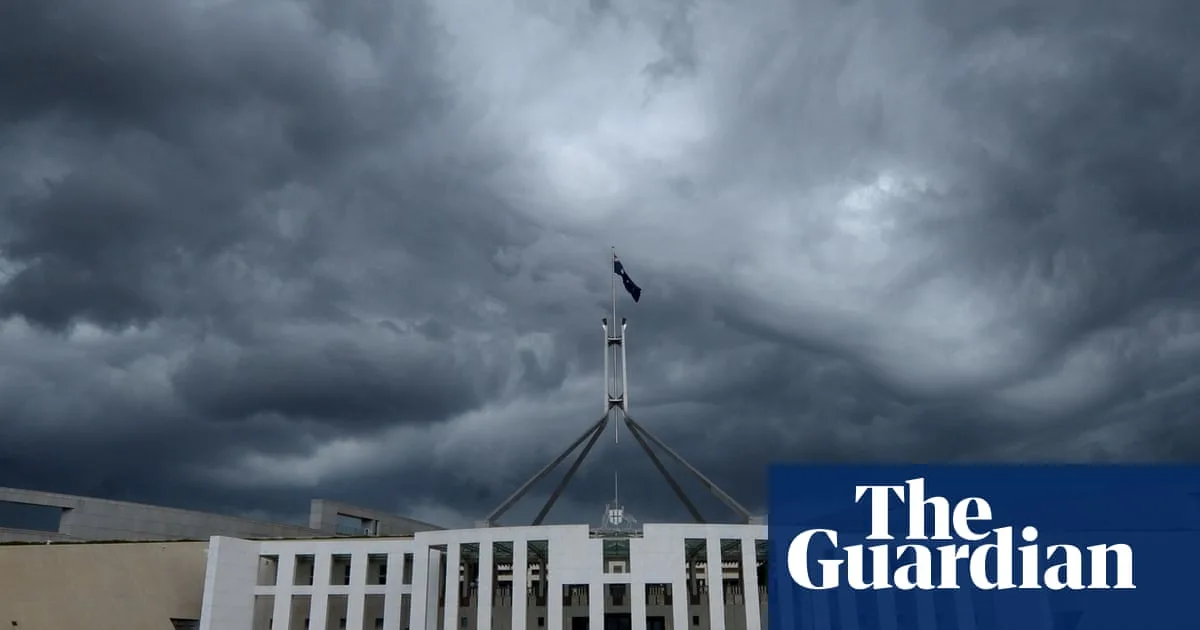
Australia has long been viewed as a bastion of democratic resilience, bucking the global trend of populist right-wing surges seen in the United States and Europe. However, after two decades of growing inequality and policy stagnation, the country's robust democratic formula is facing unprecedented challenges.
Historians have noted Australia's democratic exceptionalism, with innovations such as the secret ballot and compulsory voting, which have helped maintain high voter turnout and political stability. Compulsory voting, introduced in 1924, is credited with reducing polarisation and ensuring that the interests of disadvantaged groups are not marginalised.
Far-sighted political leadership in the late 20th century, under Labor governments led by Bob Hawke and Paul Keating, as well as the early Howard government, laid the groundwork for strong economic performance that insulated Australia from the worst effects of austerity and living standard declines seen elsewhere. This included weathering the global financial crisis relatively unscathed.
Yet, contemporary conservative Liberals appear to be adopting regressive ideas from the United States, threatening the country's democratic distinctiveness. The paradox is that while overseas centrists look to Australia as a sanctuary from populism, domestic politics may be moving in the opposite direction.