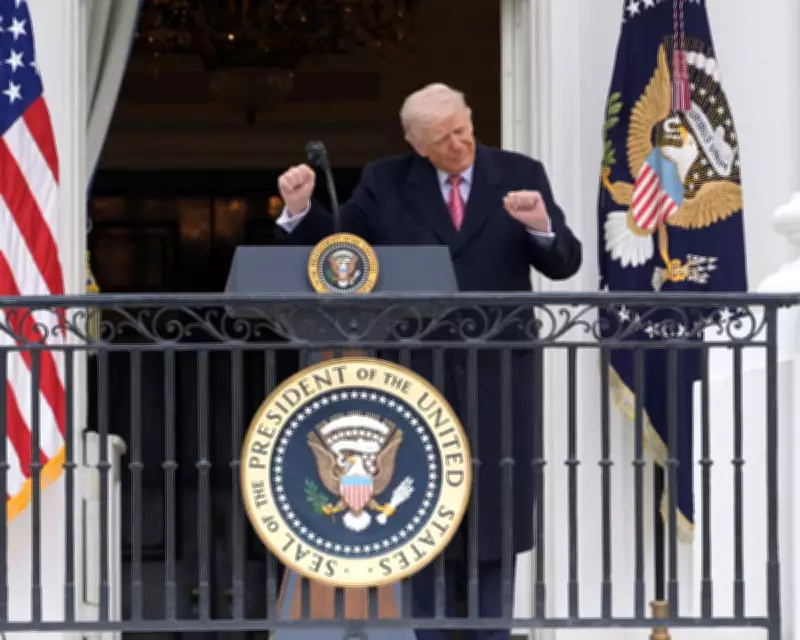
Donald Trump's presidency continues to baffle and unsettle the international community, with his recent actions toward Iran highlighting a pattern of volatility that defies conventional diplomacy. At a White House event for American farmers on 27 March, Trump's rhetoric underscored a leader driven by personal whims rather than strategic foresight, leaving many to wonder how to respond effectively.
The Dual Nature of American Power
The United States showcases a stark duality in its global engagements. On one hand, it pushes the boundaries of human achievement, such as reviving lunar exploration. On the other, Trump threatens to send Iran "back to the stone ages," echoing past misadventures like the Vietnam War. This contradiction raises critical questions about the direction of American leadership under his administration.
A Personal Vendetta with Global Repercussions
Trump's approach to Iran appears less about national interest and more about personal vanity, amplified by alliances with figures like Vladimir Putin. These leaders, wielding immense power, have propelled the world toward collective instability. While Iran has long been a destabilising force in the Middle East, Trump's shift from criticising past interventions to initiating new conflicts reveals the seductive pull of presidential office, leading to reckless violence.

His inconsistent statements—alternately claiming to dismantle Iran's nuclear capabilities and citing them as a casus belli—create a fog of war that complicates international responses. This mirrors earlier escalations, where each failed military stage prompts bloodier follow-ups, despite Trump's initial pledges against ground troops.
Constitutional Safeguards Under Strain
Internal checks within the White House, once provided by so-called grownups, have dwindled, leaving Trump surrounded by loyalists. Discussions of invoking the 25th amendment to declare him unfit for office remain speculative, with low odds of success. Meanwhile, Congress and the Supreme Court have shown little appetite for curbing his actions, cowed by his political influence and electoral base.
The upcoming midterm elections offer a glimmer of hope, likely delivering a Democrat majority that could impose vetoes on emergency powers and revive impeachment efforts. However, Trump's defiance, including threats to abandon NATO and impose tariffs on allies, suggests a deliberate strategy to alienate traditional partners.
The Global Strategy of Patience
For European powers and other allies, the wisest course may be to play for time. Staying aloof from the Iran conflict while supporting Ukraine demonstrates a pragmatic approach to navigating Trump's unpredictability. The 22nd amendment, which limits presidential terms, serves as a crucial safeguard, ensuring that Trump's influence will wane post-election.
As his base weakens, opposition voices in Congress, industry, and media will gain strength, paving the way for a concerted effort to repair damaged global relations. This recovery will require significant work, but it is inevitable under future leadership.
Lessons for the UK and Europe
Keir Starmer's call for realism in UK-European cooperation on economic and defence security highlights the need for unity. Moving beyond Brexit-era divisions, the continent must act collectively to withstand this turbulent period. By focusing on long-term alliances and trust, the world can eventually put Trump's era behind it, restoring stability and cooperation.
In summary, while Trump's actions pose immediate challenges, the global community's best response is to wait him out, strengthen democratic institutions, and prepare for a post-Trump rebuilding phase. This strategy, though demanding, offers the most realistic path forward in an era marked by uncertainty and disruption.