
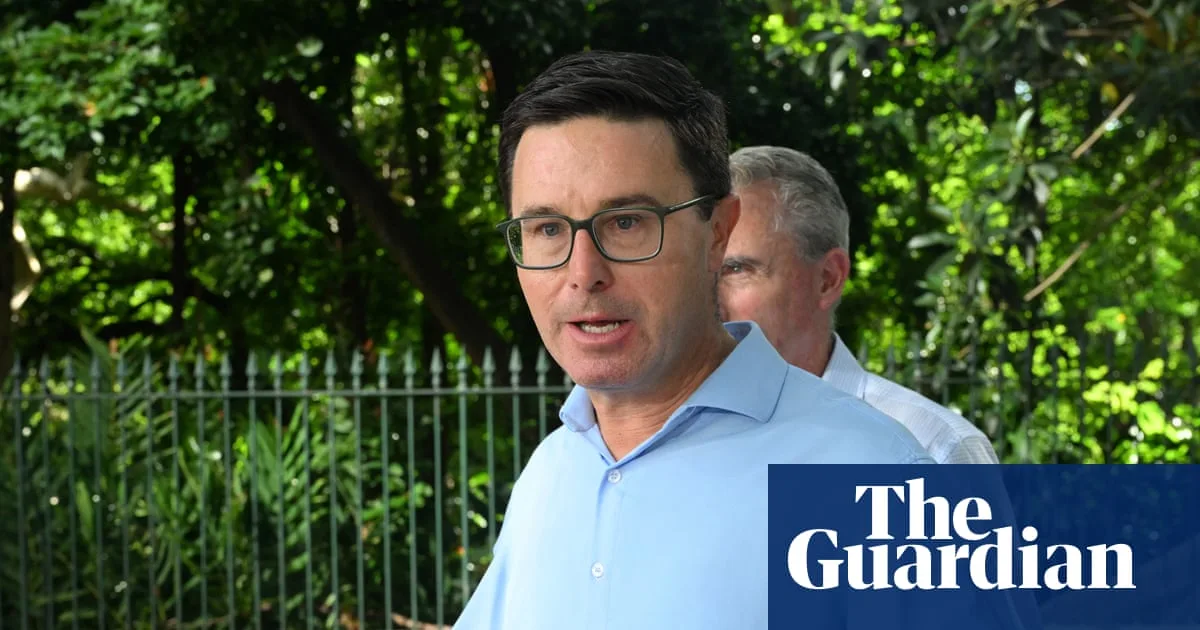
The entire Nationals frontbench has resigned from the opposition shadow ministry, plunging the Coalition into its biggest crisis in decades. All eight remaining frontbenchers, including leader David Littleproud, stepped down after a bitter dispute over Labor's hate speech laws.
The walkout was sparked on Tuesday night when senators Bridget McKenzie, Ross Cadell and Susan McDonald crossed the floor to support a One Nation motion, defying the Coalition whip. It was the second such rebellion by McKenzie and Cadell, who had joined forces with Pauline Hanson's party on a migration inquiry in September.
Littleproud had warned opposition leader Sussan Ley in a leaked letter that accepting the senators' resignations would trigger a mass walkout. His threat was carried out on Wednesday, leaving the opposition ministry decimated and the Coalition agreement in tatters. Ley's subsequent attempt to pause the crisis is seen as unlikely to save her leadership.
Observers argue the collapse stems not from principled policy differences but from ego, ideology and arrogance within the Nationals, who have drifted from representing regional Australia. The party has been criticised for blocking climate action, shunning transparency, and courting right-wing media and wealthy donors.
The lack of authority commanded by Ley and Littleproud has been exposed, with backbencher Matt Canavan wielding significant influence over policy and politics. The turmoil is expected to benefit Labor, with Prime Minister Anthony Albanese facing an opposition in disarray as parliament resumes.




