

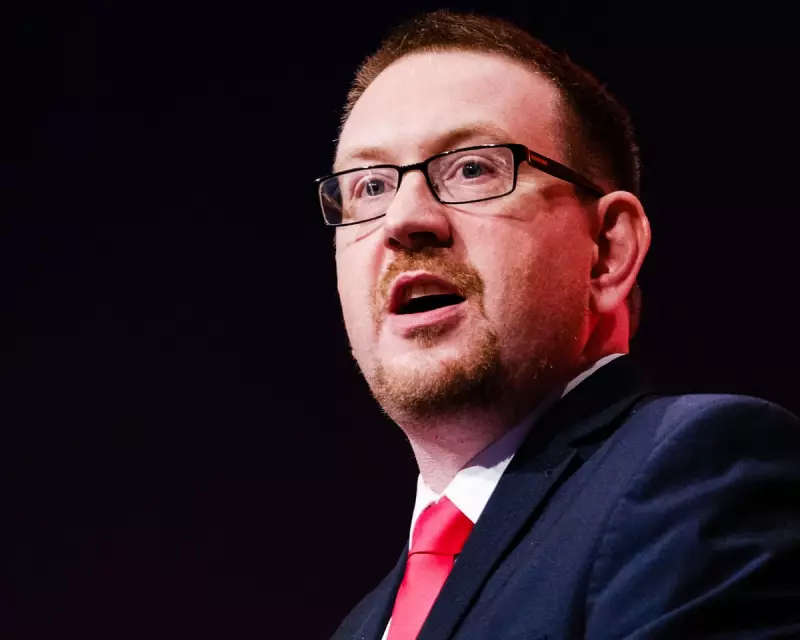
A significant development in Westminster politics has emerged, with reports confirming that Labour MP Andrew Gwynne has reached a settlement regarding his parliamentary pension that would permit him to retire on medical grounds. This arrangement could potentially trigger a by-election in his Gorton and Denton constituency, opening a new pathway for Greater Manchester Mayor Andy Burnham to return to the House of Commons.
Political Implications for Labour Leadership
The pension agreement comes amid speculation about Burnham's political ambitions. The mayor has been widely rumoured to be considering a return to parliament should an opportunity arise to challenge Sir Keir Starmer for the Labour leadership. Burnham's options for securing a parliamentary seat in the north-west had previously appeared limited, making Gwynne's potential retirement particularly significant.
Contradictory Statements and Ongoing Investigations
Gwynne has previously denied any plans for early retirement, stating last autumn that he intended to serve the full parliamentary term after reportedly withdrawing an earlier request for a pension settlement. The MP is currently suspended from the Labour Party and remains subject to a parliamentary standards investigation initiated last year.

The investigation was launched after Gwynne was found to have participated in a WhatsApp group that shared inappropriate and inflammatory comments about voters and fellow parliamentarians. His suspension followed the revelation of these messages, creating a complex backdrop to the current pension developments.
No Formal Pact Between Politicians
While some Westminster sources have suggested the existence of an agreement between Gwynne and Burnham regarding the latter's potential candidacy in a by-election, Gwynne has explicitly denied any such pact. The situation remains fluid, with multiple political factors influencing potential outcomes.
Nomination Hurdles and Party Dynamics
Should Burnham decide to pursue a parliamentary return through a by-election, he would face significant procedural challenges. The Labour Party's National Executive Committee, currently dominated by Starmer loyalists, would determine the candidate selection process. There is speculation that the NEC could impose an all-female shortlist to block Burnham's nomination, though such a move would likely cause considerable discontent among party members and MPs.
Additionally, the financial implications of a by-election for the mayor of Greater Manchester position would be substantial, potentially costing the party millions of pounds to organise and contest.
Electoral Landscape and Reform UK Challenge
Any by-election in Gorton and Denton would likely see Reform UK mounting a significant challenge, despite Gwynne's current 18,000-vote majority in this south-eastern Manchester constituency. The political climate has shifted since the last general election, making electoral outcomes increasingly unpredictable.
Leadership Challenge Requirements
For Burnham to mount a formal challenge against Starmer for the Labour leadership, he would need to secure nominations from at least 80 Labour MPs—a substantial hurdle that would require significant support within the parliamentary party. This requirement adds another layer of complexity to any potential return to Westminster.
The situation continues to develop, with Gwynne's office yet to provide official comment on the pension settlement reports. Political observers are closely monitoring developments, recognising the potential for significant realignment within Labour's northern power structures and leadership dynamics.






