Andrew Mountbatten-Windsor's Trade Envoy Role Under Scrutiny Amid Arrest
Mountbatten-Windsor's Trade Envoy Role in Focus After Arrest

Andrew Mountbatten-Windsor's Trade Envoy Role Under Scrutiny

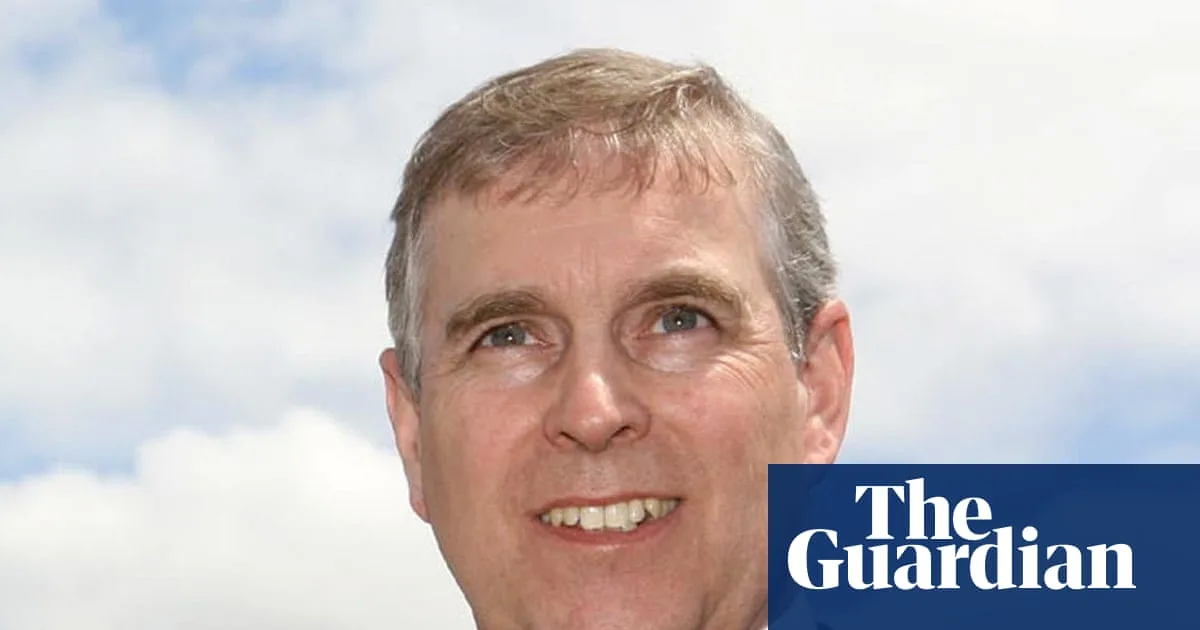
Andrew Mountbatten-Windsor, pictured in 2009 during his tenure as the special representative for international trade and investment, has been arrested on suspicion of misconduct in public office, bringing his former high-profile role into sharp focus. He denies any wrongdoing, but the arrest has reignited questions about the nature and impact of his position.

What Was the Trade Envoy Job?

The Duke of York, as he was then known, was appointed as the UK's special representative for international trade and investment in October 2001. According to UK Trade & Investment, the role involved an extensive programme of targeted engagements both domestically and overseas to promote UK industry and national interests. In essence, it encompassed high-level lobbying and handling sensitive confidential briefs on investment opportunities, requiring close coordination with UK trade and diplomatic missions abroad.

Appointment and Political Backing

He began the role during Tony Blair's Labour government after retiring from the navy in July 2001. In 2011, No 10, under the Conservative and Liberal Democrat coalition, clarified that the appointment was made with the agreement of then Foreign Secretary Jack Straw and Trade and Industry Secretary Patricia Hewitt. Support for Mountbatten-Windsor extended beyond Labour; in 2011, Conservative ministers like Chancellor George Osborne endorsed him, praising his efforts in promoting British exports. Former trade minister Digby Jones also defended him, stating he had put the country first.

Wide Pickt banner — collaborative shopping lists app for Telegram, phone mockup with grocery list

Controversial Choice from the Start

Mountbatten-Windsor was a controversial choice from the outset due to his reputation as a playboy prince. Author Andrew Lownie, in his book Entitled, details how former trade secretary Peter Mandelson assisted in securing the role, while his brother, then Prince Charles, attempted to block it, citing concerns about discretion and potential disgrace.

Key Meetings and International Ties

The role involved meetings with UK and international business figures and foreign leaders to facilitate introductions. While some engagements were mundane and useful, dealings with allegedly corrupt regimes, such as Kazakhstan, caused awkward publicity. Notably, Timur Kulibayev, son-in-law of the Kazakh president, bought Mountbatten-Windsor's former house at Sunninghill Park in 2007 for an alleged £3 million over the asking price. Ties persisted, with Mountbatten-Windsor meeting the UK's BG Group multiple times in Kazakhstan in 2010. In 2011, links to Saif Gaddafi, son of Libyan leader Muammar Gaddafi, led to calls for his removal from the role.

Compensation and Costs

Mountbatten-Windsor did not receive a salary for the post, but expenses and travel costs were covered. In 2011, an MP estimated these costs had reached about £4 million over ten years, excluding protection officer expenses.

Legacy and Modern Trade Envoys

Despite controversies, the role could benefit the UK, and the country continues to use trade envoys, including parliamentarians in region-specific roles and high-profile figures like former cricketer Ian Botham, appointed as a UK trade ambassador to Australia in 2021.




