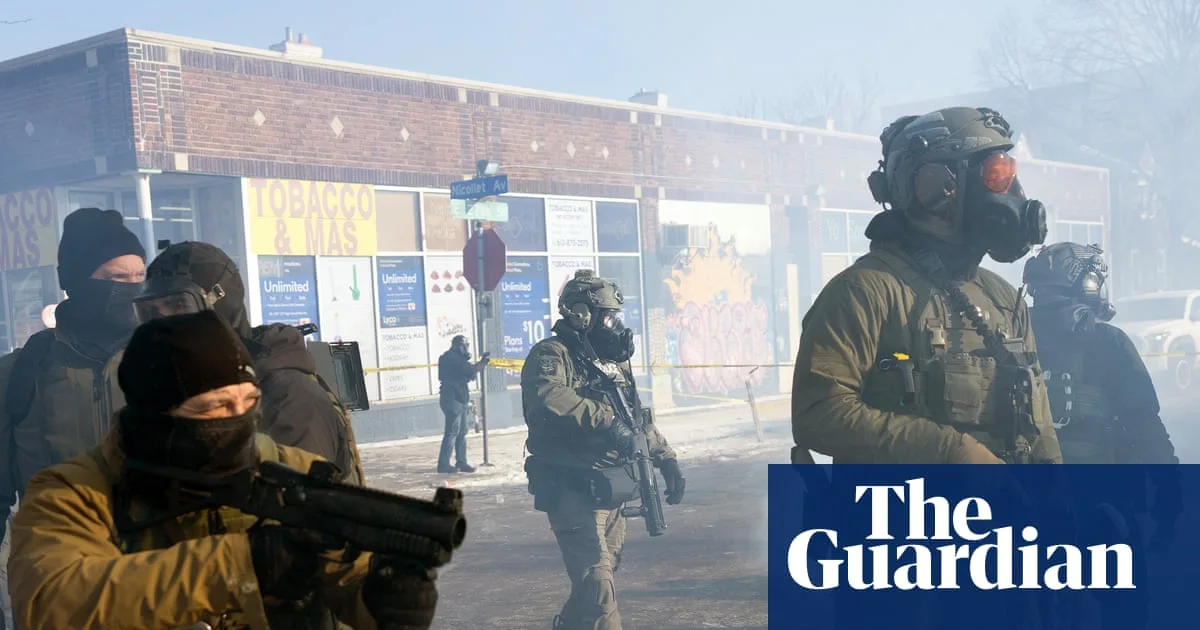
The Trump administration resisted expanding body cameras for immigration officers and reduced oversight staffing while intensifying enforcement operations across US cities, including Minneapolis, where agents fatally shot two American citizens in January. The shootings, including that of ICU nurse Alex Pretti, have highlighted the role of video evidence in challenging official accounts that portray victims as aggressors.
Last year, the administration moved to slow a pilot program providing body cameras to Immigration and Customs Enforcement (ICE) officers, urging Congress to cut funding by 75%. Officials also placed nearly all staffers for three internal watchdog offices on paid leave, undermining their capacity to investigate abuses. A former ICE director said the pilot program 'died on the vine' under Trump.
At least three border patrol agents at the scene of Pretti's shooting wore body cameras, and administration officials said the footage is under review. However, top officials have been quick to label the deceased as aggressors rather than call for thorough investigations. Trump escalated immigration enforcement after Republicans passed a $170bn bill for the crackdown.
Pretti's death has galvanised Democratic senators who oppose a Homeland Security spending bill unless it reins in enforcement. The House-passed bill provides $20m for cameras but does not require their use. The administration's budget proposal sought to cut the camera program's staff from 22 to three employees, calling it a 'streamlined' approach.
Critics note that officers often do not bring cameras when detailed outside their normal areas, a concern as agents are surged nationwide. The Department of Homeland Security did not respond to requests for comment. A lawsuit over the reduction of oversight staff argues the move violates federal law.