The UK government is drawing up contingency plans to curb oil demand, including lowering speed limits and promoting working from home, amid the Middle East crisis threatening global oil supplies. The International Energy Agency (IEA) has recommended these measures to its member states, including the UK, as US-Israel strikes on Iran trigger soaring oil prices and supply concerns.
Sources stressed there is no current fuel shortage in the UK, but officials from the Department for Transport and the Department for Energy Security and Net Zero (DESNZ) are analysing potential demand-reduction measures. The IEA advises encouraging shared transport, efficient driving, and avoiding air travel where possible, alongside diverting liquid petroleum gas from transport to essential domestic use.
The UK's national emergency plan for fuel shortages, last updated in 2024, includes petrol rationing and limiting filling station hours. Critical service vehicles would be prioritised, and private drivers could face restrictions on fuel purchases per visit, with pumps potentially closed overnight. The government could also allocate crude oil and imported oil products within the UK.
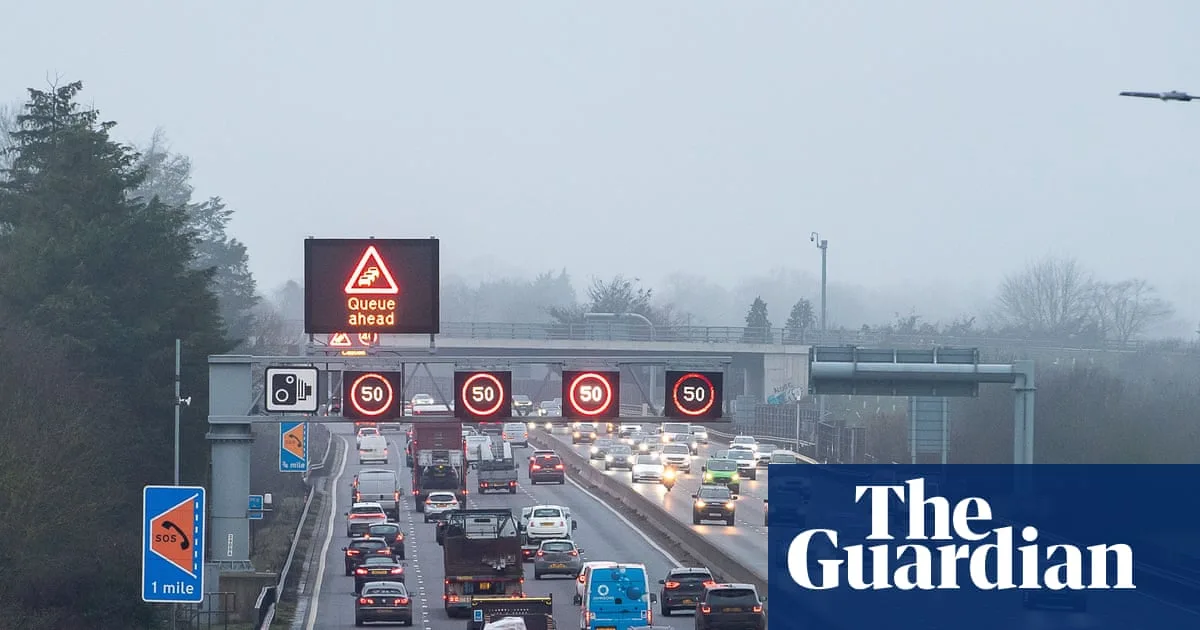
Slowing road traffic by up to 10mph (to around 50mph on motorways) is considered easily implementable via electronic signage. The IEA also proposed restricting private car access to cities, a measure used in Paris, Delhi, and Athens. While the UK's traffic camera network provides enforcement capability, such a scheme could be politically contentious, given Labour's distancing from London's Ultra Low Emission Zone (Ulez).
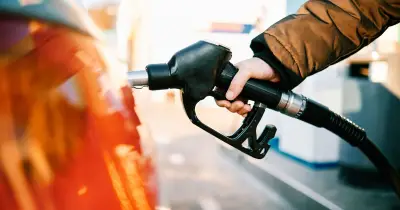
Petrol prices have already risen 9% since the conflict began, and diesel 17%, adding £6.40 to filling a family car with unleaded or £13 for diesel. The RAC warns further rises are inevitable, with unleaded likely reaching 150p per litre by Easter. DESNZ aims to avoid panic-buying, last seen in September 2021, and assures fuel production and imports continue as normal, with over half of UK crude oil imports coming from the US and Norway.