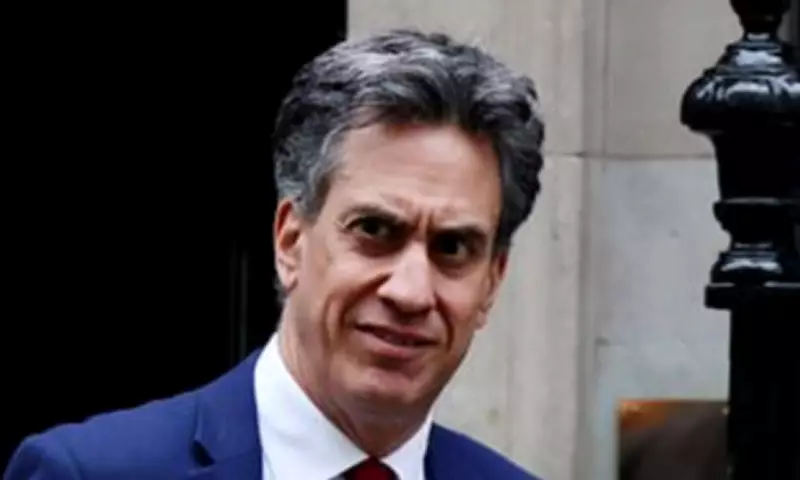
Miliband's Energy Bill Pledge Labelled a Deceptive Taxpayer Con
Ed Miliband is accused of taking the public for fools with his latest claims about reducing energy costs for millions of households. According to Shadow Energy Secretary Claire Coutinho, the Labour Party's approach is nothing more than a cynical sleight of hand, shifting expenses from energy bills directly onto taxpayers without genuinely lowering overall expenses.
Broken Promises and Rising Costs
During the election campaign, Miliband pledged to slash energy bills by £300. However, under Labour's watch, average annual bills have surged from £1,568 to £1,849, marking a significant increase that contradicts his initial assurances. Despite recent government adjustments to remove some costs, bills remain over £70 higher than at the time of the election, highlighting a persistent financial burden on families.
The reality is that Miliband has not reduced the cost of energy; instead, he has merely transferred a portion of the expense from household energy bills to tax bills. This manoeuvre, described as a con, relies on the hope that taxpayers will not notice the subtle shift in where their money is going. Essentially, consumers are still footing the bill, just through a different financial channel.

A National Embarrassment and Taxpayer Bailout
Miliband's unfulfilled £300 reduction promise has become a source of national embarrassment for the Labour Party. In response, they have turned to already struggling taxpayers for a £7 billion bailout, using public funds to artificially lower bills. Coutinho argues that this move is disingenuous, as it involves redistributing taxpayer money to multi-million-pound energy developers rather than implementing real cost-saving measures.
Miliband defends this strategy by claiming pride in funding it through taxes on the wealthiest individuals. However, critics point out that Labour has imposed tax hikes on a broad spectrum of groups, including pensioners, graduates, farmers, small businesses, pubs, and families on holiday. These increases, coupled with a jobs tax and frozen income tax thresholds, are placing additional strain on ordinary households across the country.
Economic Fallout and Net Zero Concerns
The economic impact extends beyond individual taxpayers, with businesses facing severe challenges. Factories are closing, jobs are moving abroad, and sectors like pubs, restaurants, and manufacturing report skyrocketing energy bills. Labour has offered no concrete plan to address these issues, exacerbating the struggle for many enterprises.
Furthermore, Miliband's commitment to Net Zero targets poses a significant risk, as experts warn it could drive bills back up to crisis-era levels. This potential spike threatens to undo any temporary relief and worsen the financial situation for both households and businesses.
Conservative Alternative: A Cheap Power Plan
In contrast, the Conservative Party prioritises making electricity affordable through their Cheap Power Plan. This initiative aims to cut energy bills for businesses and households by 20 per cent without imposing additional costs on taxpayers. Coutinho emphasises that this approach is essential for fostering a stronger economy, promoting growth, and improving living standards.
She calls on Miliband to support this plan if he genuinely seeks to alleviate financial pressures. As the Conservative MP for East Surrey and Shadow Energy Secretary, Coutinho underscores the need for transparent and effective policies that deliver real savings rather than deceptive financial shifts.