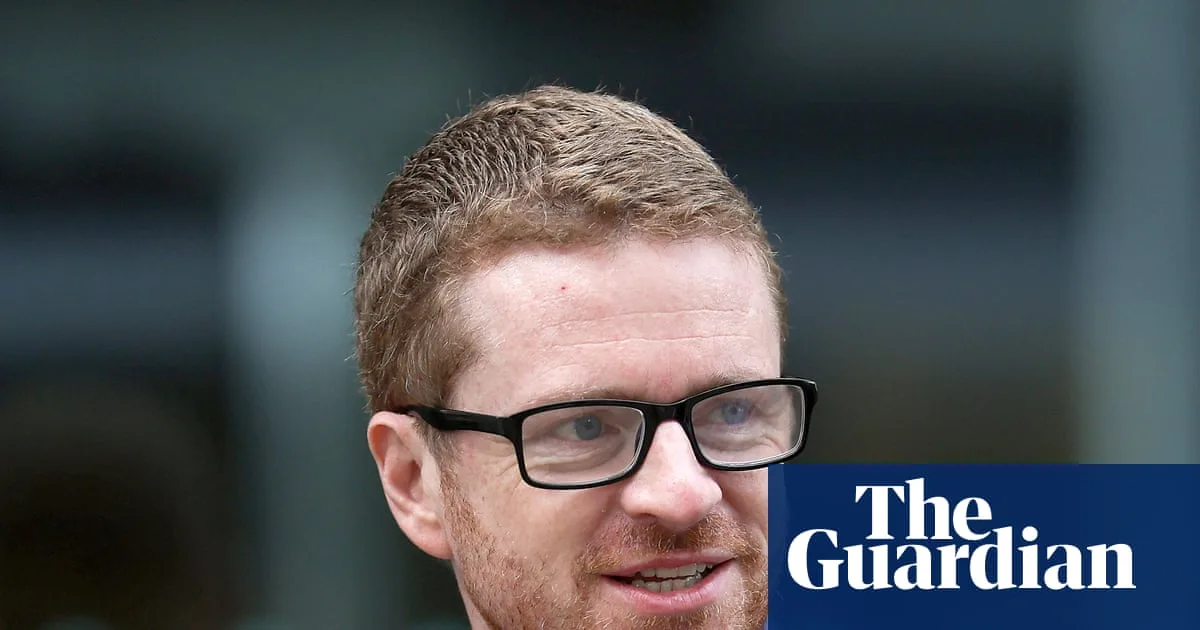
Morgan McSweeney Summoned Before MPs Over Mandelson Appointment Row
Morgan McSweeney, the former chief of staff to Prime Minister Sir Keir Starmer, has been formally summoned to give evidence before the influential Foreign Affairs Committee next Tuesday. This parliamentary appearance comes directly amid the escalating controversy surrounding the security vetting of Lord Peter Mandelson for the prestigious role of US ambassador.
Resignation and Revelations
Mr McSweeney, widely regarded as a political protege of Lord Mandelson, resigned from his Downing Street position in February. His departure was directly linked to his involvement in the peer's controversial appointment process. The scandal deepened last week when Cat Little, the most senior Cabinet Office civil servant, revealed to the Prime Minister that she had discovered Lord Mandelson was granted high-level security clearance for the Washington posting. This approval was granted despite explicit recommendations against it from vetting officials.
Ms Little is scheduled to appear before the committee on Thursday morning, setting the stage for Mr McSweeney's testimony days later. Their summons follows the dramatic evidence given by former Foreign Office chief Sir Olly Robbins, who was sacked by Sir Keir last week for failing to disclose the full details of the vetting decision to him.
Committee Investigation Intensifies
Dame Emily Thornberry, chairwoman of the Foreign Affairs Committee, confirmed the expanded witness list on social media. "Following Sir Olly's evidence, the Foreign Affairs Committee has today requested that Cat Little, Ian Collard, Sir Philip Barton and Morgan McSweeney attend and give evidence," she stated, specifying the upcoming appearances.
At Prime Minister's Questions on Wednesday, Sir Keir Starmer forcefully defended his position. He insisted that Sir Olly Robbins's testimony had exonerated him from accusations of misleading MPs over the appointment. "The mandarin's testimony puts to bed all the allegations levelled at me by those opposite in relation to dishonesty," the Prime Minister declared to the House of Commons.
Opposition Calls for Resignation
Opposition party leaders have maintained intense pressure, calling for Sir Keir to resign. They argue that news of Lord Mandelson being cleared against security advice appears to directly contradict the Prime Minister's previous assurances that due process was strictly followed. Kemi Badenoch, speaking for the opposition, stated in the Commons: "The Prime Minister did not follow the process the Cabinet Secretary set out in November 2024, he knows he did not follow due process, yet he told the House he had."
She continued, "Everyone knows the price of misleading the House. Will the Prime Minister finally take responsibility and go?" Sir Keir defended his decision to dismiss Sir Olly Robbins, asserting that the former Foreign Office chief should have informed him about the "red flags" raised by the UK Security Vetting agency.
Cabinet Tensions and Further Allegations
The political fallout has exposed tensions within the government. Work and Pensions Secretary Pat McFadden, a close ally of the Prime Minister, repeatedly declined to state whether Sir Olly's sacking was fair during a radio interview. "I think if the Prime Minister's made the judgment that he's not got confidence in the head of the Foreign Office, the head of the foreign service, then it's difficult to continue," Mr McFadden told Times Radio, offering support but not an endorsement of the decision's fairness.
During the same PMQs session, Sir Keir faced further scrutiny over claims that Downing Street had considered offering a diplomatic role to his former communications chief, Lord Matthew Doyle. The Prime Minister did not deny that conversations had taken place, stating, "There are often conversations about other roles when staff leave jobs in any organisation." Lord Doyle had the Labour whip withdrawn earlier this year following a separate controversy.
The upcoming committee hearings promise to shed more light on the chain of command and decision-making that led to Lord Mandelson's contested appointment, with Morgan McSweeney's testimony positioned as a critical moment in this ongoing political storm.