MPs have called for legal protections currently proposed for soldiers serving abroad to be extended to Northern Ireland veterans. During a Commons debate on Monday, Conservative MP Damien Moore argued that the government has failed in its 'sacred duty' towards veterans who are 'living in fear' of endless investigations.
The government last week announced stronger legal protections for soldiers accused of crimes during overseas combat operations, including a presumption against prosecutions for incidents over ten years old. However, reports suggest Downing Street has vetoed similar provisions for Northern Ireland.
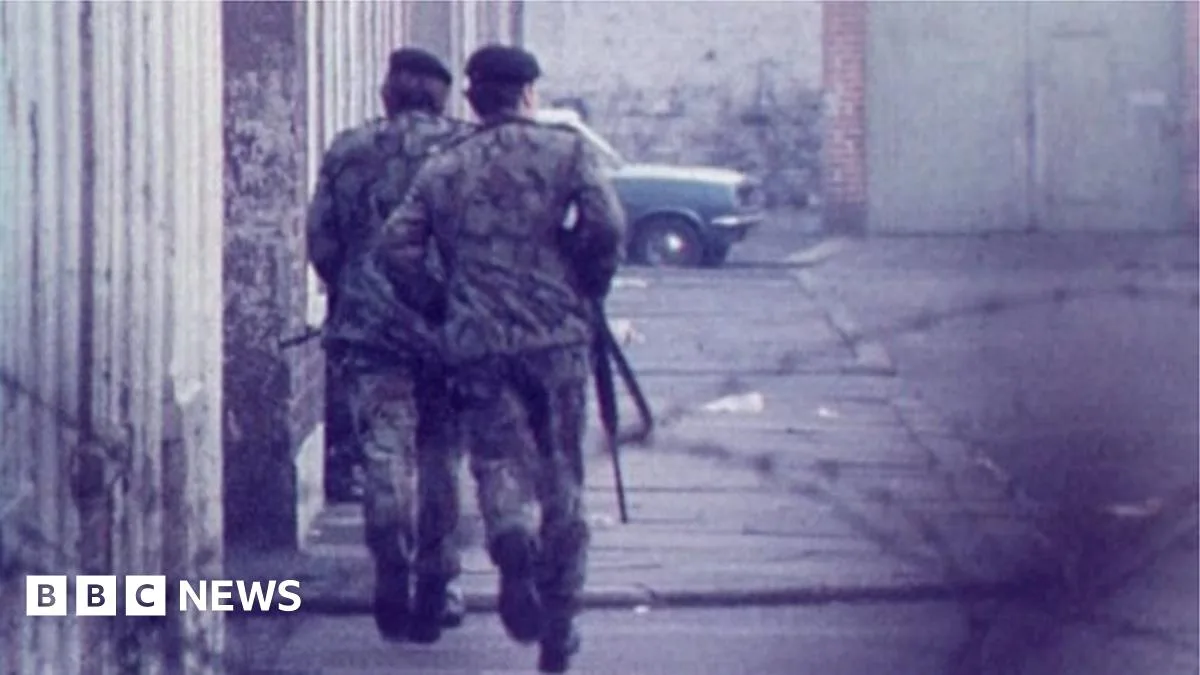
Moore urged ministers to include all those who served under Operation Banner from the late 1960s to the 2000s, saying: 'Enough with the hesitation... it is now our duty to put an end to any wavering and decisively take proactive action.' Labour MPs Luke Pollard and Ruth Smeeth echoed concerns, with Smeeth describing veterans in their 70s who are 'too scared to open' letters from the Ministry of Defence.

Defence minister Tobias Ellwood acknowledged legacy cases had not been handled well but stressed the government must act within the law. He noted that any amnesty for soldiers would have to apply equally to paramilitaries under investigation. The Northern Ireland Office has previously stated that no one can be immune from prosecution where evidence of wrongdoing exists.
The debate follows a petition with over 146,000 signatures calling for an end to prosecutions of military personnel for their work in Northern Ireland. Six former soldiers currently face prosecution over Troubles-era killings, including Soldier F charged with murder over the Bloody Sunday deaths of James Wray and William McKinney.