Labour Faces Internal Conflict Over Andy Burnham's Potential Commons Return
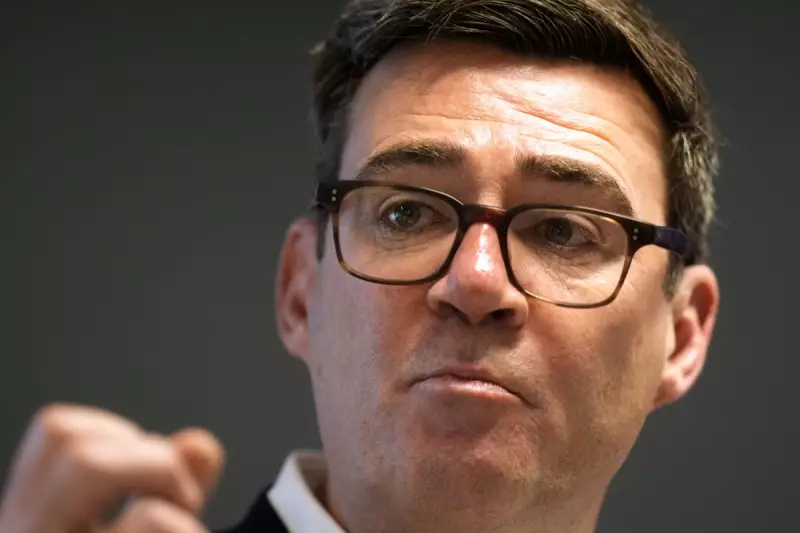
The Labour Party is embroiled in a significant internal conflict as the deadline approaches for Andy Burnham to declare his intention to return to Westminster. Speculation has intensified this week that the Mayor of Greater Manchester is considering a parliamentary comeback following the resignation of suspended Labour MP Andrew Gwynne from his Gorton and Denton seat.
Leadership Challenge Fears and Party Division
There are longstanding concerns within Labour that any return by Mr Burnham could position him as a direct challenger to Sir Keir Starmer for the party leadership. This anxiety comes at a particularly vulnerable time for Labour, with the party's popularity declining and Reform UK gaining ground in recent opinion polls. Multiple Labour MPs have privately warned that the Prime Minister could face a leadership vote even if he attempts to block Mr Burnham's candidacy through procedural means.
NEC Deadline and Procedural Hurdles
As a sitting Labour mayor, Mr Burnham faces a strict procedural requirement: he must apply to the party's powerful National Executive Committee (NEC) for permission to stand in the upcoming by-election. The NEC, whose membership includes numerous Starmer loyalists, has until 5pm on Saturday to receive his application. This procedural mechanism has become a focal point for the party's internal tensions, with supporters of Mr Burnham warning that any attempt to use the NEC to block his candidacy would be "outrageous" and demonstrate that "nasty factionalism" has taken precedence over electoral strategy.

Internal Criticism and Support
The situation has revealed deep divisions within Labour ranks. One Labour MP told The Independent that any attempt to "stitch-up" the selection process to exclude Mr Burnham would "damage the party hugely in the north and across the country" and provoke "a huge backlash" among parliamentary colleagues, party members, trade unions, and voters. The MP warned starkly that such a move would "seal Keir Starmer's fate" regardless of its outcome.
However, criticism of Mr Burnham's potential move comes from multiple directions. Even MPs who have been highly critical of Sir Keir's leadership have expressed frustration with the Manchester mayor's actions, with one describing his behaviour as "craven and the worst kind of politics" motivated by a desire to remain "the centre of attention."
Key Figures Weigh In
In a significant intervention, deputy Labour leader Lucy Powell stated that the decision about whether Mr Burnham should stand "should be up to Andy and the local members." Speaking at the Fabian Society's annual conference, the Manchester MP emphasized that she wanted to see "the very best candidate" selected to help Labour win the by-election, describing Mr Burnham as "incredibly popular" in her region for "really changing our city for the better."
Meanwhile, Labour MP Richard Burgon publicly expressed support for Mr Burnham's potential candidacy, tweeting that "everyone knows Andy Burnham would have the best chance of beating Reform in Gorton and Denton." He argued that manipulating the selection process to exclude him would constitute "an affront to party democracy" and signal that internal factionalism had become more important than countering Nigel Farage's Reform UK.
Historical Context and Ongoing Tensions
This episode represents the latest chapter in the long-running tension between Mr Burnham and the Labour leadership. In September, following previous speculation about a potential parliamentary return, the mayor criticised those demanding "simplistic statements of loyalty" to the Prime Minister, warning they were underestimating "the peril" facing the Labour Party. His supporters argue that his popularity in northern constituencies makes him uniquely positioned to counter Reform UK's growing influence, while critics question his commitment and timing.
The coming hours will prove crucial as the NEC deadline approaches, with the outcome likely to have significant implications for Labour's internal cohesion, electoral strategy, and leadership dynamics ahead of the critical by-election contest.