Federal Judge Orders Congressional Approval for Trump's White House Ballroom
A federal judge has issued a significant ruling that former President Donald Trump must obtain explicit congressional authorization before proceeding with his proposed $400 million White House ballroom construction project. The decision, delivered by District Judge Richard Leon, asserts that the White House is federal property, and Congress holds constitutional authority over its use and construction, irrespective of the funding source.
Trump's Public Disagreement and Legal Appeal
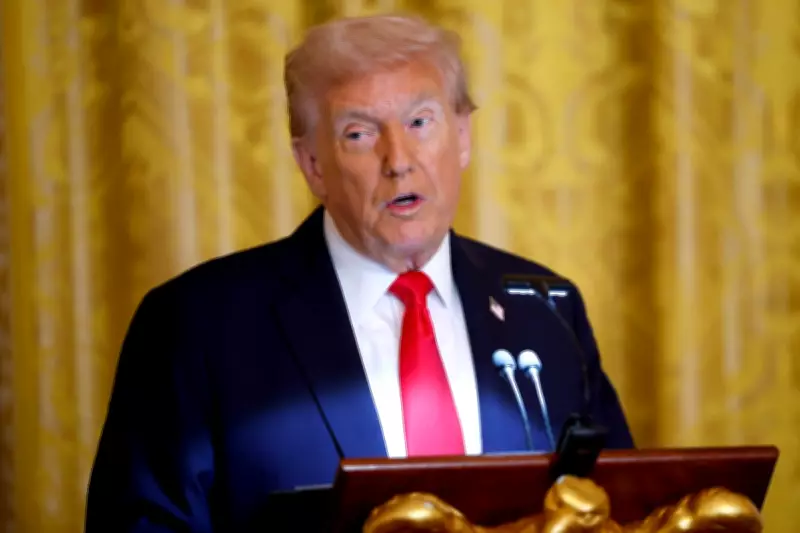
Donald Trump has publicly contested the judge's order, arguing that congressional approval is unnecessary for White House construction, especially since the project is privately funded. Despite his claims, the administration has formally appealed Judge Leon's ruling, setting the stage for a protracted legal battle over the interpretation of federal property regulations and executive authority.
Congressional Reluctance and Political Implications
Republican leaders in Congress have shown no immediate plans to greenlight the project, with numerous lawmakers and aides expressing a distinct reluctance to engage with the controversial topic. This hesitation underscores the political sensitivities surrounding Trump's initiatives and the broader implications for congressional oversight of federal property.

National Capital Planning Commission's Expected Approval
In a contrasting development, the National Capital Planning Commission is anticipated to approve Trump's ballroom plans despite the ongoing legal challenge. This potential approval highlights the complex interplay between regulatory bodies and judicial decisions, adding another layer of complexity to the project's future.
Broader Constitutional and Funding Questions
The ruling raises fundamental questions about the constitutional limits of private funding for federal property projects and the extent of congressional authority. As the legal appeal progresses, stakeholders are closely monitoring how this case might set precedents for future construction and renovation efforts involving federal buildings.
The standoff between Trump, the judiciary, and Congress continues to evolve, with significant implications for governance, property rights, and political dynamics in Washington.