Irish Government to Approve Fuel Crisis Package as Gardai Clear Nationwide Blockades
The Irish Cabinet is poised to hold an emergency meeting on Sunday afternoon to sign off on a substantial package of measures aimed at resolving the escalating fuel crisis. This critical decision follows a series of late-night police operations that successfully cleared blockades from Dublin's main thoroughfares, as well as key sites in Cork and Galway.
Nationwide Protests Strangle Fuel Distribution
Protests, largely orchestrated by hauliers, farmers, and agricultural workers, began on Tuesday with coordinated actions including slow-moving convoys and outright stoppages on major motorways. Participants blockaded critical infrastructure such as Ireland's only oil refinery at Whitegate in County Cork and essential fuel depots, severely restricting fuel distribution across the country.
These disruptions led to significant fuel shortages, with Fuels for Ireland chief executive Kevin McPartlan reporting that approximately 600 of the Republic's 1,500 filling stations had run dry by Saturday morning. He warned this number would increase dramatically if blockades persisted.

Gardai Escalate Enforcement Actions
An Garda Siochana responded with enhanced enforcement, clearing the Whitegate refinery blockade around lunchtime on Saturday after physical clashes where pepper spray was deployed. Similar actions were taken at Galway harbour, where hundreds of protesters gathered in pouring rain, and in Dublin, where an overnight operation on O'Connell Street removed illegally parked vehicles.
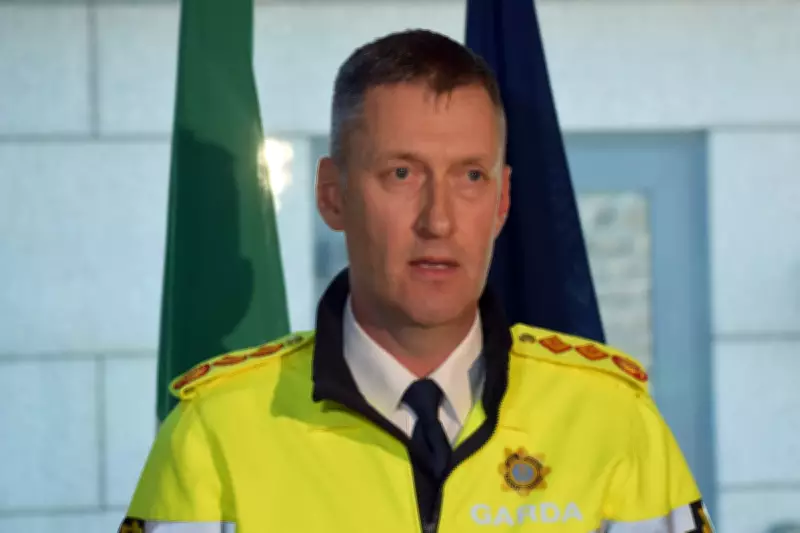
Garda Commissioner Justin Kelly condemned the blockades, stating they "are not a legitimate form of protest" and endangered the state by impacting emergency services, businesses, and the public. He emphasized that fair warnings were given before enforcement actions, which included deploying Public Order Units with protective gear and batons.
Government Engagements and Proposed Measures
While protesters' demands for direct meetings with the Government were not met, relevant ministers held talks with established national representative bodies on Friday and Saturday. These discussions concluded with a provisional agreement on a "substantial" package featuring a temporary fuel transport support scheme and temporary fuel support.
It is understood the transport scheme will involve direct payments to businesses affected by high fuel costs. Irish Road Haulage Association president Ger Hyland noted there were "the bones of an agreement" with the Government, expressing hope the package would be finalized by Sunday morning.
Ongoing Challenges and Regional Implications
Despite the proposed measures, protests continued into Sunday morning, with spokesmen urging urgent government action to reduce unsustainable fuel costs they claim threaten livelihoods. The timing is critical, as the return of schools on Monday is expected to increase pressure on road networks.
In Northern Ireland, police are assessing social media posts calling for similar protests, with a PSNI spokeswoman confirming a prepared policing response to ensure public safety and minimize disruption. Meanwhile, a small number of Defence Forces personnel with heavy-lift recovery trucks remain on standby to assist Gardai if needed.
The situation remains fluid, with the Cabinet's approval of the fuel-cost package seen as a pivotal step toward restoring normalcy and addressing the grievances that sparked this widespread civil unrest.