Iceland Boss Urges Ministers to Extend 5p Fuel Duty Cut Amid Iran War Crisis
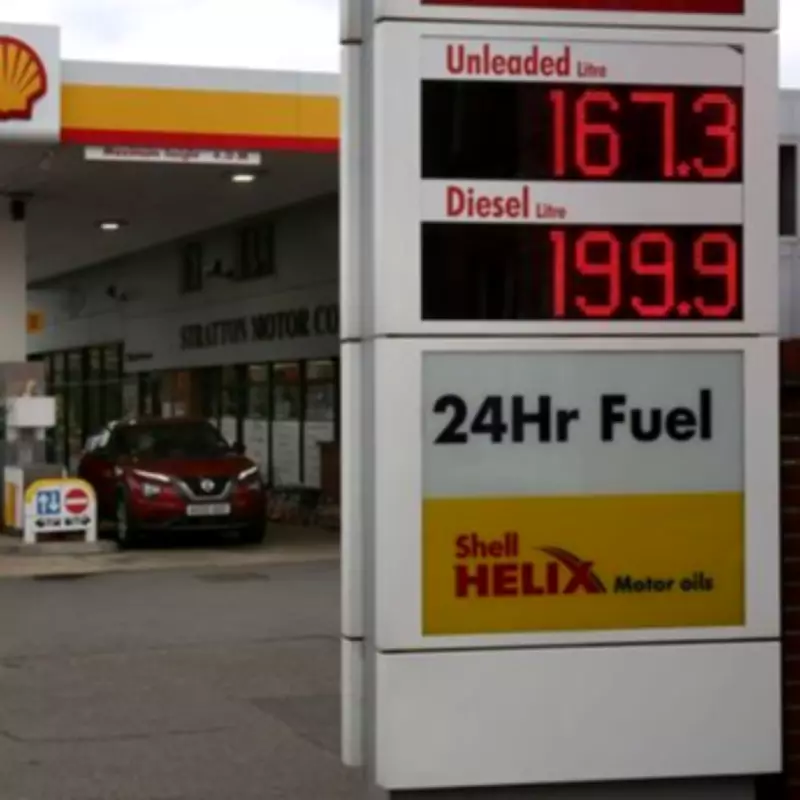
Keir Starmer's cost of living champion, Lord Richard Walker, has publicly called for the government to consider extending or even increasing the 5p per litre fuel duty cut as the Middle East crisis intensifies. The intervention from the Iceland boss is expected to pile significant pressure on ministers to act, following a sharp rise in pump prices attributed to the ongoing Iran war.
Fuel Duty Cut Set to Expire in September
Chancellor Rachel Reeves previously extended the 5p per litre cut in fuel duty, which was originally introduced after Russia's invasion of Ukraine in 2022, at last year's Budget until August 2026. However, this measure is scheduled to expire in September and will be gradually phased out by March 2027. Lord Walker emphasised the urgency of the situation during an interview on BBC Radio 4's Today programme on Friday.
"The 5p fuel duty cut that you allude to is an interesting one. That's going to expire in September. I think given where we are, we do need to be thinking and talking about extending it or enlarging it," Lord Walker stated. He further highlighted international comparisons, noting, "Interestingly, the Australian government, I was reading, have recently taken 14p per litre cut to their fuel tax. I mean that this cut is 5p."

Support for Tory Peer's Position on Tax Adjustments
Lord Walker was also questioned about comments from Tory peer Lord Simon Wolfson, who argued that the Treasury must avoid profiting from the Iran war. Lord Wolfson suggested that adjusting fuel duty could help businesses and consumers by easing immediate cost pressures, ensuring the tax take remains stable rather than increasing due to spiking prices.
In response, Labour peer Lord Walker expressed agreement, saying, "Lord Wolfson is a great guy and very intelligent, and he might have a point there." This bipartisan concern underscores the growing political focus on mitigating the economic impact of the conflict.
Government Response and Economic Context
Prime Minister and Chancellor have indicated that the situation is under continuous review amid the escalating US-Israeli war with Tehran and the effective closure of the Strait of Hormuz, a critical global oil shipping route. Earlier this week, Ms Reeves insisted the government is preparing for "all eventualities" to support the public.
"We are monitoring very closely what's happening - trying to bring the oil and gas into the UK so that those supplies are there and get the prices down. We are monitoring the situation very carefully. We are preparing - as you would expect me to be - for every single eventuality to make sure there alongside people, standing beside them, keeping costs down for everyone," Ms Reeves affirmed.
Dismissal of Tax Windfall Claims
Ms Reeves also dismissed notions of a "tax windfall" for the Treasury due to rising pump prices as "for the birds." This follows reports that the government is collecting an estimated extra £20 million daily in revenue from taxes linked to oil and gas prices. However, the Chancellor pointed out that increased government borrowing costs have offset any potential gains.
"Let's be clear since Trump started this war cost which we disagree with the cost of borrowing for government has gone through the roof. The revenues were likely to get through on income tax and capital gains tax are likely to come down because the economy is likely to be weaker. So the idea there's any windfall coming to the Treasury - that's just for the birds," Ms Reeves explained, highlighting the broader economic challenges posed by the conflict.