

House Rejects Resolution to Block Trump's Venezuela Military Deployment
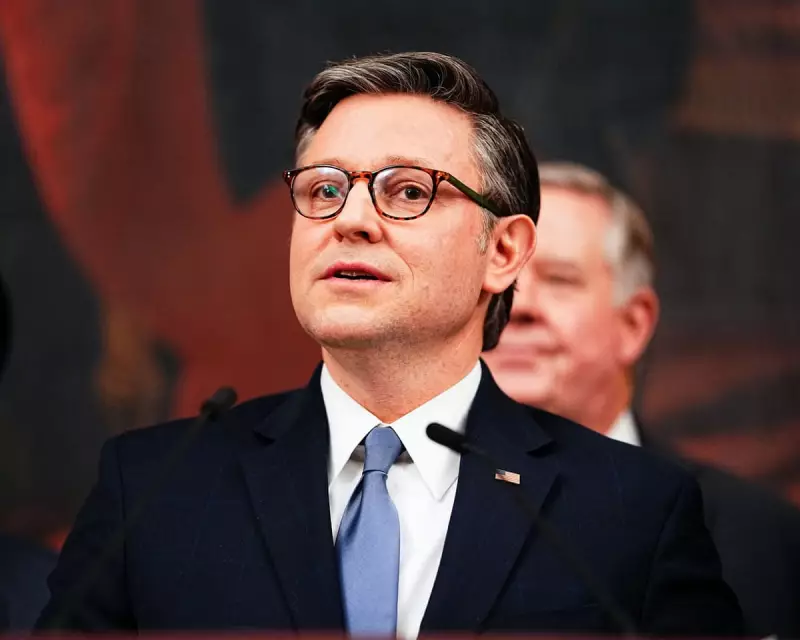
The US House of Representatives has narrowly rejected a Democratic-backed resolution that would have prevented former President Donald Trump from deploying US military forces to Venezuela. The vote, which fell just short of the majority needed for passage, underscores House Speaker Mike Johnson's tenuous hold on the Republican majority and reveals growing pushback within Congress against presidential military actions in the Western Hemisphere.
Tied Vote Highlights Fragile Republican Control
In a dramatic display on Capitol Hill, the vote on the war powers resolution ended in a tie, forcing Republican leaders to keep the voting process open for over twenty minutes. This procedural delay allowed Republican Congressman Wesley Hunt, who had been campaigning in Texas for a Senate seat, to rush back to Washington DC and cast the decisive vote against the measure. The extended voting period prompted loud protests from Democratic lawmakers, who accused Republican leaders of violating House procedural rules.
Only two Republicans – Don Bacon of Nebraska and Thomas Massie of Kentucky – broke ranks to vote with all Democrats in favour of the legislation. This division within Republican ranks signals some internal dissent against Trump's aggressive foreign policy stance, even as the party leadership rallied to defeat the resolution.

War Powers Debate Reignited
The rejected resolution would have directed Trump to remove any US troops from Venezuela and required congressional approval before launching major military operations in the country. This legislative effort comes in response to a recent surprise nighttime raid in which US troops captured Venezuelan President Nicolás Maduro, an operation that Congress claims was conducted without proper notification or consultation.
Democratic lawmakers argued strenuously that Congress must assert its constitutional role in determining when the president can exercise wartime powers. "Donald Trump is reducing the United States to a regional bully with fewer allies and more enemies," declared Gregory Meeks, the top Democrat on the House Foreign Affairs Committee, during floor debates.
Administration Defense and Republican Criticism
The Trump administration has maintained that there are currently no US troops on the ground in Venezuela and has committed to seeking congressional approval before initiating significant military operations. However, this assurance has done little to quell Democratic concerns about presidential overreach.
Republican leaders countered that Democrats were bringing the war powers resolution to a vote out of "spite" for Trump. Brian Mast, Republican chair of the House Armed Services Committee, led this criticism, arguing that the measure was politically motivated rather than substantively necessary.
Broader Implications for Presidential Power
Thursday's vote represents the latest congressional test of how much latitude Republicans will grant a president who campaigned on withdrawing the US from foreign entanglements but has increasingly turned to military options to advance his agenda. So far, nearly all Republicans have declined to impose checks on Trump through war powers votes, though some like Don Bacon have expressed frustration with the administration's aggressive foreign policy approach.
"I'm tired of all the threats," Bacon stated after voting for the resolution, despite its specific application only to Venezuela. This sentiment reflects broader concerns among some Republicans about Trump's recent military actions and threats, which have included controversial statements about acquiring Greenland over Danish objections.
Senate Parallels and Future Outlook
The House vote follows similar contentious proceedings in the Senate, where a comparable Venezuela war powers resolution was tied last week until Senator JD Vance broke the deadlock. In that chamber, Senate Republicans only narrowly dismissed the measure after the Trump administration persuaded two Republicans to withdraw their earlier support.

These legislative battles have reignited decades-old debates about the War Powers Act, originally enacted during the Vietnam War era to check presidential military authority. As Trump continues to ramp up his campaign against Maduro and sets his sights on other international conflicts, Democrats have vowed to continue forcing votes in both chambers to assert congressional oversight of military deployments.
The rejection of this resolution demonstrates both the continued Republican support for Trump's foreign policy initiatives and the fragile coalition that Speaker Johnson must maintain to control the House agenda. With narrow majorities and internal divisions, future votes on presidential war powers are likely to remain closely contested and politically charged.





