Green Party Proposes Legalising Class A Drugs Including Cocaine and Heroin
Greens Want Cocaine, Heroin Legalised for Recreational Use

Green Party Advocates for Legalisation of Hard Drugs Including Cocaine and Heroin

The Green Party has unveiled controversial internal policy proposals advocating for the legalisation of Class A drugs such as crack cocaine, heroin, and ecstasy for recreational purposes. According to documents obtained by the Mail, the party argues that these substances "enhance human relationships and human creativity" and that adults should be free to make informed decisions about their drug consumption.

Radical Plans for Drug Supply and Education

The policy outlines a series of radical measures, including establishing a "direct partnership" between the UK government and South American drug cartels to ensure a "sustainable supply of coca and cocaine" to Britain. Additionally, the Greens propose introducing cocaine-based drinks to high streets and selling drugs like MDMA and psychedelics at nightclubs and music festivals.

In a move that has sparked outrage, the policy suggests that children, starting in primary school, should be taught how to take drugs safely as part of Personal, Social and Health Education (PHSE) lessons. The aim is to "enhance the safety of all who use drugs," according to the document.

Contrast with Crackdown on Alcohol and Tobacco

Interestingly, while pushing for drug legalisation, the Green Party simultaneously proposes a crackdown on alcohol and tobacco. The policy calls for increased taxes on beer and cigarettes to "reflect the cost of harm caused by alcohol use on society." This dual approach highlights the party's focus on harm reduction, albeit through controversial means.

The policy also includes more conventional proposals, such as increasing funding for drug treatment centres. However, it goes further by suggesting the legalisation of ketamine, MDMA, and even the date-rape drug GHB. The Greens plan to grant licences for "not-for-profit cooperative" Cannabis Social Clubs and make crack cocaine and methamphetamine available on NHS prescription.

Political Backlash and By-Election Context

Labour has strongly condemned the proposals, with a spokesperson claiming that "Zack Polanski's blueprint for a drug-ridden Britain would turn children's playgrounds into crack dens." Crime and Policing Minister Sarah Jones echoed these concerns, warning that the policy would "unleash a drugs epidemic across Britain" leading to increased anti-social behaviour and public drug use.

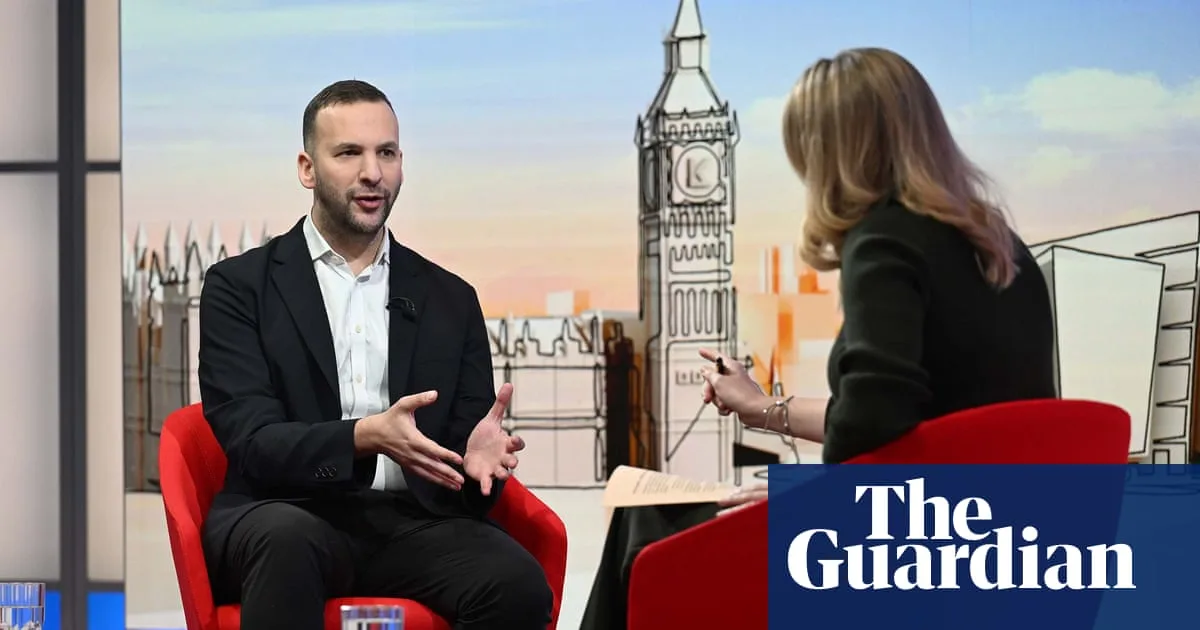
Green Party leader Zack Polanski has hit back, labelling Labour's criticisms as "desperate lies from a desperate Labour Party that knows it's about to lose" in the upcoming Gorton and Denton by-election in Greater Manchester. A recent poll by Omnisis shows the Greens leading with 22% support, ahead of Reform UK at 20% and Labour at 18%, though 27% of respondents remain undecided.

Polanski defended the party's stance, stating that the Greens have a "specific manifesto commitment to preventing children accessing drugs" and called for a national commission on drugs to reduce harm. A Green source clarified that the drug policy differs from the costed manifesto but acknowledged it as a "long-standing policy and aim" of the party.

The debate comes amid a tense political climate, with the Greens gaining traction in some areas despite criticism over their unconventional policies. As the by-election approaches, these proposals are likely to remain a focal point of discussion, highlighting deep divisions in approaches to drug policy and public safety.