

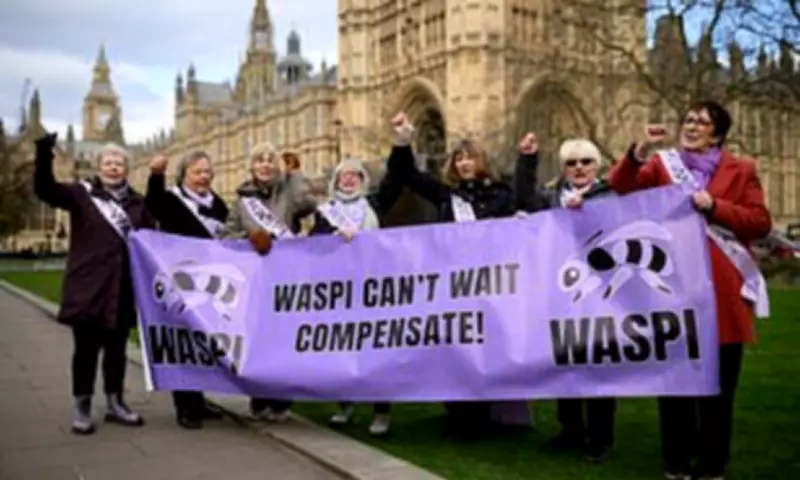
Ministers have delivered another crushing blow to the hopes of women born in the 1950s, often referred to as the 'Waspi' generation, by definitively ruling out any form of compensation package. In a statement today, Work and Pensions Secretary Pat McFadden announced that a comprehensive government review had concluded that financial payouts were not required, despite acknowledging ongoing concerns about the handling of state pension age increases.
Review Confirms Government Position on Compensation
Mr McFadden stated that while there were legitimate questions surrounding whether the state pension age should have been raised, the core issue remained whether there was evidence of maladministration that warranted compensation. The government has come to the same conclusion as was announced in 2024, he confirmed, effectively closing the door on years of campaigning by affected women who argue they were not properly informed about the changes, leaving their retirement plans in disarray.
Labour's Campaign Promises Versus Government Reality
This decision is set to ignite significant fury, particularly given the history of senior Labour figures, including Prime Minister Keir Starmer, who previously campaigned vigorously for a compensation package while in opposition. However, upon entering government and facing the stark reality of the multi-billion pound cost, estimated to reach up to £10.5 billion for a blanket scheme, the administration has backtracked.

The controversy stems from changes to the state pension age that impacted women born in the 1950s. They contend that insufficient communication from the Department for Work and Pensions left them with lower retirement income than anticipated. A pivotal moment came with the rediscovery of a 2007 DWP evaluation during court proceedings, which revealed that officials had ceased sending automatic pension forecast letters, a key point in their grievance.
Ombudsman's Findings and Government Response
A report by the Parliamentary and Health Service Ombudsman had previously suggested that compensation ranging between £1,000 and £2,950 per affected individual could be appropriate, citing issues with how the pension changes were communicated. In December 2024, the then-Work and Pensions Secretary Liz Kendall declared there would be no compensation, though the government did accept the Ombudsman's finding of maladministration and apologised for delays in correspondence.
When Mr McFadden took over the role, he admitted in November that the conclusion needed reviewing, offering a glimmer of hope to campaigners. However, he provided no guarantees that the review would lead to compensation being awarded, and today's announcement confirms that the financial burden on taxpayers cannot be justified, according to the government's assessment.
The Waspi women have been fighting for compensation for many years, with protests at Parliament highlighting their plight. This latest decision underscores the challenging balance between addressing historical grievances and managing public finances, leaving a generation of women without the redress they have long sought.






